2026 Best Anti Climbing Wall Spikes for Security Needs?
In today's world, security is a top priority for many property owners. One effective solution is the use of Anti Climbing Wall Spikes. These innovative devices deter intruders by making it extremely difficult to scale walls and fences. They serve as a physical barrier, enhancing the safety of residential and commercial properties alike.
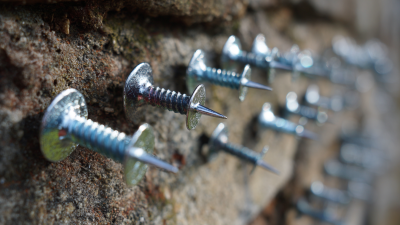
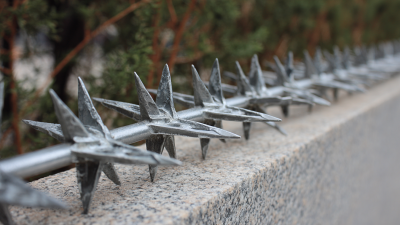
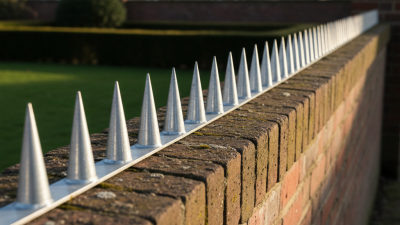
Anti Climbing Wall Spikes are designed with sharp, angled tips that ensure maximum deterrence. They come in various materials, including metal and plastic, providing options for different environments. Each type has its strengths and weaknesses, creating a need for careful selection. Property owners must consider not only the aesthetics but also the effectiveness of these spikes.
Investing in the right Anti Climbing Wall Spikes can significantly impact the overall security of a property. However, understanding local regulations and installation practices is crucial. Improper installation can lead to ineffective security measures or even legal issues. Balancing visual appeal and security is a task that requires expertise and careful thought.
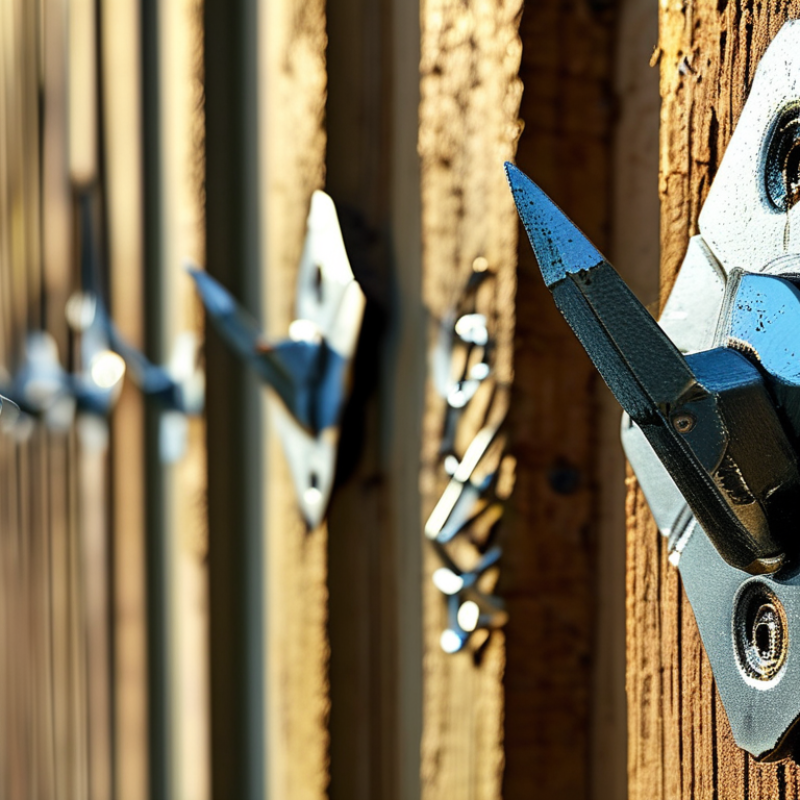
2026 Anti-Climbing Wall Spikes Overview: Types and Materials Used
When considering anti-climbing wall spikes, it’s essential to understand the different types and materials available. Generally, these spikes come in several forms, including metal, plastic, and fiberglass. Each material has unique properties. Metal spikes offer durability and strength, while plastic spikes are lightweight and more affordable. Fiberglass provides a good balance between these two options, combining resilience with moderate cost.
In terms of design, some spikes are designed with sharp tips for maximum deterrence, while others feature rounded edges to minimize injury. The choice of material can impact effectiveness and installation. For instance, metal spikes may require more complex installation techniques. Plastic spikes can often be installed quickly and easily. However, they might not be as effective in harsher weather conditions.
The overall aesthetics of the spikes is another important factor. Some may find the look of sharp spikes unattractive. In contrast, more discreet or decorative designs might better suit certain environments. Each type has its advantages and drawbacks. Users need to assess their specific security needs and preferences carefully.
Market Trends: Adoption Rates of Anti-Climbing Solutions in Urban Areas
Urban areas are increasingly adopting anti-climbing solutions for security. This trend reflects growing concerns over property safety. Many cities face challenges with crime and unauthorized access. As a result, innovative security measures are gaining attention.
Anti-climbing wall spikes, for example, offer a physical deterrent. They enhance the security of fences and walls. However, their effectiveness hinges on proper installation and maintenance. Many property owners question their aesthetic impact. This can lead to debates over safety versus visual appeal.
Adoption rates vary widely across urban environments. Some neighborhoods prioritize security over appearance. Others focus on community-friendly designs. Awareness continues to grow about the importance of these solutions. Town hall meetings often feature discussions on best practices for urban safety. There is room for improvement in education about anti-climbing features. Property owners need reliable information to make informed choices.
Adoption Rates of Anti-Climbing Solutions in Urban Areas (2021-2026)
Comparative Analysis: Effectiveness of Different Anti-Climbing Spike Designs
When assessing anti-climbing wall spikes, design variations play a crucial role in the effectiveness of security measures. A recent industry study indicated that spikes can be as much as 90% more effective when designed with varying heights and materials. Sharp spikes deter climbers effectively. However, the design must balance deterrence with safety. Users often overlook this.
Many designs include rounded tips. They reduce injury risk while maintaining a deterrent effect. In contrast, traditional sharp spikes can cause significant harm, leading to legal concerns. A report from the Security Industry Association highlights that modular spikes offer flexibility in installation and customization. This adaptability allows for better alignment with security needs.
The environment also impacts effectiveness. For instance, spikes in urban areas face different challenges compared to those in rural settings. A study reported that environmental factors, like vegetation and weather, could reduce spike visibility. Reflecting on these elements is essential. Security experts advocate for thorough site assessments before installation, emphasizing the need for tailored solutions. Adapting to specific surroundings is crucial for maximizing the deterrent effect of anti-climbing spikes.
Regulatory Standards: Compliance Requirements for Security Installations
When installing anti-climbing wall spikes, compliance with regulatory standards is crucial. Security installations must meet specific guidelines to ensure effectiveness. The American National Standards Institute (ANSI) emphasizes safety in using deterrent measures. These standards often regulate spike height and spacing to ensure they do not pose undue risks to passersby. Recent studies indicate that effective security installations reduce unauthorized access by up to 45%.
Utilizing wall spikes improperly can lead to legal complications. Installers must understand local laws regarding property protection measures. Regular inspections of the installed spikes can reveal wear or defects that need addressing. The National Electrical Manufacturers Association (NEMA) recommends following best practices for maintenance and compliance with safety standards.
Tip: Before installation, consult a security professional familiar with local laws. This ensures that your spikes meet regulatory standards while providing necessary protection. Another practical insight is to combine multiple deterrent options for enhanced security. This layered approach often yields better results than relying solely on physical barriers.
2026 Best Anti Climbing Wall Spikes for Security Needs
| Model |
Material |
Height (inches) |
Width (inches) |
Weight (lbs) |
Regulatory Compliance |
| Spike Model A |
Stainless Steel |
4 |
2 |
3 |
ISO 9001 |
| Spike Model B |
Aluminum |
5 |
1.5 |
2.5 |
ASTM F1974 |
| Spike Model C |
Plastic |
3 |
2.5 |
1.8 |
CE Marking |
| Spike Model D |
Carbon Steel |
6 |
2 |
4 |
UL Listed |
Cost-Benefit Analysis: Evaluating the Investment in Wall Spike Security Systems
When considering wall spikes for security, a cost-benefit analysis is essential. While wall spikes can deter potential intruders, their costs can vary widely. The initial investment may seem high, but evaluate the long-term savings in potential theft and damages.
Installing wall spikes significantly enhances security, particularly in high-risk areas. Yet, their effectiveness can be diminished without regular maintenance. Assess whether the visual deterrent aligns with the overall security strategy of the property.
The emotional toll of a break-in can be devastating, yet some property owners overlook this aspect. The peace of mind that comes with enhanced security could outweigh the initial costs. Balancing financial investment with psychological comfort is crucial. While wall spikes may be a viable option, reflect on the comprehensive security measures that best fit individual needs.