2026 Best Livestock Field Farm Fence Options for Global Buyers?
When managing livestock, choosing the right Livestock Field Farm Fence is crucial for success. A strong fence protects your animals and fosters their well-being. It also helps maintain the integrity of your farm. With so many options available, making an informed decision can be challenging.
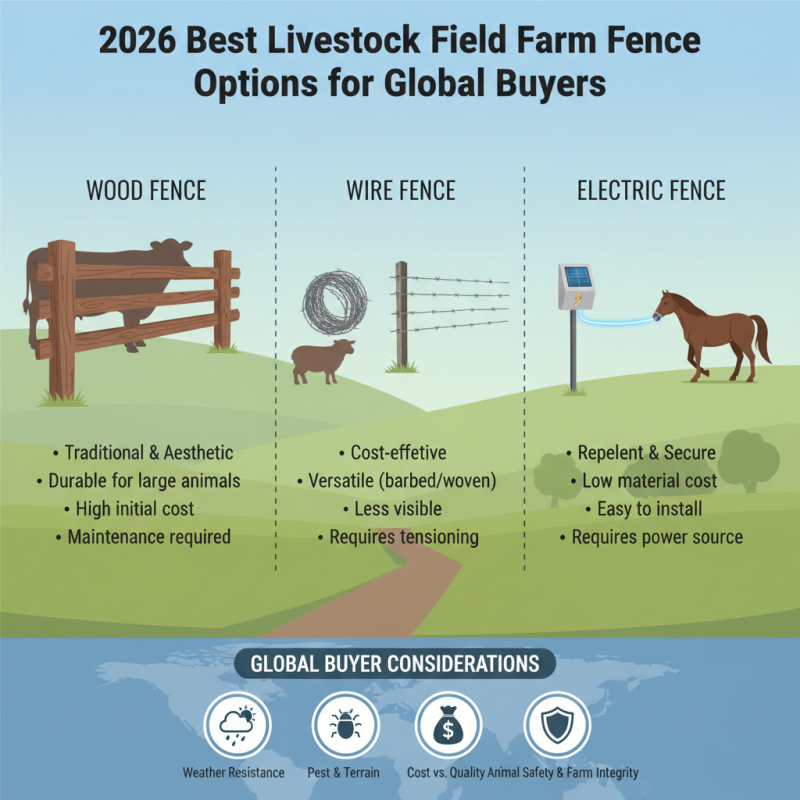
Different materials offer various benefits. Wood, wire, and electric options each serve unique purposes. Your choice should reflect your specific needs, such as the type of livestock and the terrain of your farm. Many buyers overlook these details, leading to unsatisfactory outcomes.
Investing time in understanding your choices will pay off. Assessing your farm's environment is vital. A reliable fence should withstand weather, pests, and other external threats. Striking a balance between cost and quality often requires careful consideration. Choosing the right Livestock Field Farm Fence ensures the safety and productivity of your farm, though it's not always straightforward. Reflect on your priorities and make a choice that aligns with your long-term goals.
2026 Overview of Livestock Farming and Fencing Needs
When considering livestock farming, the right fencing is crucial. A well-maintained fence ensures the safety of animals. It reduces the risk of escapes and protects against predators. Different types of fences are available, each with unique features. Assessing your specific needs is essential for finding the best option.
For effective fencing, consider the terrain and animal type. Electric fences may deter curious livestock, while wooden fences provide a sturdy barrier. Testing the fence's durability is wise. Regular maintenance can prevent unexpected failures. An ongoing evaluation of the fence’s condition helps ensure reliability.
**Tips**: Choose materials that withstand weather changes. Observe your livestock’s behavior to identify weaknesses in your fencing. Regular checks can save you from costly repairs.
2026 Best Livestock Field Farm Fence Options for Global Buyers
| Fence Type |
Material |
Durability (Years) |
Height (Feet) |
Cost per Foot (USD) |
Best For |
| Barbed Wire |
Steel |
10-20 |
4-5 |
0.10 |
Cattle, Sheep |
| Electric Fence |
Plastic/Metal |
5-15 |
3-5 |
0.50 |
Pigs, Goats |
| Wooden Fence |
Wood |
10-25 |
4-6 |
2.00 |
Horses, Cattle |
| Vinyl Fence |
PVC |
20-30 |
4-5 |
3.00 |
Ornamental, Light Livestock |
| Chain Link Fence |
Galvanized Steel |
15-25 |
4-6 |
1.50 |
Small Animals, Security |
Key Factors Influencing Fence Selection for Livestock
Choosing the right fence for livestock is crucial. Several key factors influence this decision. Understanding your specific needs is essential. Factors such as the type of livestock, terrain, and climate will dictate your choices.
Material selection is one area that requires careful thought. Wooden fences offer aesthetics but may require frequent maintenance. Barbed wire can be effective but may not be suitable for all animals, especially those prone to injury. Additionally, electric fencing is gaining popularity. It’s effective but may lead to unexpected challenges, like power outages.
The height of the fence is another significant consideration. Taller fences may deter larger animals such as horses and cattle, while lower fences might work for smaller livestock. Availability of local resources can also impact your choice. Some regions lack certain materials, affecting overall costs and durability. Each option comes with its own set of pros and cons, requiring reflection and planning.
Types of Fencing Materials: Pros and Cons for Global Buyers
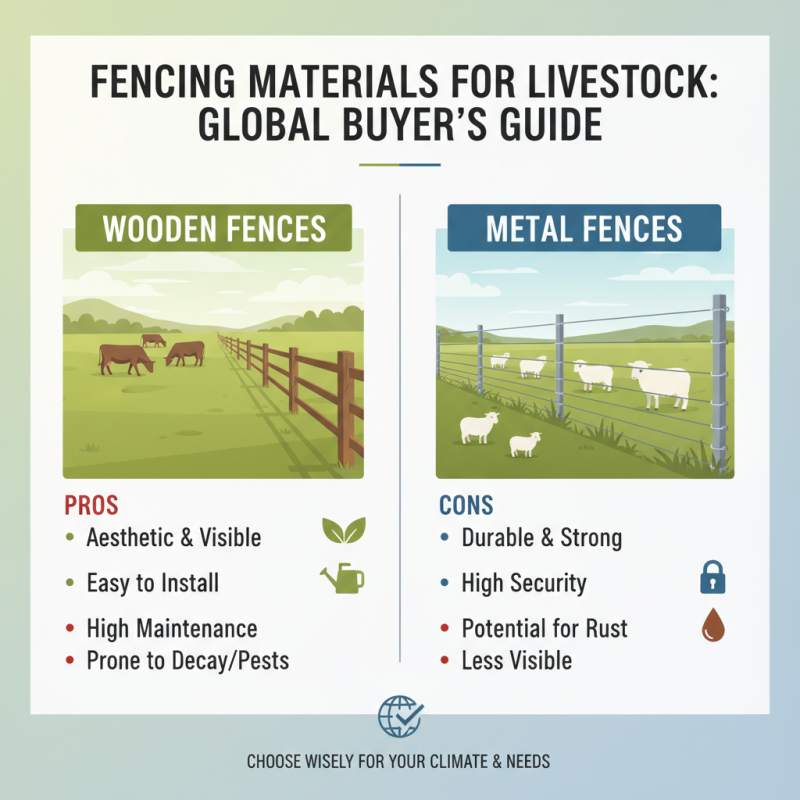
Choosing the right fencing material for livestock is crucial for farm management. Different materials come with distinct advantages and disadvantages. Wooden fences are aesthetically pleasing and provide good visibility. However, they require regular maintenance and can decay over time. On the other hand, metal fencing is durable and offers strong security. Yet, it may be prone to rust in certain climates.
Electric fences are gaining popularity among farmers. They are highly effective in controlling livestock movement. An electric fence can prevent animals from escaping. However, they require a power source, which can be a constraint in remote areas. Barbed wire is another common option. It is cost-effective and easy to install. Still, barbed wire can injure animals if not handled carefully. Assessing the specific needs of your farm can help narrow down the best options. Different climates and terrains may require unique considerations.
Installation and Maintenance Considerations for Farm Fences
When considering farm fences, installation and maintenance are crucial. A well-installed fence ensures livestock safety and farm productivity. It’s essential to assess the terrain before installation. According to a recent agricultural report, nearly 25% of fence failures result from poor installation practices. Improper alignment can lead to sagging and gaps, allowing livestock to escape.
Regular maintenance is equally important. Inspections should occur biannually to check for wear and tear. A study from the Agricultural Fence Association found that 30% of farmers neglect maintenance, resulting in costly repairs. Simple tasks like tightening loose wires and clearing vegetation can prolong the fence's lifespan. In contrast, ignoring these issues can lead to severe consequences.
Investing in quality materials is wise, but they require attention. For example, wooden posts can rot, while metal might rust if not treated. Many farmers overlook these details, assuming materials will last indefinitely. Even the best fences need time and effort to maintain. The balance between quality and upkeep is vital for long-term success in livestock farming.
Global Market Trends in Livestock Fencing Solutions
The global livestock fencing market is evolving rapidly, shaped by diverse agricultural practices and environmental factors. According to a recent report by the International Federation of Agricultural Producers, the market is projected to grow at a 4.5% CAGR through 2026. Farmers are increasingly seeking durable and sustainable fencing solutions to protect livestock. Conventional barbed wire is giving way to
more innovative materials, reflecting a shift towards long-lasting options.
In regions such as North America and Europe, chain-link and electric fencing are gaining popularity due to their effectiveness. A survey conducted by the Global Agricultural Fencing Association revealed that 38% of farmers prefer electric fencing for its deterring capabilities. However, challenges remain. Farmers report higher initial costs and necessary maintenance for electric systems. Meanwhile, in Asia-Pacific, wood and plastic composite fences are currently trending, driven by affordability and ease of installation.
The market is not without its trials. Supply chain disruptions due to global trade tensions have affected raw material availability. Logistics costs have also risen sharply, impacting overall fencing prices. Many farmers are now re-evaluating their fencing strategies amid these pressing issues. They seek more resilient solutions, reflecting a common tension between traditional approaches and modern demands. This makes the livestock fencing market a complex but essential area to watch.