2026 Top Rockfall Barrier Netting Innovations and Applications?
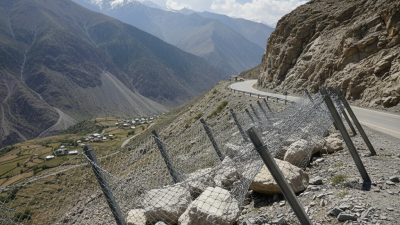
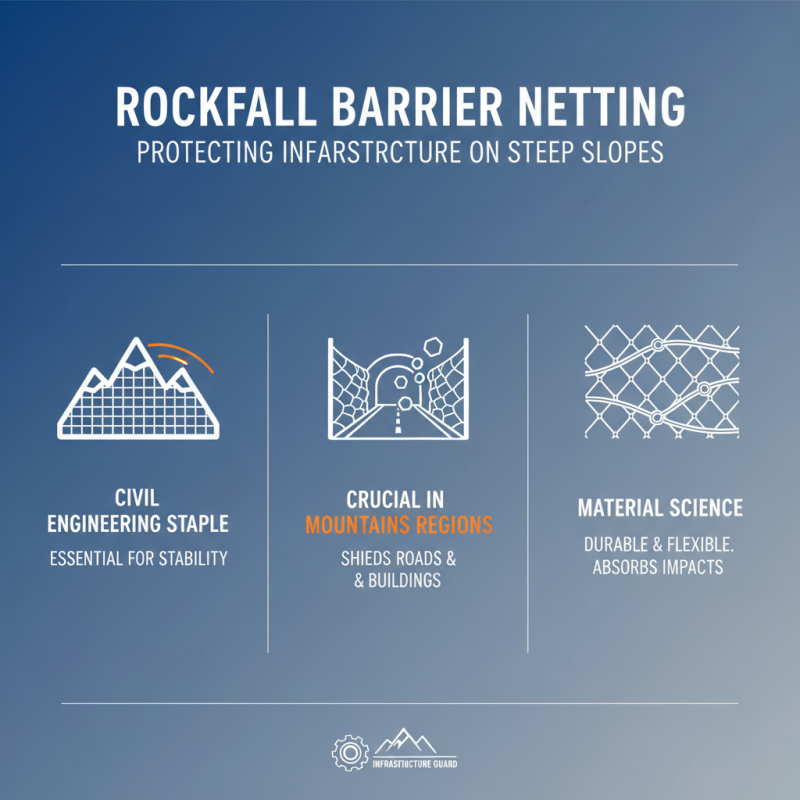
Rockfall Barrier Netting is a critical innovation for mitigating the dangers of rockfalls in mountainous regions. According to a report by the International Erosion Control Association, rockfalls can cause significant damage and loss, prompting the need for advanced solutions. In recent years, the market for Rockfall Barrier Netting has experienced a growth rate of over 10%, driven by increasing awareness of safety and environmental impacts.
Engineer Dr. Jennifer L. Cartwright states, "Effective netting solutions can save lives and reduce infrastructure damage." Her insights reflect the industry's commitment to developing better materials and design concepts. Innovations in this field have led to netting that can withstand harsh conditions and extreme impacts, yet challenges remain. The cost of installation and maintenance can be prohibitive, especially in remote locations.
Ultimately, the future of Rockfall Barrier Netting lies in its continual improvement and adaptation to diverse environments. Stakeholders must address these challenges to maximize the technology's potential. As we explore the innovations of 2026, the focus must remain on practicality and sustainability to protect both communities and landscapes effectively.
Overview of Rockfall Barrier Netting Technologies
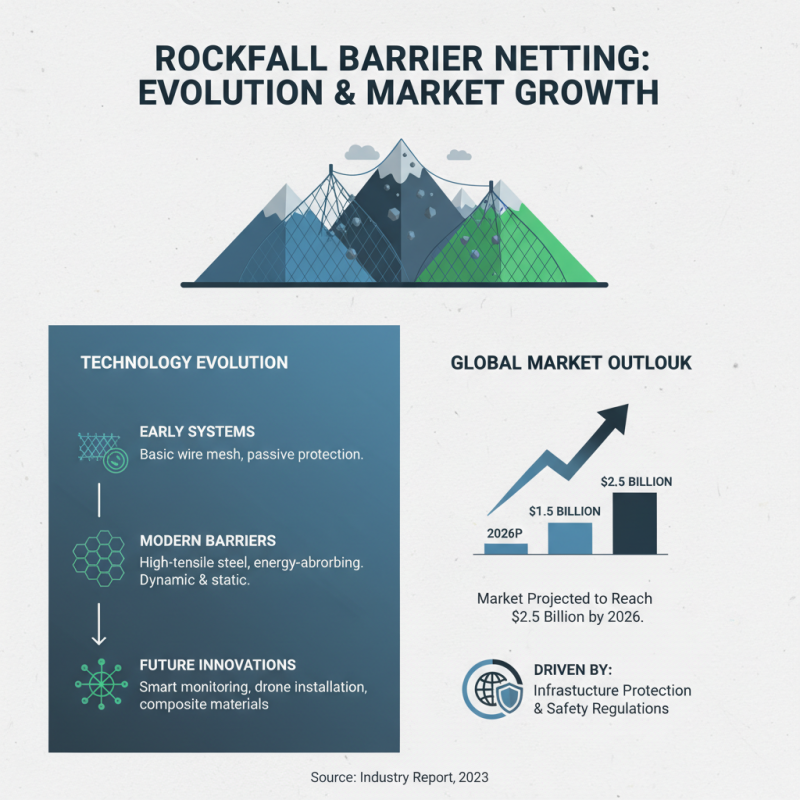
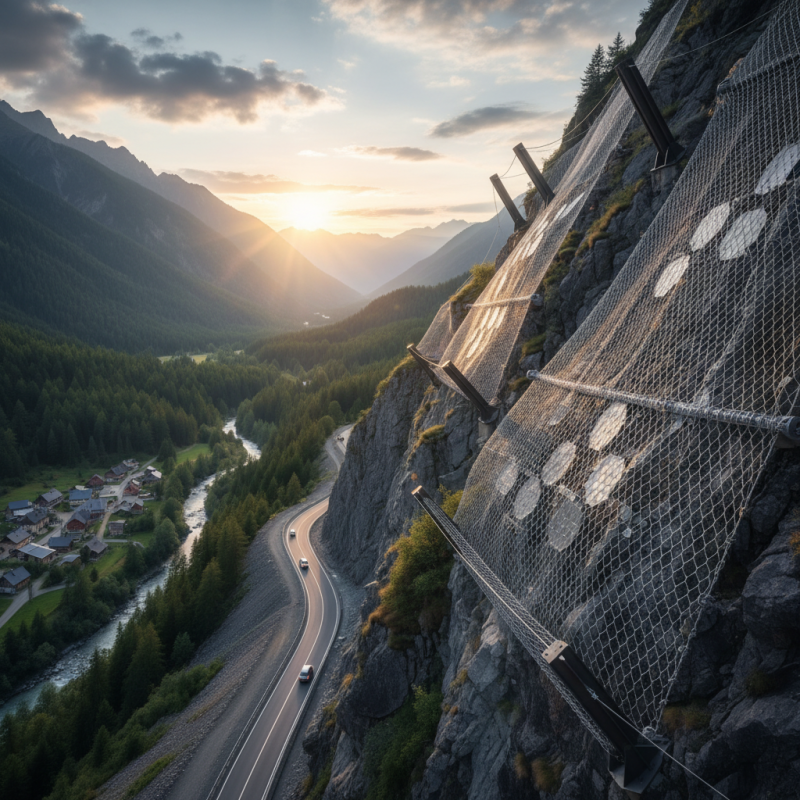
Rockfall barrier netting technologies have evolved significantly in recent years. These systems are designed to protect infrastructure and ensure safety in mountainous areas where rockfalls are common. According to a recent industry report, the global rockfall barrier market is projected to reach $2.5 billion by 2026, reflecting a growing demand for innovative solutions.
Modern rockfall barriers utilize advanced materials that enhance durability and effectiveness. For instance, high-tensile steel wires are integrated for strength. Recent advancements also include the development of energy-absorbing systems that minimize the impact of falling rocks. These features are essential in areas frequently affected by landslides, where traditional barriers may fall short. However, some designs remain ineffective against larger rock masses, requiring continuous improvements.
The applications of these barriers extend beyond mere prevention. They are also vital in urban planning and environmental conservation efforts. However, challenges persist. Some installation methods can disrupt local ecosystems, causing unintended consequences. This raises critical questions about balancing safety and ecological integrity. Industry leaders must address these issues to ensure that rockfall barriers serve their intended purpose effectively.
Recent Innovations in Rockfall Barrier Design and Materials
Recent advancements in rockfall barrier design have brought exciting changes to the industry. Innovative materials are now being used, enhancing the strength and durability of these barriers. For instance, researchers have explored composite fabrics that offer better resistance to harsh weather conditions. These materials can withstand extreme temperatures and heavy rainfall, which are critical for maintaining integrity over time.
Additionally, the design of rockfall barriers is evolving to incorporate better aesthetics and functionality. Engineers are experimenting with modular designs that allow for easier installation and maintenance. These modular systems can be adapted to fit various terrains. In some projects, natural foliage is integrated, allowing barriers to blend seamlessly with the environment. However, challenges remain, particularly in ensuring that these barriers do not hinder wildlife movement.
In practice, these innovations are met with mixed results. While some installations perform well, others reveal flaws due to local geological conditions. This highlights the importance of thorough site assessments before installation. As the industry progresses, continual reflection on these real-world applications will be crucial for future improvements.
Case Studies: Successful Implementations of Rockfall Protection
Rockfall protection has seen impressive advancements recently. Innovative barrier netting technologies now offer enhanced resilience and flexibility. These solutions are pivotal in safeguarding infrastructure and lives in mountainous regions. One case study highlights a city that implemented a modern rockfall barrier system after suffering multiple landslides. The new netting features advanced materials that can absorb energy effectively. This innovation has significantly reduced the frequency of rockfalls in vulnerable areas.
Another successful application was observed in a highway project. Engineers installed a dynamic rockfall netting solution to protect drivers and pedestrians. The netting system was carefully designed to match the terrain's unique features. This attention to detail led to a noticeable decrease in rock-related accidents. However, initial assessments revealed that some installations required adjustments. Reflecting on these cases, it is clear that continuous improvement is essential. Each site has different challenges, and learning from previous implementations can lead to better outcomes in the future.
2026 Top Rockfall Barrier Netting Innovations and Applications
This chart illustrates the successful implementation of various rockfall protection methods in different case studies. The data represents the effectiveness of each method in reducing rockfall incidents over a period of time.
Future Trends and Challenges in Rockfall Barrier Netting Solutions
Rockfall barrier netting is evolving. As landscapes change, innovations are crucial. The focus is on enhancing safety and durability. New materials are emerging. These materials are lighter but stronger. They promise better adaptability to various terrains. Such advancements can significantly mitigate rockfall risks.
Challenges persist in implementing these solutions. For instance, adapting to specific site conditions can be complex. Each location has unique geological and environmental factors. Engineers must navigate these differences carefully. It’s vital to assess local conditions before deployment. Adjustments may be necessary, which can complicate projects.
Tip: Always conduct thorough site assessments. Understanding the terrain is key. It saves time and resources later.
Future trends will likely include smart technology integration. Sensors could provide real-time data on net performance. This innovation could lead to preemptive measures for potential rockfalls. Ongoing research will also explore sustainable materials. These would minimize environmental impact while maintaining effectiveness.
Tip: Consider using eco-friendly materials where possible. It benefits both safety and the environment. Balancing effectiveness with sustainability is the goal.
2026 Top Rockfall Barrier Netting Innovations and Applications
| Innovation |
Application Area |
Material Used |
Impact |
Challenges |
| Smart Sensor Integration |
Mountain Passes |
Synthetic Fibers |
Increased safety and monitoring |
High installation costs |
| Eco-friendly Materials |
National Parks |
Biodegradable Polymers |
Reduced environmental impact |
Performance under extreme conditions |
| Modular System Design |
Construction Sites |
Metal and Composite Materials |
Easier installation and maintenance |
Compatibility with existing systems |
| Robust Anchoring Systems |
Steep Slopes |
Reinforced Steel |
Enhanced stability under load |
Installation challenges in rocky terrain |
| Drones for Monitoring |
Remote Areas |
Lightweight composites |
Improved inspection efficiency |
Regulatory concerns |