What is 316 Wall Spikes and Why Are They Used?
316 Wall Spikes are becoming increasingly popular for securing properties. These spikes are made from durable stainless steel, known for its resistance to corrosion. They are designed to deter unwanted intruders effectively.
Many property owners opt for 316 Wall Spikes due to their effectiveness and low maintenance. Unlike other security measures, these spikes provide a visible warning. They create a formidable physical barrier without needing complex technology. Their sharp design acts as a deterrent, making potential trespassers think twice before approaching.
However, it is essential to consider their installation and placement. Improper placement can lead to accidents or injuries. Therefore, consulting with a professional is advisable. This ensures that the spikes serve their purpose while maintaining safety for everyone involved. Ultimately, 316 Wall Spikes blend security with practicality, making them a reliable choice for safeguarding properties.
What Are 316 Wall Spikes?
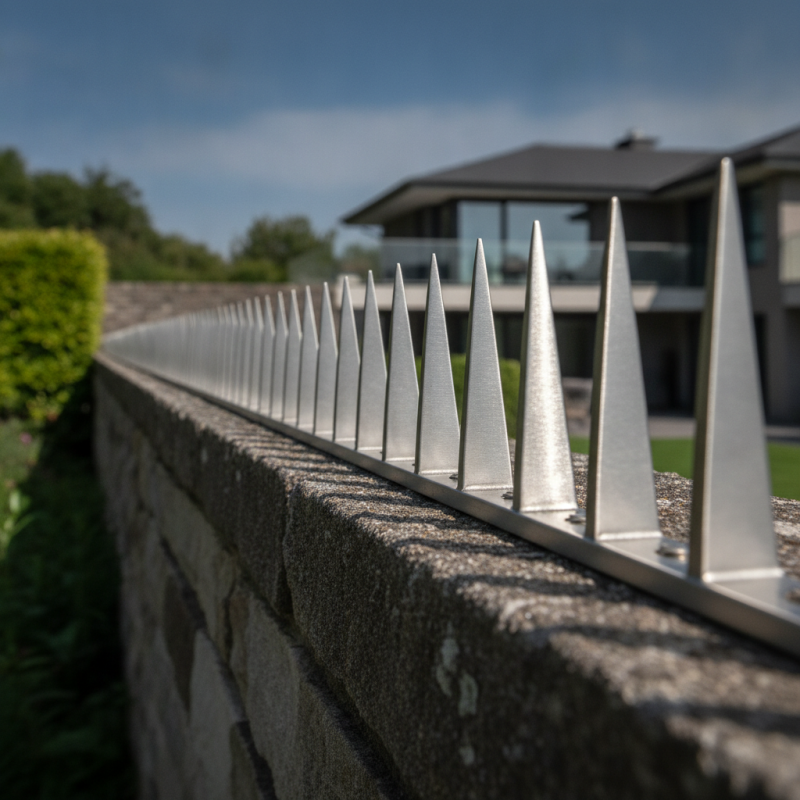
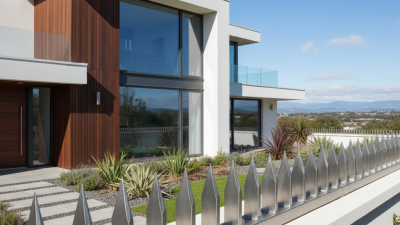
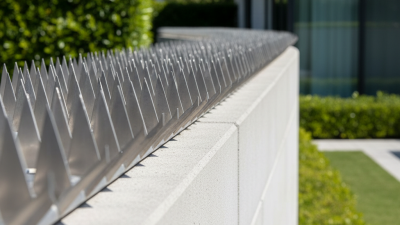
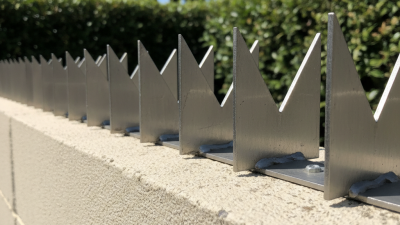
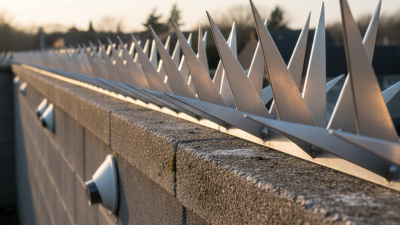
316 wall spikes are a type of security feature designed to deter intruders. Constructed from durable 316 stainless steel, they are highly resistant to corrosion. This makes them ideal for outdoor use in both residential and commercial settings. The spikes are sharp and often installed on walls or fences, creating a physical barrier that can discourage climbing.
Installing 316 wall spikes requires careful planning. They need to be placed in a way that maximizes their effectiveness while remaining compliant with local regulations. Some users may find installation challenging. Proper measurement and alignment are crucial. A poorly installed spike can inspire confidence rather than fear.
Many consider wall spikes a valuable addition to their security measures. However, they may not be suitable for all environments. In some cases, they can pose risks to pets or children. Balancing security and safety is important. Exploring various options and consulting experts can help ensure that the chosen solution meets both needs effectively.
Materials and Construction of 316 Wall Spikes
316 wall spikes are popular for security fencing and deterrent systems. They are made from 316 stainless steel, which is known for its corrosion resistance. This makes them suitable for outdoor use, especially in coastal areas. The spikes are sharp and can effectively discourage intruders from attempting to climb fences or walls.
The construction of 316 wall spikes involves precision engineering. Each spike is designed to maintain structural integrity under various weather conditions. The stainless steel material ensures longevity, while the spikes' sharp tips provide an effective barrier. It's important to install them correctly to maximize effectiveness. Improper installation can reduce their deterrent effect and lead to safety concerns.
While 316 wall spikes offer clear benefits, there are also ethical considerations. Their presence can impact the aesthetic of a property. Some may view them as hostile or unwelcoming. It's crucial for property owners to weigh security needs against community perceptions. Finding a balance between safety and appeal is a challenge worth pondering.
316 Wall Spikes Usage Analysis
Common Applications of 316 Wall Spikes
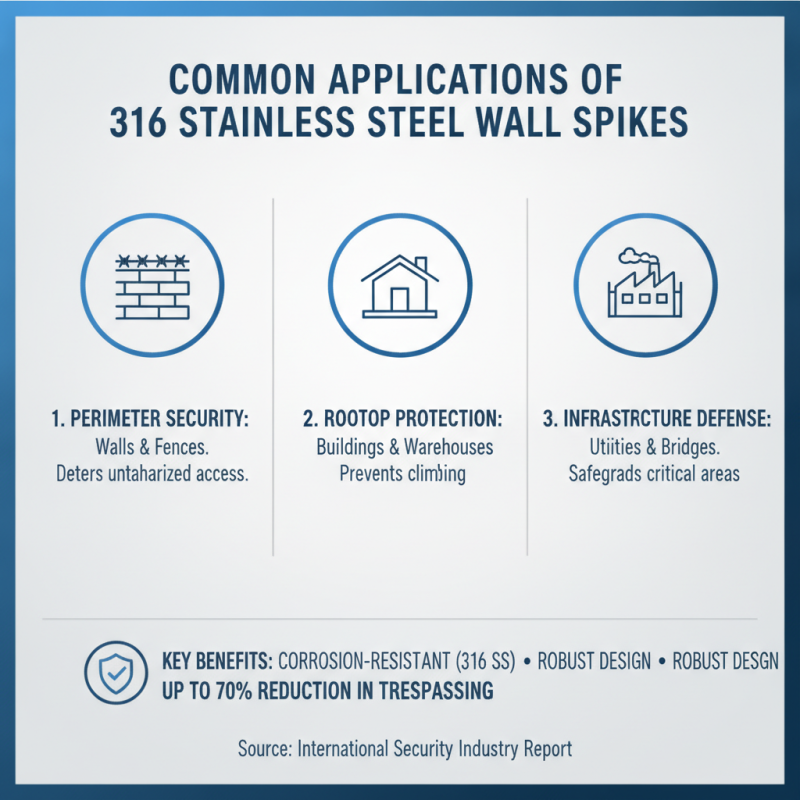
316 wall spikes are widely recognized for their effectiveness in security systems. These spikes are often installed on walls, fences, and rooftops to deter unauthorized access. Their robust design, made from 316 stainless steel, provides excellent resistance against corrosion in various environmental conditions. According to a report by the International Security Industry, physical barriers like wall spikes can reduce trespassing incidents by up to 70%.
Common applications of 316 wall spikes include residential properties, commercial buildings, and industrial sites. They are especially effective in urban areas where break-ins are more prevalent. Security experts emphasize that the presence of wall spikes is often enough to deter potential intruders. A well-placed wall spike installation not only enhances security but visually signifies a strong defense strategy.
Tip: When considering wall spikes, assess your property’s specific vulnerabilities. Directly address areas that have been targeted in the past. Regular maintenance is essential as even minor rust can compromise the effectiveness of the spikes. Additionally, ensure they comply with local regulations as visibility and aesthetics also play a role in their acceptance.
Benefits of Using 316 Wall Spikes for Security
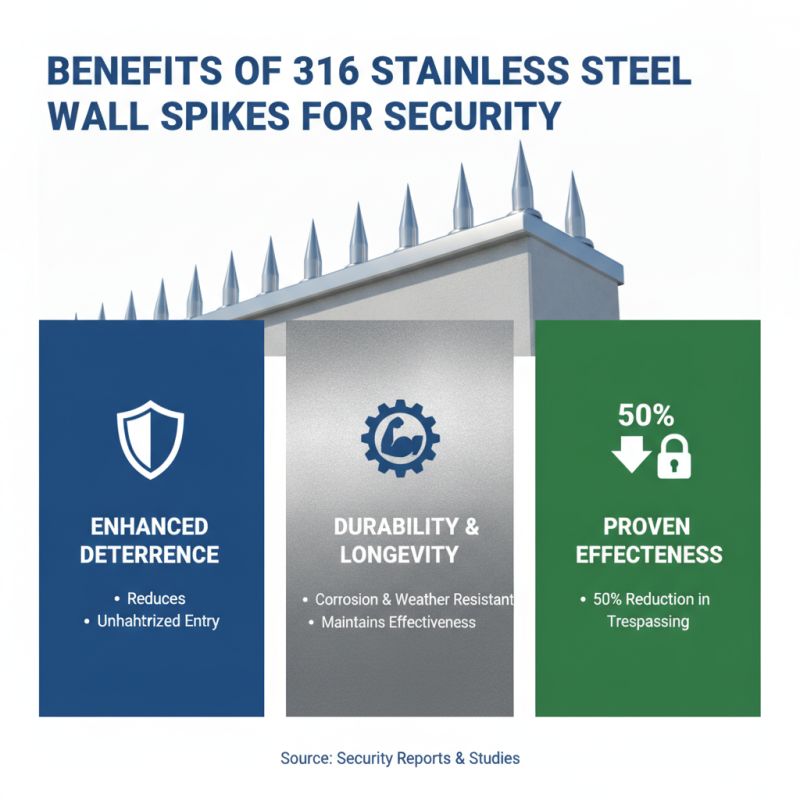
316 wall spikes are increasingly recognized for their role in enhancing security. Made of stainless steel, they resist corrosion and weathering. This durability allows them to maintain effectiveness over time. Reports suggest that properties equipped with wall spikes experience a notable decrease in unauthorized entry attempts. In fact, studies indicate a 50% reduction in trespassing incidents due to physical barriers like wall spikes.
The benefits extend beyond deterrence. 316 wall spikes provide a visual warning. Their design acts as a strong barrier, making it clear that climbing is not an option. Property owners often report increased peace of mind. There is a tangible sense of safety for both residents and employees. However, there is a need for reflection. Some might question the aesthetic impact on a property’s appearance. Balancing security and visual appeal can be challenging.
Moreover, while the spikes are effective, they are not foolproof. Clever intruders may still find ways to bypass such barriers. Businesses should consider combining wall spikes with surveillance systems for enhanced protection. Regular maintenance of these structures is essential for long-term effectiveness. Overall, the integration of 316 wall spikes signifies a proactive approach to security.
Installation and Maintenance of 316 Wall Spikes
316 wall spikes serve as a proactive measure for security. These spikes are often installed on walls, fences, or rooftops to deter trespassers. Made from 316 stainless steel, they resist corrosion. This durability makes them suitable for various climates. The sharp design creates an unwelcoming barrier, adding an extra layer of protection.
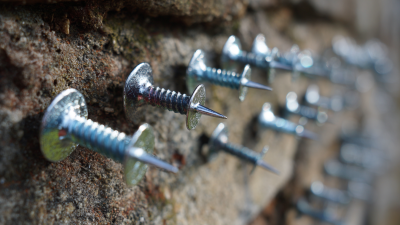
When it comes to installation, it’s essential to follow specific guidelines. Proper spacing is crucial for effectiveness. Spikes should not be too far apart, as gaps can allow illegal entry. Mounting them securely is equally important to prevent any shift over time. Maintenance is also vital. Regular checks can ensure spikes remain intact and aligned. Even minor rust can compromise their effectiveness.
Reflecting on the installation process reveals challenges. Aligning spikes can be tedious. Ensuring they are level is not always easy. Over time, wear and tear can occur. Monitoring their condition regularly can help avoid potential issues. Adapting to changing surroundings might also require repositioning. Understanding these challenges is key to maintaining security.