What is Anti Climbing Wall Spikes and How Do They Work?
Anti Climbing Wall Spikes are security devices designed to deter unauthorized access to buildings and properties. These spikes serve as a visual and physical barrier. Recent industry reports show a growing concern about urban crime rates and trespassing incidents. Statistics reveal that property crimes have risen by 7% in certain regions, emphasizing the need for effective security solutions.
Effective crime prevention requires innovative tools. Anti Climbing Wall Spikes provide a practical solution to protect homes and businesses. According to a survey conducted by security technology experts, 65% of respondents felt safer with these installations. The presence of spikes can significantly reduce the likelihood of break-ins.
Yet, implementing such devices requires careful consideration. Improper installation can lead to unnecessary injuries. Not all property owners are aware of best practices for installation. Therefore, professional guidance is essential for optimal results. Understanding these challenges can help in making informed decisions about security measures.
What Are Anti Climbing Wall Spikes?
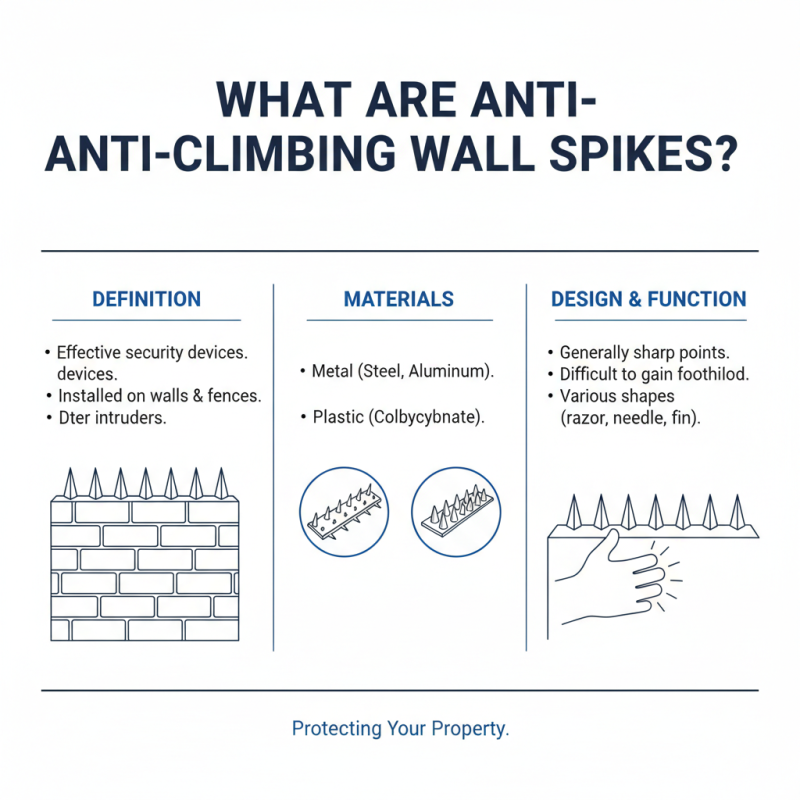
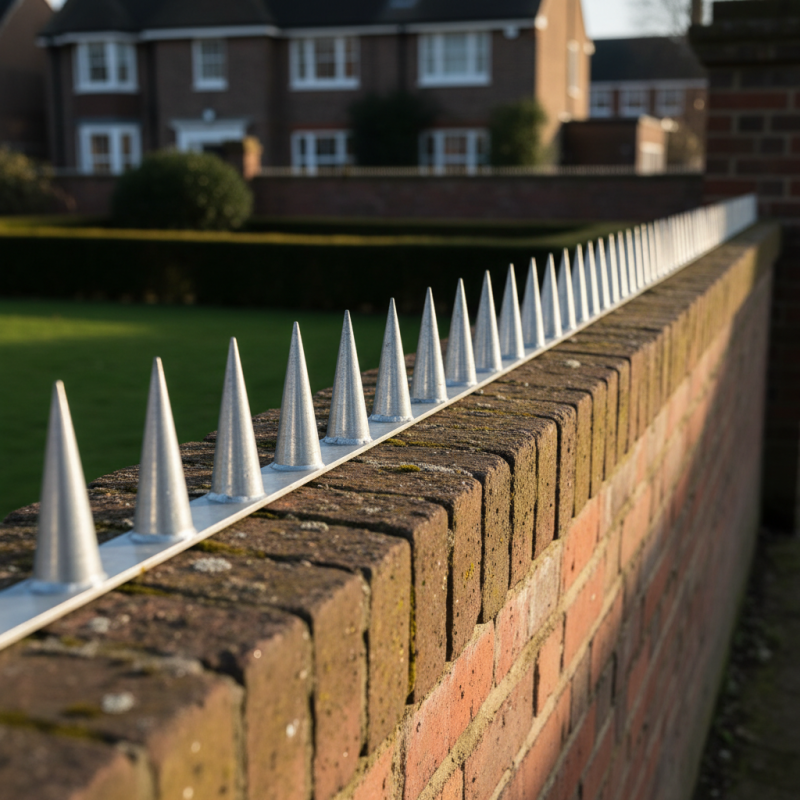
Anti climbing wall spikes are effective security devices installed on walls and fences. They serve as a deterrent for intruders attempting to scale barriers. These spikes can be made from various materials, including metal and plastic. Their design varies, but they generally consist of sharp points that make it difficult for individuals to gain a foothold.
When properly installed, these spikes create a formidable barrier. They are typically placed at strategic points, ensuring maximum effectiveness. A continuous line of spikes along the perimeter enhances security. In urban environments, these spikes help protect property from trespassing and vandalism.
**Tips:** Ensure spikes are installed in a way that maintains aesthetic appeal. Hide installations behind foliage or architectural features. Regular maintenance checks are vital; this prevents deterioration and ensures spikes remain effective.
It's important to note that while anti climbing spikes can prevent unauthorized access, they can also cause harm. This raises ethical questions about their use. Always weigh the risks and benefits before installation. Communicate openly with the community—gaining support can lead to better security solutions.
The History and Development of Climbing Wall Spikes
The use of anti-climbing wall spikes has evolved significantly since their inception. Initially designed as a physical deterrent, these spikes emerged in the mid-20th century. The intent was to protect properties and enhance security measures. Over the decades, various designs have been developed, ranging from simple metal spikes to sophisticated systems integrated with alarms.
Research indicates that physical barriers can reduce unauthorized access by approximately 80%. These statistics support the growing adoption of climbing wall spikes by both residential and commercial property owners. However, the aesthetic implications and ethical concerns regarding these deterrents remain contentious. Some argue that the spikes may convey a sense of hostility and exclusion, which can lead to community backlash.
Additionally, there’s a need for ongoing reflection within the security industry. While spikes can be effective, they are not fail-proof. Some studies show that determined individuals may find ways to bypass these barriers. This raises questions about the balance between safety and community acceptance. As the design of security measures continues to advance, it is crucial for stakeholders to consider not just the effectiveness, but also the broader social impact of their implementations.
How Do Anti Climbing Wall Spikes Function?
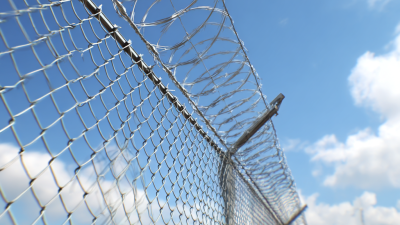
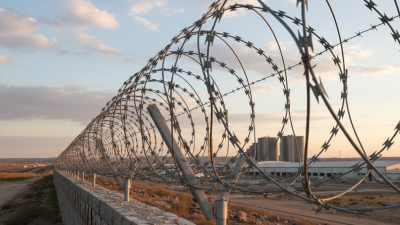
Anti-climbing wall spikes are security features designed to deter unauthorized access to private properties, rooftops, and other sensitive areas. These spikes function by creating a physical barrier that is difficult to navigate. Traditionally made from metals or durable plastics, they are installed along fences, walls, or even on parapets. Their pointed design discourages climbers by inflicting discomfort and posing a risk of injury.
The key to their effectiveness lies in their strategic placement. Typically, they are spaced out to prevent the user from finding any foothold. A well-designed anti-climbing system can enhance security without making an area look hostile. However, some installations may not take surrounding environments into account, leading to unintended consequences for animals or even children. Reflecting on these aspects is crucial for ensuring that security measures do not become a threat in themselves.
Installation requires careful consideration by professionals. They should assess height, angle, and material to provide a reliable deterrent. In some cases, spikes might not be the best solution, as they can raise ethical concerns. Alternatives, such as security cameras or motion sensors, could also be explored. We must balance safety with overall community welfare when evaluating these security options.
What is Anti Climbing Wall Spikes and How Do They Work?
| Feature |
Description |
| Material |
Typically made from durable plastic or metal to withstand weather conditions. |
| Purpose |
Designed to deter intruders from climbing over walls and fences. |
| Installation |
Easily mounted on top of fences or walls using screws or adhesives. |
| Design |
Features sharp or pointed spikes that dissuade climbing. |
| Safety |
Generally safe for pets and children when installed correctly and used in appropriate areas. |
| Effectiveness |
Proven to reduce unauthorized access significantly when incorporated into security measures. |
Benefits of Installing Anti Climbing Wall Spikes
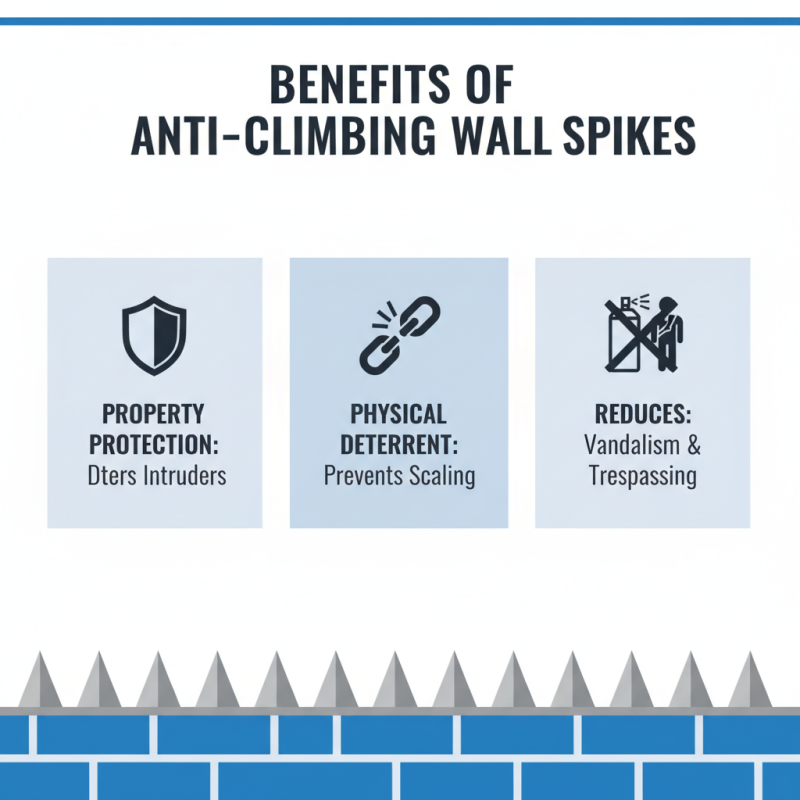
Anti climbing wall spikes offer an effective solution for property protection. These spikes serve as a physical deterrent, making it difficult for intruders to scale walls or fences. Their design is meant to create an uncomfortable experience for anyone attempting to climb over. This approach not only helps in safeguarding private property but also discourages vandalism and trespassing.
The installation of anti climbing wall spikes provides numerous benefits. Security is the most obvious advantage. When potential intruders see spikes, they think twice before attempting to breach a property. Additionally, these spikes do not fully obstruct visibility, allowing for an unobstructed view while ensuring safety. This balance is crucial in maintaining a welcoming appearance while prioritizing security.
Tips for effective spike placement include ensuring they are angled correctly and spaced adequately for maximum deterrence. Regular maintenance is necessary to keep them in good condition. It's also wise to consider local aesthetics and community guidelines before installation. Addressing these elements may require more planning, but the long-term benefits are substantial. Properly executed, they can make a difference without creating an eyesore.
Legal Considerations for Using Anti Climbing Wall Spikes
Anti-climbing wall spikes are designed to deter trespassers from climbing walls or fences. While they can be effective,
using them comes with legal considerations. Regulations vary by region. It's crucial to understand local ordinances
that govern their installation. Many areas have specific laws prohibiting hazardous materials or sharp objects on private properties.
Failure to comply can lead to legal issues.
In a survey conducted by security experts, 40% of property owners were unaware of these
regulations before installation. Legal risks can arise when someone gets injured by these spikes. Property owners could face
lawsuits for negligence. It's important to provide adequate warning signs and ensure that the installation adheres to
safety guidelines to minimize risks.
Tip: Before installing anti-climbing features, consult with a local legal expert. They can help interpret laws
affecting your property. Maintaining communication with local authorities can ensure that your security measures are both
effective and compliant. Seek professional advice, especially on liability issues. This knowledge can save you time and
legal trouble later.