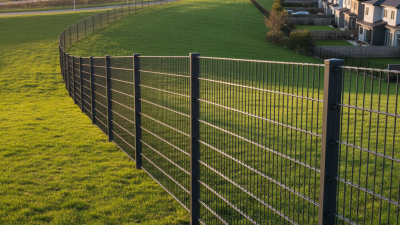
Best 3D Fence Panels for Global Buyers in 2026?
As the global fencing market experiences a significant transformation, 3D Fence Panels are increasingly becoming a popular choice among buyers. According to a report by the International Fencing Federation, the demand for innovative fencing solutions is expected to grow by 5% annually until 2026. This growth reflects a shift towards aesthetically pleasing designs that also provide functionality.
3D Fence Panels offer a unique combination of security and visual appeal. They are constructed using advanced materials that enhance durability and resistance to harsh weather conditions. Industry analyses suggest that buyers appreciate this blend of resilience and design. However, not all panels meet high-quality standards, and consumers must be vigilant. The rise of counterfeit products is a concern.
It's crucial for buyers to consider reputable brands and read user reviews before purchasing. The market is filled with options, but not all deliver on their promises. Conducting thorough research can prevent buyers from investing in subpar products. As the 3D Fence Panel market evolves, staying informed will be essential for making the best choices.
Overview of 3D Fence Panels in the Global Market for 2026
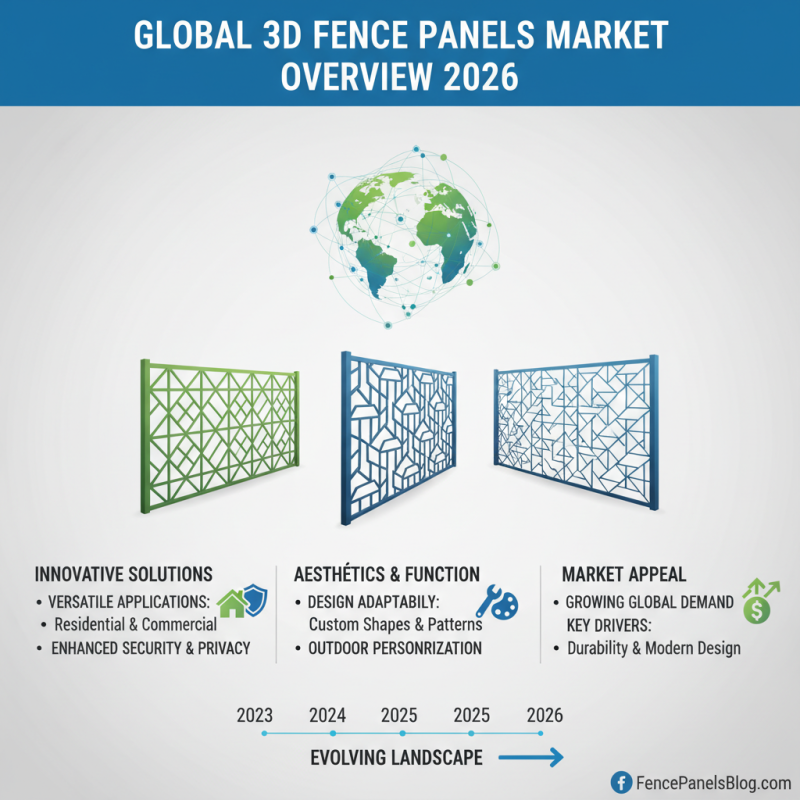
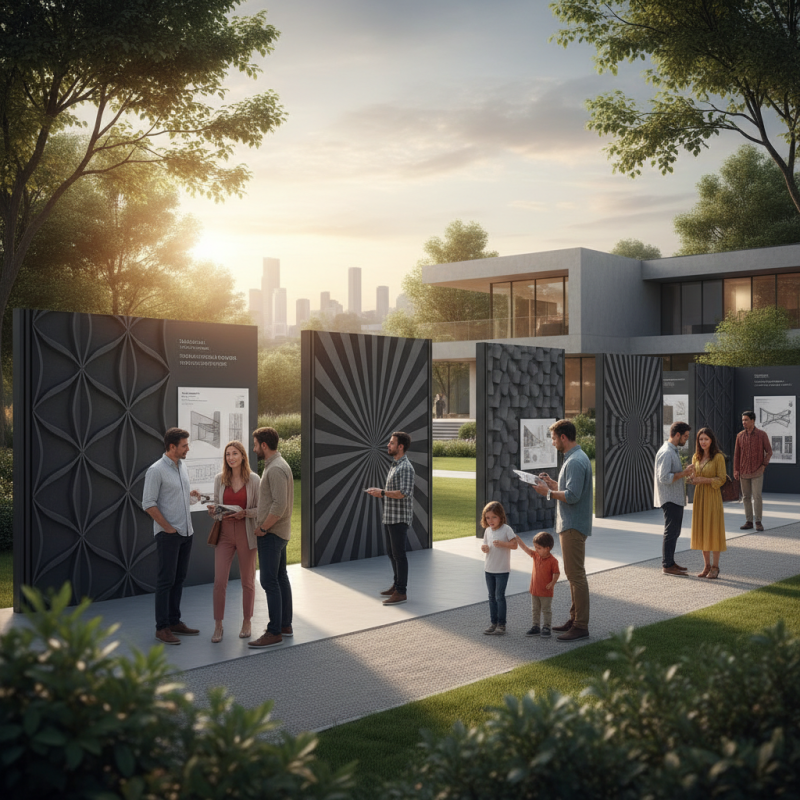
As we look ahead to 2026, the landscape of 3D fence panels is evolving. These innovative products offer versatile solutions for various applications, from residential properties to commercial spaces. The aesthetics and functional benefits of 3D fence panels appeal to buyers globally, enabling better security and privacy. These panels can be shaped into various designs, allowing for personalization in outdoor spaces.
The global market for 3D fence panels has seen a surge in demand. Factors driving this trend include increased urbanization and a preference for modern fencing solutions. Buyers are drawn to the durability and low maintenance of these panels. However, with so many options available, finding the right choice can be overwhelming. It's essential to evaluate the materials used and the manufacturing process to ensure quality and longevity.
While many companies claim to provide the best products, not all meet high standards. Potential buyers should remain vigilant and do thorough research before making a purchase. Questions about sustainability and environmental impact also arise as manufacturing processes vary. Balancing aesthetics with ethical considerations can be challenging but is vital for informed decision-making in the future of 3D fence panels.
Key Features and Benefits of 3D Fence Panels
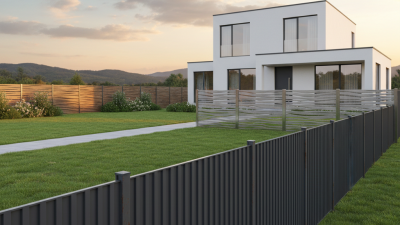
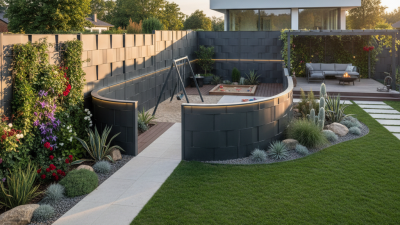
3D fence panels are gaining popularity globally in 2026 for various reasons. These panels offer unique design options that enhance the aesthetic appeal of properties. They provide a modern touch to gardens, commercial spaces, and residential areas. The versatility of 3D fence panels allows for creative configurations, helping property owners express their style.
The durability of these panels is a significant benefit. Made from robust materials, they withstand harsh weather conditions and resist wear and tear. This longevity translates into cost savings, as fewer replacements are needed over time. Easy installation is another advantage. Many panels come with straightforward assembly instructions, making it possible for homeowners to manage the installation without professional help.
When considering 3D fence panels, reflect on the design that suits your needs. Think about the colors, heights, and shapes you want. Not all panels will fit every landscape. Take your time to browse various styles before deciding. Another tip is to check for maintenance requirements. While durable, some materials might need regular cleaning or treatment to retain their appearance.
Top Brands and Manufacturers to Consider in 2026
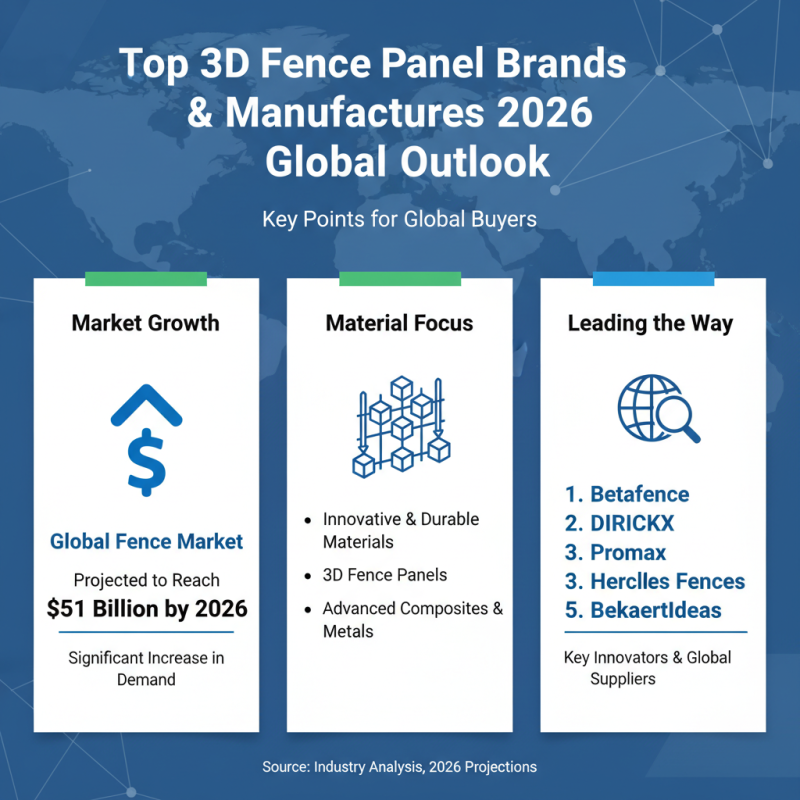
When exploring the best 3D fence panels for global buyers in 2026, it's crucial to identify leading brands and manufacturers. The global fence market is expected to grow significantly, projected to reach $51 billion by 2026. This growth signals increasing demand for innovative and durable materials.
Top manufacturers emphasize sustainability and functionality in their designs. Reports highlight that 30% of consumers prioritize eco-friendly options when purchasing fencing materials. This trend reflects a wider shift towards environmentally responsible practices. Experts suggest that brands focusing on recycled materials stand out in this competitive landscape.
Moreover, evolving technology impacts design and production. There are advancements in 3D modeling, allowing for customized and aesthetically pleasing options. However, not all manufacturers adopt these technologies equally. Some may lag in incorporating quality control measures, leading to questions about their reliability. Balancing innovation with consistent quality remains a challenge, impacting buyers' choices.
Comparative Analysis of Material Types for 3D Fence Panels
When analyzing 3D fence panels, material selection plays a crucial role. Common materials include metal, wood, and composite. Each has its unique strengths and weaknesses. Metal panels are durable and resistant to harsh weather. They tend to last longer, with reports indicating a lifespan of 25 years or more in optimal conditions.
Wood panels offer a traditional aesthetic but require maintenance. Industry studies show that over 50% of wooden fences need repairs within five years. Their vulnerability to rot and pests can shorten their lifespan significantly. Composite materials are gaining popularity due to their blend of durability and low maintenance. Data suggests that composite panels can last 30 years or more and resist fading and splintering.
However, cost and environmental impact remain significant considerations. Metal fences can be pricier upfront. Wood is sourced from trees, raising sustainability concerns. Composite materials may also involve chemicals in their manufacturing process. These complexities should prompt buyers to weigh their options carefully. In 2026, the choice of material will likely reflect ongoing trends in eco-friendliness and longevity expectations.
Best 3D Fence Panels for Global Buyers in 2026
Installation and Maintenance Tips for 3D Fence Panels
When installing 3D fence panels, proper preparation is key.
Choose a level area to set the foundation. This ensures your fence stands firm and lasts longer.
Mark the spots where each panel will be placed. Use stakes and a string line for guidance.
This helps maintain straight lines and even spacing. Remember, a little planning goes a long way.
Maintenance of 3D fence panels is crucial for durability.
Regular inspections are necessary. Look for signs of weathering or rust. It's helpful to clean the panels with water and mild soap occasionally.
This removes dirt and debris that can cause damage. Don’t ignore the brackets and fittings. Tighten loose screws or bolts to prevent sagging.
Sometimes, you may find the colors fade over time. This is a normal occurrence.
Consider repainting if needed. However, not every fence needs this. Monitor its appearance and decide accordingly.
Overall, taking small, consistent actions creates a reliable and long-lasting fence.
Every homeowner should prioritize this routine.