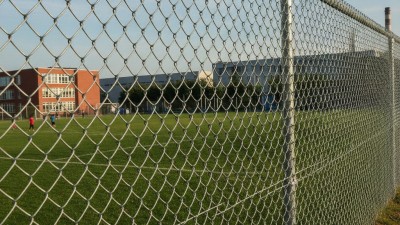
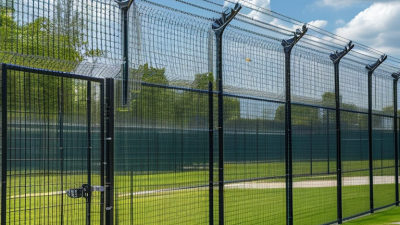
Best Chain Link Mesh Fence Options for Your Next Project?
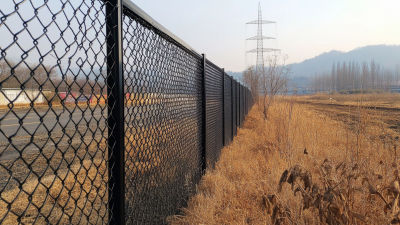
When it comes to securing spaces, a Chain Link Mesh Fence stands out for its versatility and durability. Industry expert John Smith, a renowned fence specialist, emphasizes, “The right fencing solution can transform your property’s security and aesthetics.” His insight highlights the importance of selecting the best materials and designs for your project.
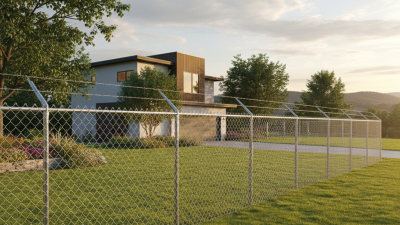
Choosing a Chain Link Mesh Fence offers multiple options, from height to gauge size. This type of fencing is not just about protection; it can enhance the visual appeal of your space. For residential or commercial use, a well-installed chain link fence provides visibility while maintaining security. Yet, it’s essential to consider the specifications that will best suit your needs.
While many opt for standard designs, custom options exist. They can be more expensive and require extra planning. Ultimately, one must weigh the benefits and drawbacks of different styles against the project's specific demands. With proper research, selecting the best Chain Link Mesh Fence can truly bolster both functionality and visual interest.
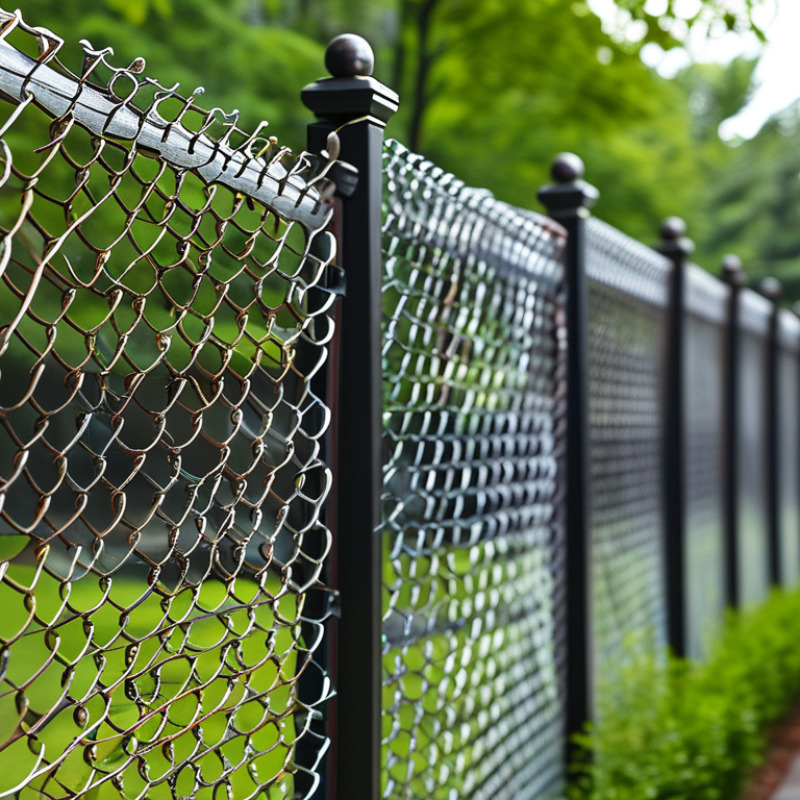
Understanding Chain Link Mesh Fencing: Essential Features and Benefits
Chain link mesh fencing is a popular option for many projects due to its unique features and benefits. It offers enhanced visibility and ventilation, making it ideal for securing backyards, playgrounds, and commercial properties. The American Fence Association reported that chain link fences account for over 35% of the fencing market in the United States. This popularity is largely due to their cost-effectiveness and durability.
One critical feature of chain link fencing is the gauge of the wire. Heavier gauges provide greater strength and resistance to wear, while lighter gauges are more budget-friendly. Nonetheless, the choice must be balanced against potential longevity and maintenance costs. Proper installation is essential. Poorly installed fences can lead to sagging and require frequent repairs.
Tip: Always consider the environment where you plan to install the fence. Areas with high winds may benefit from heavier gauges.
Another significant benefit of chain link fences is their versatility. They can be coated with vinyl for added aesthetics and corrosion resistance. It's important to research your local regulations, as some areas may have restrictions on fence height and appearance.
Tip: Visit local sites with similar fencing to gauge what works best in your community.
While chain link fencing provides many advantages, it's crucial to think critically about your specific needs. Assess the level of security required, and be aware of potential drawbacks like limited privacy.
Different Types of Chain Link Mesh Fencing for Various Applications
When considering chain link mesh fencing, it's essential to understand the different types available. Each type serves unique purposes across various applications. For instance, residential fences often prioritize privacy while still maintaining visibility. A heavier gauge wire might be suitable for those wanting added security.
On the other hand, commercial applications frequently require durability and strength. Heavy-duty mesh offers resilience against damage and can deter vandalism. Additionally, some project managers might reflect on how visibility and safety intersect, especially in industrial settings. Choosing the right fence means evaluating your needs thoughtfully.
Another type is decorative chain link fencing, which can enhance aesthetics while providing security. These options allow for customization, appealing to homeowners who value beauty as much as function. While there is a learning curve in selecting the best type, gathering information helps owners make informed decisions. Each choice reflects specific requirements, highlighting the importance of understanding material differences.
Best Chain Link Mesh Fence Options for Your Next Project
| Type of Chain Link Fence |
Height (ft) |
Gauge |
Mesh Size (in) |
Common Applications |
| Residential Chain Link Fence |
4 - 6 |
11 |
2" x 2" |
Homeyards, Gardens |
| Industrial Chain Link Fence |
6 - 12 |
9 |
2" x 4" |
Factories, Warehouses |
| Galvanized Chain Link Fence |
4 - 10 |
11 |
1.5" x 1.5" |
Perimeter Security, Playgrounds |
| Vinyl Coated Chain Link Fence |
4 - 8 |
9 |
1.75" x 1.75" |
Privacy, Aesthetics |
| Temporary Chain Link Fence |
6 |
11 |
2" x 2" |
Construction Sites, Events |
Factors to Consider When Choosing Chain Link Mesh Fence Materials
When selecting chain link mesh fence materials for your project, several factors come into play.
The most crucial aspect is the gauge of the wire. A higher gauge means thinner wire, while a lower gauge indicates thicker wire.
Thicker wire adds strength but also increases cost. Consider the purpose of your fence. If it’s for security, opt for a lower gauge.
Another essential factor is the coating type. Chain link fences come with various protective coatings, such as galvanized or vinyl-coated options.
Galvanized fencing is resistant to rust and corrosion, making it ideal for outdoor use. Vinyl-coated fences offer aesthetic appeal, coming in various colors.
Tips:
Choose the right height. Standard heights range from 3 to 12 feet. Higher fences provide better security.
Consider privacy slats if visibility is a concern. These can enhance privacy without compromising on ventilation.
Think about the installation process. Some materials are easier to install than others, which could save time and labor costs.
Reflecting on these aspects can help you make a wise decision. The right material can impact longevity and the overall success of your fencing project.
Balancing durability, cost, and aesthetics is vital for achieving your desired outcome.
Installation Tips for Successful Chain Link Mesh Fence Projects
When planning a chain link mesh fence installation, careful preparation is essential. Research suggests that successful projects often hinge on the quality of installation. According to the American Fence Association, poorly installed fences can lead to increased maintenance costs, costing homeowners up to 25% more over time. Therefore, knowing the local soil conditions and climate can help inform fence depth and type.
Proper measurements are vital. Ensure you have clear, accurate dimensions for your project area. The layout should include corner posts and gates, as these can influence the overall stability of the fence. Additionally, consider using a level and marking paint for consistent heights. It's common for novices to underestimate the importance of sturdy posts. The optimal depth for posts usually ranges from 1/3 to 1/2 of the post height.
Don’t forget about the tools. A good list includes a post hole digger, concrete mix, and tension wire. Many new installers overlook the tension wire, which can enhance the integrity of the fence. Research indicates that fences with tension wires exhibit 30% less sagging over time. This seemingly small detail can significantly impact longevity and effectiveness. Always double-check your setup before finalizing to avoid costly mistakes later.
Maintenance Guidelines to Ensure Longevity of Chain Link Fences
Chain link fences are popular for their strength and durability. However, without proper maintenance, their lifespan can be significantly reduced. According to industry standards, a regular maintenance schedule is essential for safeguarding over 90% of the fence's structural integrity.
Routine inspections should focus on rust formation and loose fittings. Rust can spread rapidly in wet conditions, weakening the fence's overall value. Some studies suggest that approximately 30% of chain link fences experience rust issues within their first five years without maintenance. Removing rust using a wire brush and applying a protective coating can enhance longevity. Control vegetation around the fence line. Overgrown plants can trap moisture, accelerating deterioration.
In addition, periodic tightening of loose posts and fittings is vital. Research indicates that nearly 25% of chain link fences lose their tension quality due to improper installation or weather extremes. Maintaining appropriate tension prevents sagging and damage, ensuring the fence remains functional and appealing. Be mindful that neglecting even minor repairs can lead to larger issues down the line, further impacting safety and aesthetics. Regular maintenance not only preserves your investment but also supports the overall effectiveness of the fencing solution.