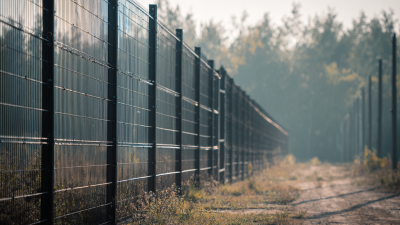
When considering fencing solutions, the choice of Palisade Fencing Panel is crucial for global buyers. These panels are renowned for their durability and security. Many feature strong, steel construction, making them a preferred option for commercial and residential properties alike. Their unique design creates a barrier that is difficult to breach while maintaining visibility.
However, not all Palisade Fencing Panels are the same. Buyers must navigate various options, styles, and materials. Some panels may be less robust than advertised, leading to potential concerns. It is essential to assess the manufacturer's reputation and seek reliable reviews.
Investing in palisade fencing is not just about aesthetics. The right panel can significantly enhance safety measures. Some buyers may overlook finer details, such as coating options or height specifications, which play a vital role. Understanding these elements can prevent costly mistakes. In this competitive market, informed choices are key to achieving long-lasting results.
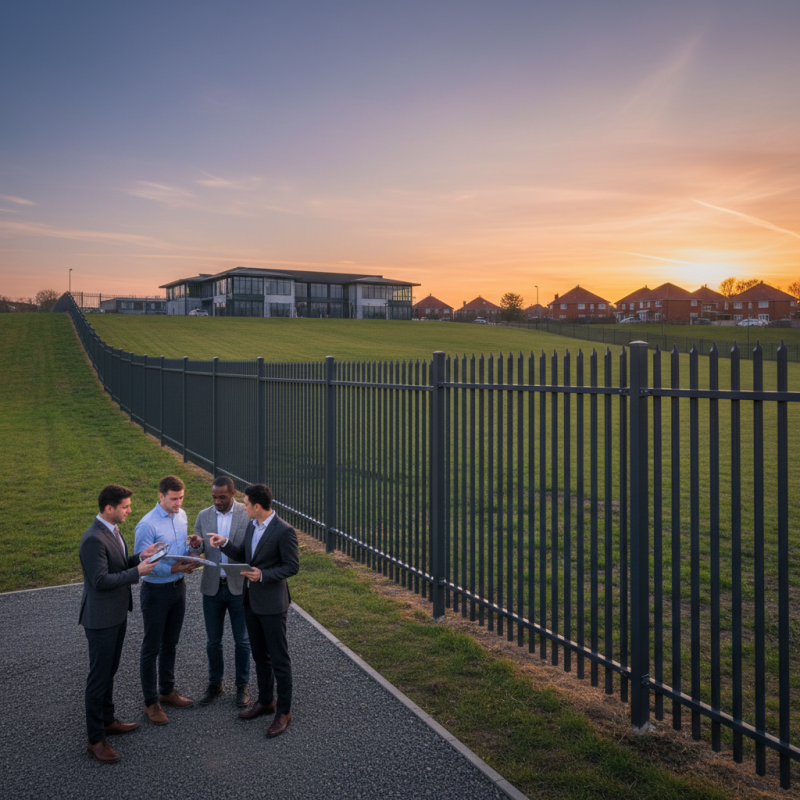
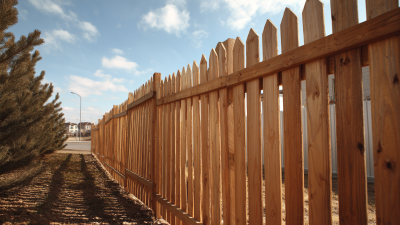
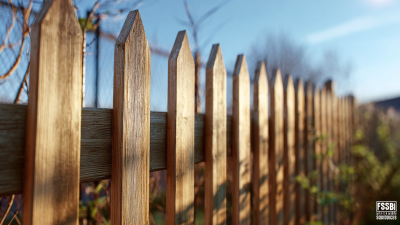
Palisade fencing panels come in various types, each designed for specific needs and environments. Common styles include traditional steel, which offers durability and strength, and electric palisade, known for its added security. Wooden alternatives are also available, providing a more aesthetic appeal, but with different maintenance requirements. Regardless of the type, palisade fencing is recognized for its resilience against harsh weather conditions.
When selecting a palisade fencing panel, consider the environment and purpose. Security-focused areas may benefit from higher, more robust panels. In contrast, lighter options may suffice for decorative fences in residential settings. Ensure that the chosen material complements local architecture and climate.
Tips: Always check local regulations before installation. Some regions may have guidelines on height or type. Additionally, consider investing in galvanized steel to prevent rust and enhance longevity. Regular maintenance helps in prolonging the lifespan of wooden panels, so be prepared for periodic checks. This proactive approach can save time and costs in the long run. Choosing the right type may seem overwhelming, but focusing on specific needs leads to better decisions.
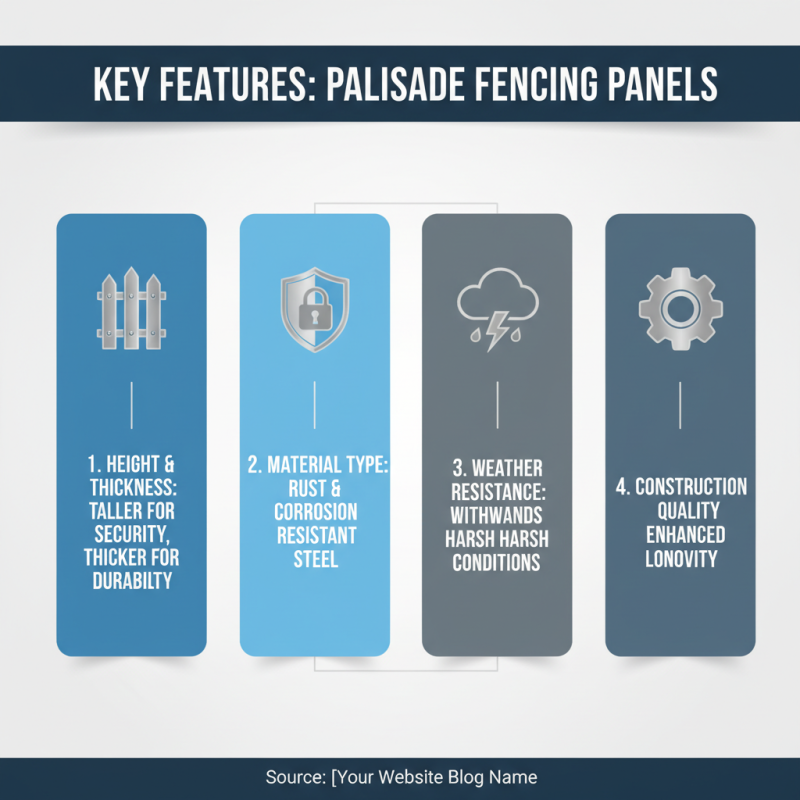
When selecting palisade fencing panels, several key features warrant attention. Height and thickness are crucial. Taller panels provide better security, while thicker materials enhance durability. Consider the types of steel used, as well-constructed panels resist rust and corrosion. Ensure that they can withstand harsh weather conditions.
Aesthetics matter too. Choose a panel design that complements your property’s architecture. The color should also align with your overall theme. However, striking a balance between visual appeal and functionality is essential. Some designs may look great but might lack strength.
Tips: Prioritize panels with a hot-dip galvanization finish for long-term protection. Regular maintenance checks can extend the lifespan of your fencing. When possible, consult local experts for insights into the best materials for your region.
Palisade fencing offers robust security for various applications, including commercial and residential properties. When comparing brands, factors like durability, design, and overall value come into play. Some manufacturers use high-quality steel for enhanced strength, while others may opt for lighter materials that compromise longevity.
One notable aspect is the range of finishes available. For instance, galvanized options resist rust but may not fit every aesthetic. Buyers often overlook the importance of a professional installation. Even the best panels can fail if improperly installed. User reviews frequently highlight the need for installation expertise.
Additionally, maintenance is a crucial factor. Some panels require periodic cleaning to maintain their appearance and functionality. Others are designed for minimal upkeep. Buyers should be aware that while low initial costs may seem appealing, they could lead to higher long-term expenses due to repairs or replacements.
Choosing the right fencing option involves assessing your specific needs and weighing the pros and cons of various products on the market.
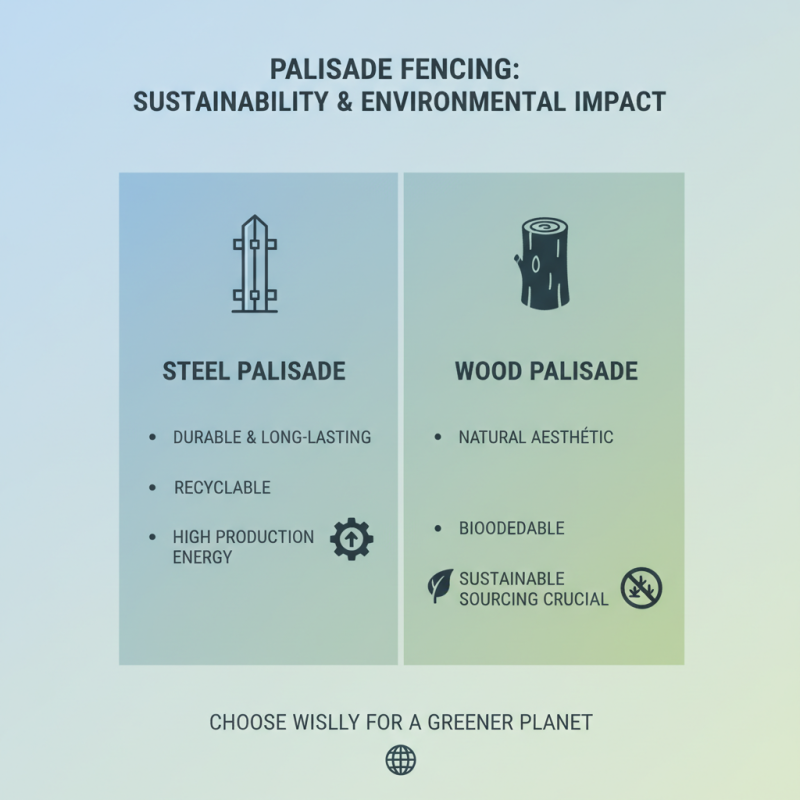
Palisade fencing is gaining popularity. Buyers should consider its environmental impact. The materials used in palisade fencing can vary significantly. Metal options, like steel, last long and are recyclable. However, the energy used in production can be high. Wooden options offer a natural look. Yet, sourcing wood sustainably is crucial to avoid deforestation.
When selecting palisade fencing, think about sourcing. Look for options made from recycled materials. Certified wood products minimize ecological footprints. Check for certifications that ensure responsible sourcing. Local suppliers often use less energy in transport. This small choice makes a big difference.
Tips: Always inquire about the origin of materials. Ask suppliers about sustainability practices. Be aware of different environmental impacts when choosing materials. Reflect on the long-term effects of your fencing choice. Balancing aesthetics with eco-friendliness requires careful thought.
When considering palisade fencing panels, cost is a key factor for global buyers. Pricing varies widely based on materials and local market conditions. For example, steel panels often cost more than wood panels. However, steel offers greater durability, which can justify the higher initial investment. Buyers should evaluate the long-term benefits against upfront costs.
Budgeting is another critical aspect. It's wise to plan for installation expenses, which can significantly impact the overall cost. Hiring professionals might be necessary, adding to the budget. However, DIY installation could reduce expenses if you have the right skills. It’s important to consider local regulations, too, as they can influence your choices and costs.
Reflecting on these factors is essential. If a buyer prioritizes initial savings, they may face higher maintenance costs later. Conversely, investing in high-quality panels upfront can save money over time. Ultimately, a balanced approach is crucial. Understanding the trade-offs in quality, cost, and longevity will lead to better purchasing decisions.