China Top Security Barbed Wire Suppliers for Global Buyers?
In the competitive landscape of security solutions, "Security Barbed Wire" plays a crucial role. Leading industry expert, Dr. James Keller, asserts, "The effectiveness of Security Barbed Wire lies not just in its design but its applications." This reflects the diverse uses of barbed wire in both residential and commercial settings.
China stands out as a top supplier in the global market. With advanced production techniques, these manufacturers offer high-quality products. However, buyers should navigate the complexities of international trade carefully. Not every supplier meets rigorous safety and quality standards. It's vital for global buyers to conduct thorough research before making decisions.
The security landscape is evolving. As threats increase, the demand for effective barriers grows. Yet, challenges persist. Some products may not live up to expectations or fail under specific conditions. Buyers must stay informed about innovations and regulatory frameworks. This knowledge is essential for a successful procurement process in the security barbed wire industry.

China's Barbed Wire Production Capacity and Global Market Overview
China has established itself as a powerhouse in barbed wire production. In fact, recent industry reports indicate that its production capacity reached approximately 1.5 million tons in 2022. This impressive output positions China as a vital player in the global market for security fencing solutions. As concerns about safety and security rise worldwide, demand for barbed wire has surged, especially in regions experiencing geopolitical tensions.
The global market for barbed wire is expected to grow by 4.8% annually, driven by increasing infrastructure projects and security installations. Countries in Asia-Pacific and the Middle East are witnessing significant investments in security measures, enhancing the need for durable and reliable fencing products. Barbed wire is an effective solution due to its low cost and versatility.
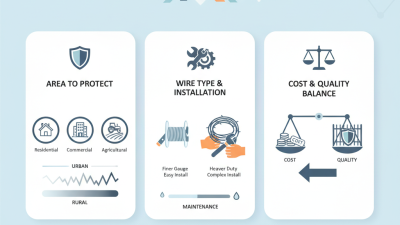
Tips: When sourcing barbed wire, consider factors beyond just price. Quality and sustainability are crucial. Ensure your supplier adheres to international standards. Don't overlook after-sales support; it can significantly impact your project's success.
Global Barbed Wire Production Capacity (2021-2023)
Key Players in China's Barbed Wire Manufacturing Industry
China's barbed wire manufacturing industry is a crucial player in global security supply chains. With a strong focus on quality and durability, many manufacturers have emerged as key contributors. These companies range from large factories producing high volumes to smaller workshops specializing in custom solutions. Their diverse offerings cater to various sectors, including agriculture, construction, and military applications.
Tips: When selecting a supplier, assess their quality certifications. Reliable products must meet international standards. Look for companies that provide detailed information about their manufacturing processes. Transparency in production increases trust and ensures safety for users.
Some manufacturers employ advanced technology to enhance production efficiency. This can lead to better products but may also raise concerns about environmental impacts. Sustainable practices are vital in today's market. Buyers should consider suppliers that prioritize eco-friendly materials and processes.
Overall, evaluating the capabilities of barbed wire suppliers in China requires careful research. Communication with potential partners can reveal much about their expertise. While the industry shows promise, there remain challenges in quality assurance that need addressing.
Export Trends of Barbed Wire: China’s Role in Global Supply Chains
China has established itself as a major player in the global barbed wire market. The manufacturing processes are efficient, yet some areas need improvement. The country exports vast quantities, meeting diverse needs worldwide. However, quality control can be inconsistent. This affects buyers who rely on sturdy and reliable products.
The demand for barbed wire has risen, driven by increased security needs. Agricultural fencing, military applications, and property protection fuel this growth. Yet, international buyers must navigate varying standards. They seek suppliers that adhere to stringent guidelines. This challenge highlights the importance of transparency in the supply chain.
Several Chinese suppliers lead the market, but not all maintain high quality. Some do not meet international certifications. This raises concerns about potential risks. Buyers should conduct thorough research before making commitments. It is essential to evaluate each supplier’s reputation and product history. Only then can international buyers ensure they are receiving the best quality barbed wire.
Quality Standards and Certifications in the Chinese Barbed Wire Sector
The Chinese barbed wire sector has gained attention for its quality standards and certifications. A key element in evaluating suppliers is their adherence to industry norms. Several organizations set benchmarks for product quality. These standards ensure that products meet safety and performance expectations.
Quality control processes are vital. Manufacturers often implement rigorous testing methods. This might include tensile strength tests and rust resistance evaluations. Compliance with local and international standards is essential for market access. However, not all suppliers consistently uphold these standards. Buyers must do their due diligence.
Obtaining certifications can be a lengthy process. Some manufacturers rush through this, resulting in compromised quality. Proper certifications signal reliability, yet the effectiveness varies. Buyers should inquire about specific certifications and recent audits. Understanding these aspects can lead to more informed purchasing decisions, fostering better business relationships globally.
China Top Security Barbed Wire Suppliers for Global Buyers
| Supplier Location |
Annual Production Capacity (tons) |
Quality Certification |
Export Experience (Years) |
Main Markets |
| Hebei Province |
50,000 |
ISO 9001, CE |
10 |
Southeast Asia, Europe |
| Shandong Province |
30,000 |
ISO 9001, SGS |
8 |
North America, Africa |
| Anhui Province |
40,000 |
ISO 9001, QMS |
5 |
Middle East, Oceania |
| Zhejiang Province |
25,000 |
ISO 9001, TUV |
12 |
South America, Asia |
Impact of Trade Policies on China's Barbed Wire Exports and Importers
Trade policies significantly impact China's barbed wire exports. The evolving global landscape can shape market access. Tariffs and import regulations often shift demand patterns. This can restrict Chinese suppliers' opportunities in various markets.
Recently, many countries reassessed their trade agreements. These changes can complicate export strategies for Chinese manufacturers. Such policies may create barriers, influencing costs and availability. Navigating these regulations requires adaptability. Suppliers need to stay informed about international compliance standards.
Simultaneously, importers face challenges. Sourcing from China may involve complex logistics. They must evaluate not just cost but also reliability. The interplay between trade policies and supplier dynamics requires deeper reflection. Companies should consider diversifying their supply chains to mitigate risks.