2026 How to Choose the Right 358 Anti Climb Fence for Security?
When selecting a security solution, the 358 Anti Climb Fence stands out as a top choice. According to security expert John Miller, “Choosing the right fence is crucial for preventing unauthorized access.” His insight highlights the importance of evaluating various factors before making a decision.
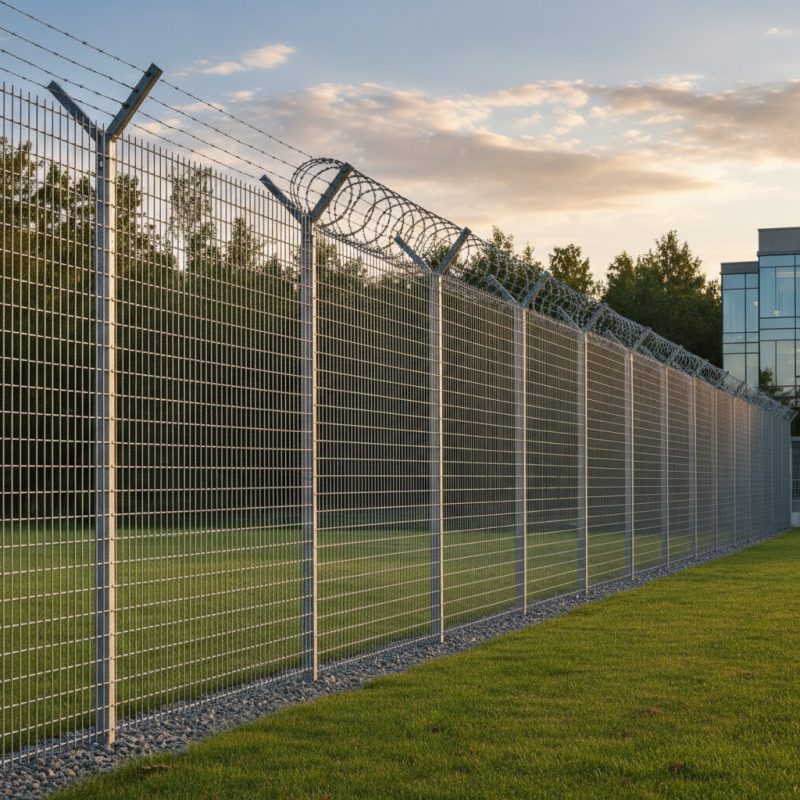
The 358 Anti Climb Fence features a unique design that deters climbing. With its tight mesh and sharp profiles, it presents a formidable barrier. Every detail matters; the height, gauge, and visibility play roles in overall security effectiveness. The choice might be overwhelming.
Many overlook maintenance and aesthetic concerns. An ideal fence should blend well with the surroundings while serving its purpose. Often, the most secure options may not always fit the desired visual appeal. Security choices are complex. The right 358 Anti Climb Fence can provide peace of mind if selected thoughtfully.
Understanding the Importance of Security Fencing
Security fencing plays a crucial role in protecting properties from unauthorized access. It establishes a physical barrier that deters intruders. A well-designed fence does more than just look good; it enhances safety and peace of mind. The right choice can significantly reduce the likelihood of break-ins and vandalism.
When selecting a 358 anti-climb fence, consider its design and materials. The small mesh openings make it difficult for anyone to gain a foothold. This feature is vital for high-security areas. Ensure the fence is properly installed and maintained. Even the best materials can falter if installation is poor. Regular checks can identify potential weaknesses.
Moreover, having a fence is just one aspect of security. Surrounding areas need attention too. Are there adequate lights? What about surveillance? Reflecting on these can highlight gaps in your security strategy. A fence alone may not guarantee safety. Engaging with security experts can provide insights into your specific needs.
Key Features of a 358 Anti Climb Fence
When selecting a 358 anti-climb fence for security, key features must be considered. The 358 fence is known for its robust construction. Its name comes from its dimensions: 3mm wire thickness, 58mm spacing, and a height of 2.4 meters. This design makes it incredibly difficult to climb or cut through. According to industry reports, the 358 fence significantly reduces the likelihood of intrusions by up to 70%.
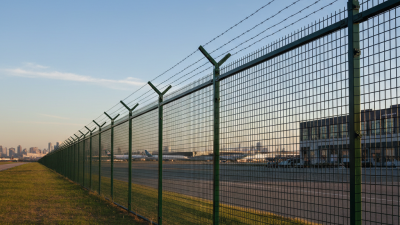
Another critical aspect is the fence’s visibility. The mesh pattern allows for clear sightlines, which deters intruders. A strong visual deterrent can be just as effective as physical barriers. Moreover, a fence that offers visibility is often preferred for monitoring purposes in high-security areas. Security experts suggest that integrating additional surveillance systems enhances the overall effectiveness of the anti-climb fence.
Tips to consider:
1. Assess the environment. A fence in a remote area may need additional reinforcement.
2. Evaluate the installation process. Professional installation can prevent future security gaps.
3. Think about aesthetics. A well-designed fence can enhance the property value while providing security.
Investing in a 358 anti-climb fence requires thoughtful planning. Ensure the specifications meet your security needs, but don’t overlook any potential drawbacks. Balancing security and practicality is essential for long-term effectiveness.
Key Features of a 358 Anti Climb Fence
Evaluating Material Options for Durability and Safety
When considering a 358 anti-climb fence, material selection is crucial for maximizing durability and safety. Various materials offer different levels of strength and resistance to wear. Steel and aluminum are top contenders. Steel, for instance, boasts a tensile strength of approximately 400-600 MPa. This makes it exceptionally tough against physical attacks.
That said, aluminum is lighter and resistant to corrosion. Its durability can fluctuate based on specific alloy types. A report from the National Institute of Standards and Technology indicates that fences made from galvanized steel can last over 25 years with minimal maintenance. Meanwhile, aluminum options may require more frequent checks for oxidation.
It’s vital to weigh these factors against your site’s unique needs. An attractive design might come at the expense of functionality. Remember, choosing a material also involves balancing cost with the anticipated lifespan. Sometimes, the cheapest option may not provide the security desired over time. Reflecting on these details ensures you make a well-rounded decision for your property's safety.
2026 How to Choose the Right 358 Anti Climb Fence for Security?
| Material |
Durability (Years) |
Corrosion Resistance |
Weight (kg/m²) |
Safety Rating |
| Galvanized Steel |
25 |
High |
7 |
A |
| Stainless Steel |
30 |
Very High |
10 |
A+ |
| Vinyl Coated Steel |
20 |
Moderate |
6 |
B |
| Aluminum |
15 |
High |
5 |
B+ |
| Composite Fencing |
20 |
Moderate |
4 |
B |
Maintenance Tips for Long-lasting Fence Performance
Maintaining a 358 anti-climb fence is crucial for its longevity.
Regular inspections are a good start. Look for any signs of wear or damage.
Rust can form in unexpected places.
Keep an eye on joints and fasteners. These areas are often overlooked but can lead to bigger problems.
Cleaning is essential for performance. Remove debris and dirt regularly.
A simple pressure wash can work wonders. Pay attention to any sharp edges.
They could pose a safety risk.
If you notice any rough patches, consider smoothing them out with a tool designed for fencing.
Weather can take a toll on your fence. Protective coatings can help here.
Consider applying them every couple of years. This step might seem tedious, but it's worth it.
Reflect on your fencing needs and environment. Adapt your maintenance routine accordingly.
Strong fences require effort and care, but they pay off in security.