How to Choose Rockfall Barrier Netting for Maximum Safety and Protection?
When dealing with natural landscapes, safety is crucial. Rockfall Barrier Netting serves as an essential defense. This protective solution minimizes risks from falling rocks and debris. Choosing the right netting can significantly impact safety.
Key factors influence your choice of Rockfall Barrier Netting. Different terrains require specific materials and designs. For example, steep slopes may need stronger or more durable netting. It’s important to assess environmental conditions that affect performance.
Relying on standard options can lead to insufficient protection. Each site presents unique challenges. Therefore, careful consideration is paramount for optimal safety. Understanding these details enables informed decisions that can save lives.
Factors to Consider When Selecting Rockfall Barrier Netting
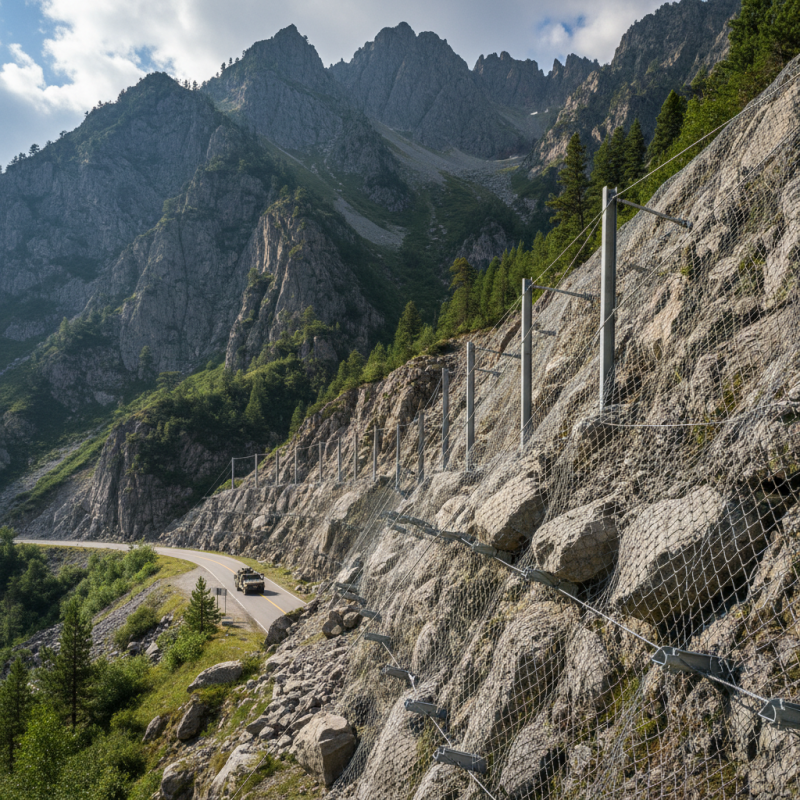
Choosing the right rockfall barrier netting is crucial for ensuring safety. Several factors can significantly influence your decision. First, understand the environment where the netting will be installed. The terrain can affect how well the netting performs. For instance, steep slopes may require more robust materials to withstand the pressure from falling debris.
Next, consider the mesh size and type. A smaller mesh can prevent rocks from passing through, but it may also increase wind resistance. It's essential to strike a balance between protection and practicality. Material durability is also vital. Different materials have varying lifespans, and some may degrade faster due to environmental factors.
Moreover, installation is not always straightforward. Poor installation can lead to netting failure. Many people overlook this aspect, believing that purchasing high-quality netting guarantees safety. Reflecting on previous installations can help identify common pitfalls. Investing time in understanding these factors ensures that you select the best rockfall barrier netting for your needs.
Different Types of Rockfall Barrier Netting Materials Explained
Choosing the right rockfall barrier netting is crucial for safety. Different materials offer varying levels of strength and durability.
Steel wire netting is often used for its robust construction. It's resistant to corrosion and can handle heavy impacts. However, it can be expensive and may require more maintenance.
Polyester netting is another option. This material is lightweight and easier to install. It also performs well under tension. However, its resistance to UV rays may not be as good as steel.
Over time, it can degrade when exposed to sunlight. There’s a trade-off between weight and longevity.
Lastly, nylon netting provides flexibility. It stretches well, absorbing shock effectively.
However, it may not be suitable for areas with frequent rockfalls. Choosing the right material depends on specific conditions, such as terrain and climate. Knowing the advantages and downsides of each type is essential for making an informed decision. Understanding these factors can keep the project safe.
Evaluating the Environmental Conditions for Barrier Netting Installation
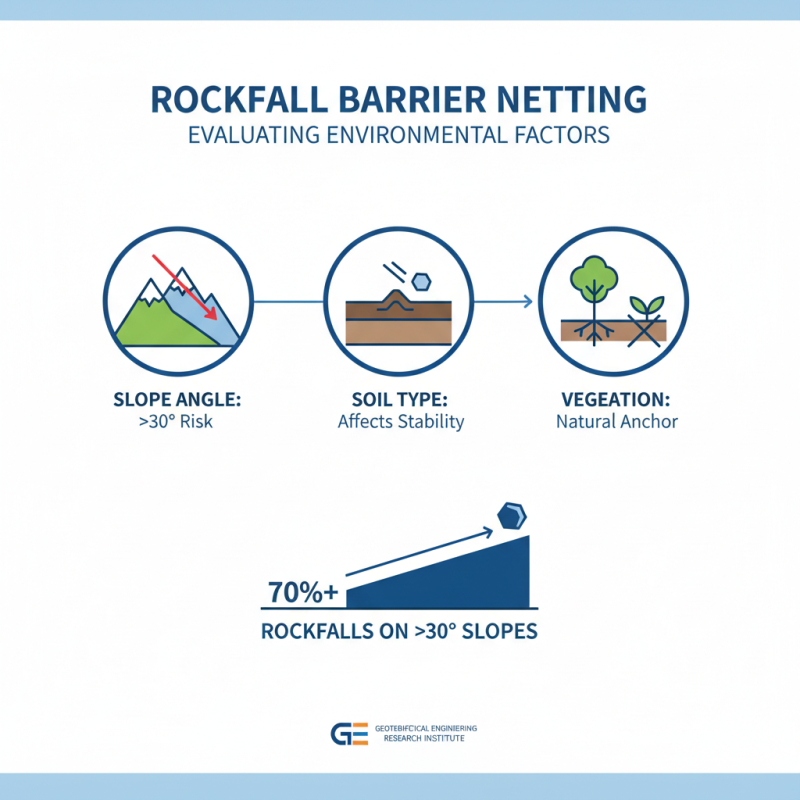
When selecting rockfall barrier netting, it’s crucial to evaluate environmental conditions. Each site presents unique challenges, affecting performance. Factors like slope angle, soil type, and vegetation play significant roles. For example, steep terrain increases the risk of rock movement. A report by the Geotechnical Engineering Research Institute notes that over 70% of rockfalls occur in areas with slopes exceeding 30 degrees.
Climate is another vital consideration. Regions with heavy rainfall or snow make barriers more susceptible to erosion. According to the International Journal of Rock Mechanics, barriers in wet climates need to be designed with drainage features to avoid accumulation. A proactive assessment of these conditions ensures better longevity and effectiveness of barrier netting.
Tips: Prioritize sites with stable geology. Inspect the area during different seasons to understand changing conditions. Engage with local experts for insights. Remember, an adequate design isn’t just about strength; it also involves understanding how natural forces interact with the installation. Ensure to assess weather patterns over several years before finalizing the design. This can prevent potential failures and costly repairs.
Assessing Safety Standards and Compliance for Rockfall Netting
When selecting rockfall barrier netting, safety standards are crucial. They ensure the netting can withstand falling rocks and debris. Reviewing compliance with international standards is vital. This includes assessing the material's durability and tensile strength. A reliable netting must pass rigorous testing to confirm its effectiveness.
Installation procedures should also meet safety protocols. Poor installation can lead to netting failure, exposing areas to danger. It's essential to involve trained professionals in the process. Some projects overlook this, risking the integrity of the installation. Additionally, regular maintenance checks are needed. Wear and tear can compromise safety over time.
Finally, consider the specific environment. The type of terrain affects the netting's performance. Slopes with loose rocks require robust solutions. Ignoring this aspect may lead to accidents. We must reflect on our choices carefully. Are we prioritizing safety in our decisions? This is a crucial area for improvement.
How to Choose Rockfall Barrier Netting for Maximum Safety and Protection?
| Criteria |
Description |
Safety Standard |
Compliance Certification |
| Material Quality |
Durable and weather-resistant materials that can withstand harsh conditions. |
ISO 9001 |
CE Mark |
| Load Capacity |
Ability to hold back rocks of varying sizes and weights. |
ASTM D5481 |
FCC Certification |
| Installation Method |
Proper installation techniques to ensure maximum effectiveness and safety. |
EN 12619 |
ISO 14001 |
| Maintenance Requirements |
Regular inspection and maintenance schedules to ensure functionality. |
NFPA 701 |
OSHA Compliance |
Cost Analysis: Budgeting for Rockfall Barrier Netting Solutions
When budgeting for rockfall barrier netting, consider initial costs and long-term maintenance. The installation expense can vary significantly. Factors such as terrain, netting materials, and required engineering play a role. Some sites may require specialized designs that increase upfront costs. Analyze the quotes you receive carefully; lower prices might mean compromising quality or safety.
Ongoing costs are also a concern. Regular inspections are crucial to ensure the netting's integrity. Neglecting these could lead to increased future expenses. Scaling back on maintenance might seem economical, but ignoring potential issues can lead to catastrophic failures.
It’s vital to weigh these costs against the risks of inadequate protection in rockfall-prone areas. Each site presents unique challenges. Assessing the budget carefully can help in making informed decisions.