What is a Concertina Border Fence and How Does it Work?
The Concertina Border Fence is a formidable barrier designed to enhance border security. It is often composed of razor wire coiled into a spiral, making it difficult to breach. Industry reports indicate that these fences can deter illegal crossings effectively. For instance, some jurisdictions have seen a 40% reduction in unauthorized border entries after installation.
This type of fence not only provides physical security but also incorporates psychological deterrents. The visible threat of injury often discourages would-be trespassers. However, the effectiveness of a Concertina Border Fence isn't without debate. Critics argue that walls create divisions and do not address the root causes of migration. Many wonder if these measures lead to long-term solutions or merely temporary fixes.
As nations grapple with border control, the design and implementation of Concertina Border Fences warrant reflection. Are they truly effective in fostering security, or do they aggravate tensions? Understanding this balance is crucial as countries navigate the complexities of national security and human rights.
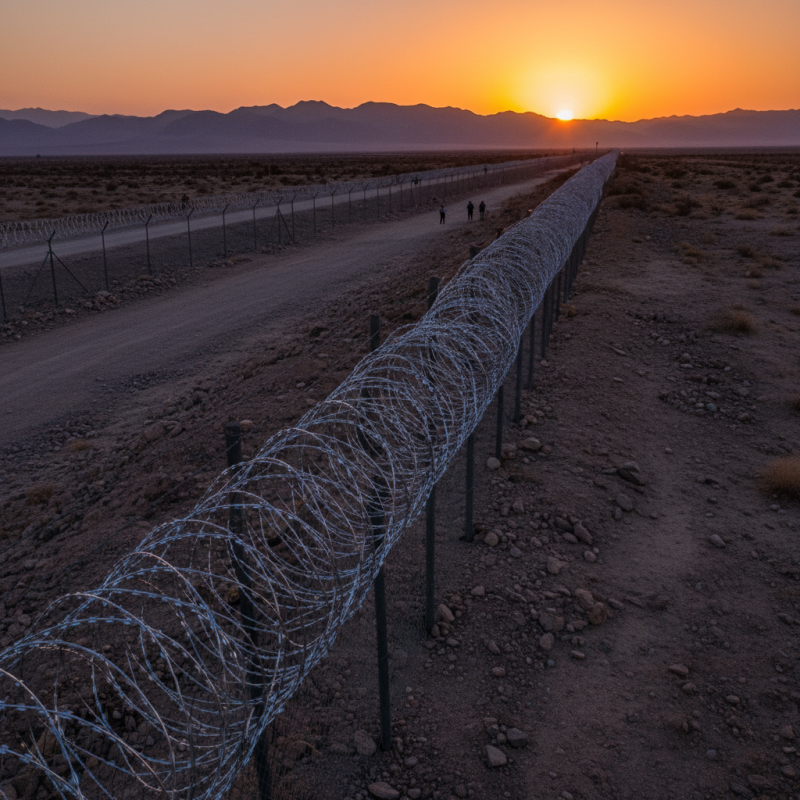
What is a Concertina Border Fence? Definition and Overview
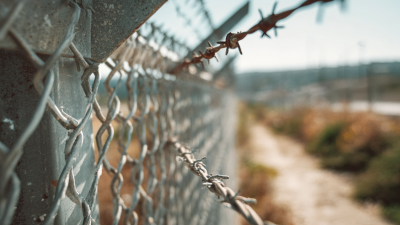
A concertina border fence is a type of security barrier designed for protecting perimeters. It consists of tightly coiled barbed wire, providing an added layer of deterrence. These fences are often deployed along national borders, high-security areas, and restricted zones. The sharp barbs can inflict injury, making it challenging for trespassers to cross.
According to a report from the International Border Security Consortium, concertina fences can reduce illegal crossings by up to 75%. This increase in effectiveness has made them popular in various regions worldwide. However, critics argue that such fences can have adverse effects on wildlife and ecosystem integrity. Birds and other animals may become entangled, leading to significant ecological concerns.
The installation of concertina fencing requires careful planning. The physical impact on both the landscape and the local communities must be considered. While these fences offer a strong physical deterrent, they also highlight a need for better approaches in border management. Engaging in a dialogue about creative solutions is essential. Balancing security with environmental and social responsibility poses ongoing challenges in this field.
Historical Development of Concertina Wire Fences in Border Security
The historical development of concertina wire fences reveals their strategic importance in border security. Initially designed for military use, concertina wire has evolved into a key element in various security measures. This type of fence uses sharp, coiled wire, making it a deterrent to unauthorized crossings. The physical barrier is both intimidating and practical.
In the early 20th century, concertina wire found its way into civilian applications. Many countries began adopting these fences to manage border security. The design is simple yet effective. Its deployment can be seen in various regions, highlighting differing approaches to border control. While effective, the moral implications of using such barriers can lead to extensive debates. Are they humane? Are they the best solution?
Over time, these fences have faced criticism. The need for security sometimes overshadows the need for compassion. Some argue that concertina fences can add to tension rather than reduce it. Balancing security with humane treatment is a challenge. As nations assess their border strategies, the role of concertina wire fences remains a point of reflection and discussion.
Mechanisms of Operation: How Concertina Fences Function
Concertina border fences serve as a crucial line of defense. They are designed to deter unauthorized access to secure areas. These fences consist of razor wire coiled in a spiral shape. When deployed, they create a barrier that's difficult to penetrate. According to a recent industry report, these fences can reduce unauthorized crossings by over 70%. Their sharp edges and sturdy materials enhance their effectiveness.
The operational mechanism is straightforward yet efficient. When someone approaches the fence, they will face an immediate threat from the coils. Each concertina section expands to up to three meters in diameter, making it challenging to navigate around. Studies show that the visual deterrent also plays a pivotal role. Just sighting a concertina border fence can dissuade potential intruders. Despite their effectiveness, there's room for improvement in material durability and installation techniques.
Operational challenges exist, too. Weather conditions can affect the fence's integrity over time. Regular maintenance is essential to ensure long-term effectiveness. While concertina fences are effective, continuous evaluation is needed to adapt to evolving security threats. This blend of strong deterrence with a need for reflection on operational efficiency underscores the dual nature of security measures.
What is a Concertina Border Fence and How Does it Work?
| Feature |
Description |
Mechanism |
Applications |
| Design |
Conical spiral shape that easily expands and contracts. |
Utilizes sharp barbed wire interwoven in a spiral arrangement. |
Used in military and security applications for perimeter control. |
| Material |
Typically made from galvanized steel for durability and resistance. |
Resistant to weathering and corrosion. |
Applicable in various terrains and climates. |
| Height |
Available in various heights depending on security needs. |
Height can be adjusted based on installation requirements. |
Serves in border control and wildlife protection. |
| Installation |
Relatively easy to install with minimal equipment. |
Can be deployed rapidly in various locations. |
Used in emergency situations for quick security. |
Comparative Analysis: Effectiveness of Concertina Fences vs. Other Barriers
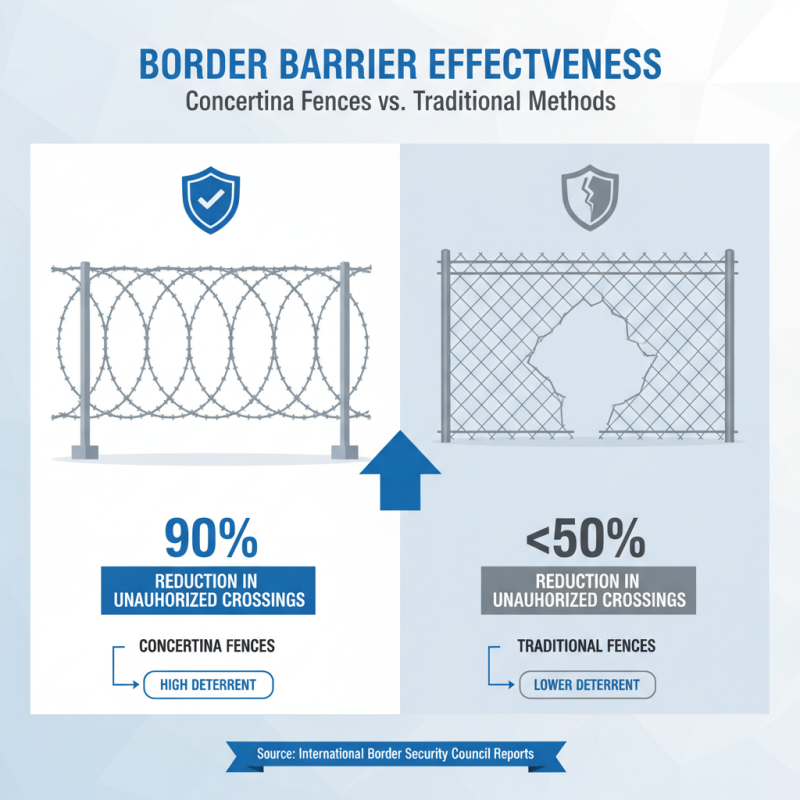
Concertina border fences are gaining attention for their effectiveness in deterring unauthorized crossings. These fences consist of coiled barbed wire that can be deployed quickly. According to recent reports, such as those from the International Border Security Council, concertina fences can reduce unwanted entry by up to 90% in tested areas. This dramatic decrease highlights their utility compared to traditional fencing methods, which often lack the same level of deterrent force.
When comparing concertina fences to other barriers, differences in effectiveness become clear. For instance, some rigid walls may offer physical protection, yet they can be scaled or tunneled under. Concertina fences, on the other hand, present a formidable challenge due to their sharp edges and entangling design. A report from the Border Security Analysis Group noted that regions using concertina fencing observed not only reduced crossings but also lower maintenance costs due to their simple, durable nature.
However, the implementation of concertina fences is not without concerns. Critics argue about potential harm to wildlife and the environment. Additionally, some communities report feeling unsafe, citing that such barriers can escalate tensions. These factors warrant careful consideration, indicating that while effective, concertina fences must be used thoughtfully and responsibly.
Industry Data: Cost and Maintenance of Concertina Border Fences
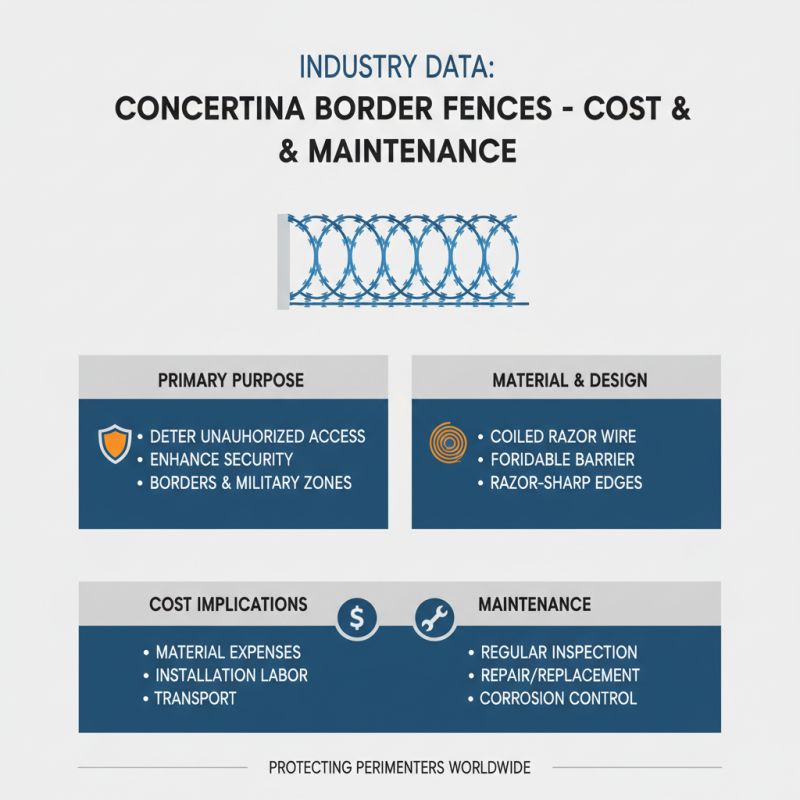
Concertina border fences are designed to deter unauthorized access to restricted areas. They consist of coiled wire that forms razor-sharp edges. This makes them a formidable barrier. The primary purpose is to enhance security in various settings, including borders and military zones.
The cost of installing a concertina border fence varies significantly based on several factors. Material quality and length are critical. On average, installation can range from a few dollars to over twenty dollars per foot. Maintenance plays a crucial role in the total expense. Regular checks for wear and tear are essential. Neglecting maintenance can lead to increased costs in the long run.
While concertina fences provide security, there are challenges. They may not be effective against determined intruders. Environmental factors can also impact their durability. Over time, rust or environmental wear can compromise effectiveness. Decision-makers must weigh these considerations carefully. The balance between cost, maintenance, and effectiveness is often complex, requiring ongoing evaluation.