How to Effectively Use Hexagonal Gabion Cages in Landscape Design?
Hexagonal Gabion Cages have gained significant attention in landscape design. Expert John Smith, a renowned landscape architect, states, “These cages redefine space and enhance ecological balance.” His insight highlights their versatile applications.
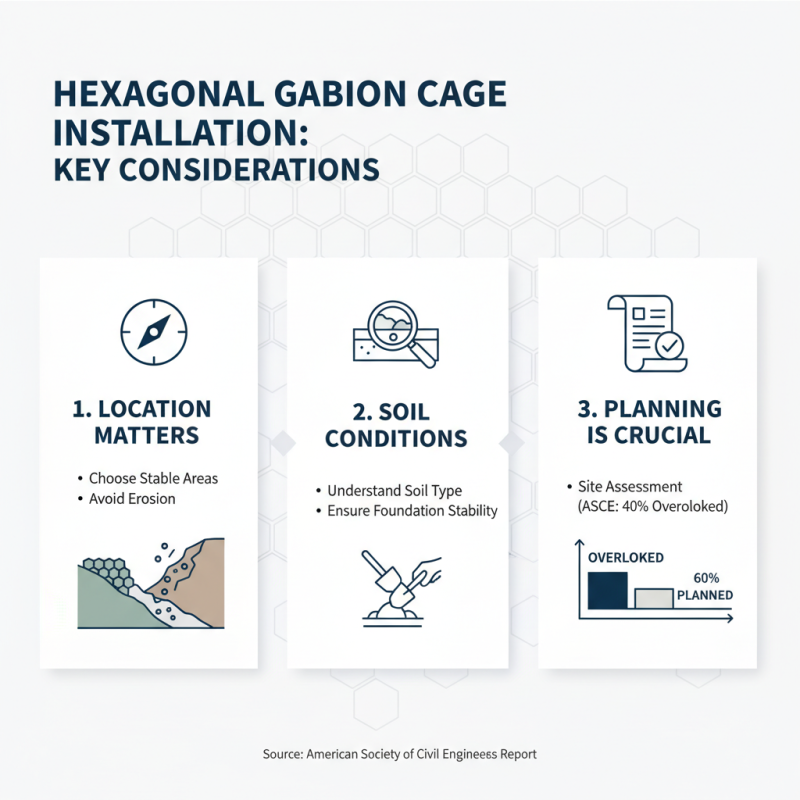
In design, Hexagonal Gabion Cages serve as both functional and aesthetic elements. They can stabilize slopes, define spaces, and control erosion effectively. Their open structure allows plants to grow, fostering biodiversity. However, not every application is perfect. Some designs struggle with drainage issues or soil saturation.
Moreover, choosing the right materials is crucial. Corrosion can compromise durability over time. Observing how local conditions affect these cages helps make informed decisions. In essence, Hexagonal Gabion Cages offer endless possibilities, yet require thoughtful planning.
Introduction to Hexagonal Gabion Cages in Landscape Design
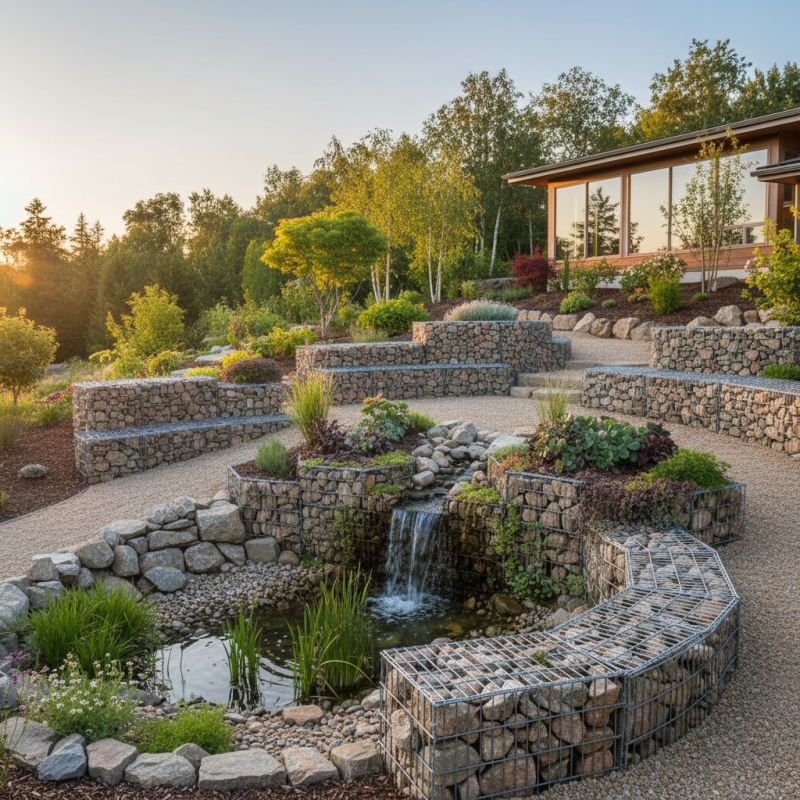
Hexagonal gabion cages are gaining popularity in landscape design. They combine functionality with aesthetics. These structures are often filled with stones or other natural materials, adding unique textural elements to gardens and parks. Additionally, they serve practical purposes like erosion control and retaining walls.
When using hexagonal gabion cages, consider their placement. They can create stunning focal points or serve as borders.
Be mindful of their size—too large can overwhelm a space, while too small may lack impact. It’s essential to select materials that blend well with the natural surroundings.
Color and texture can dramatically influence how the space feels.
Tips:
- Combine different sizes of gabion cages for an interesting layout.
- Experiment with various filling materials like gravel or plants.
- Keep in mind that a uniform look can seem monotonous.
- Strive for a balance between planned order and organic growth.
- Use a well-thought-out color palette to enhance the overall design.
- While these cages are durable, be cautious of their placement near water sources; erosion could still occur if not managed properly.
Benefits of Using Hexagonal Gabion Cages in Landscaping Projects
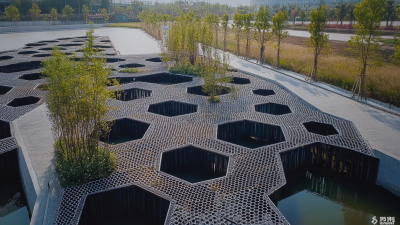
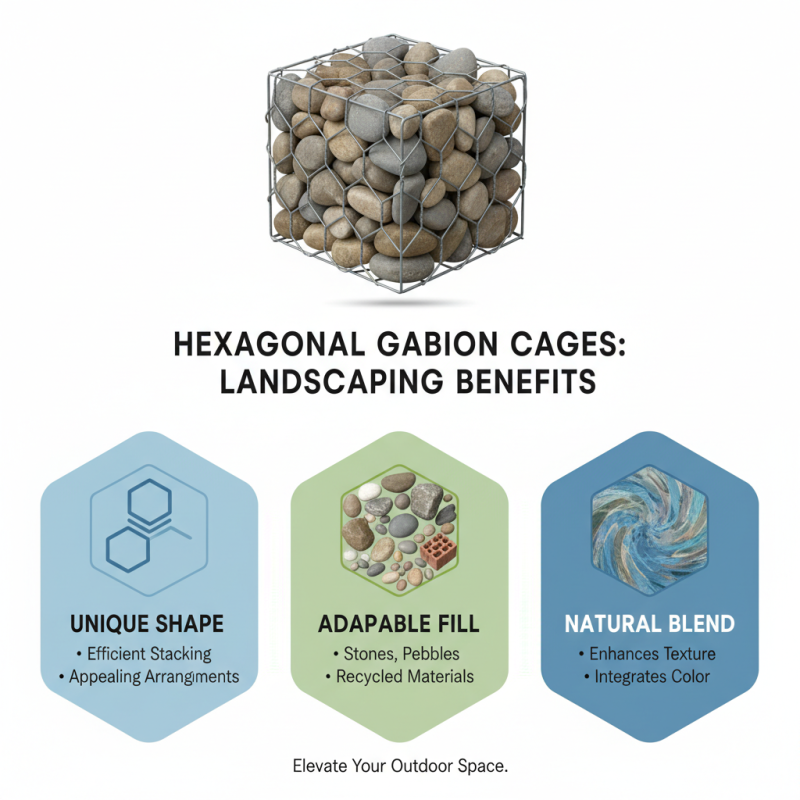
Hexagonal gabion cages are gaining popularity in landscaping for several reasons. Their unique shape allows for efficient stacking, creating visually appealing arrangements. They can be filled with stones, pebbles, or even recycled materials. This adaptability helps blend structures into the natural surroundings. Many designers appreciate their ability to enhance the texture and color of outdoor spaces.
Using hexagonal gabion cages also addresses environmental concerns. They can promote natural drainage, which prevents water pooling in gardens. This feature can help sustain plant life during heavy rains. Moreover, they support local wildlife by creating habitats. By intentionally placing these cages in strategic locations, designers can promote biodiversity.
However, not all projects benefit from their use. Some landscapes may demand softer, more organic shapes. Maintenance considerations might also arise; plants can grow in and around the cages. This could create a problem if not managed properly. Ultimately, the decision to use hexagonal gabion cages requires careful thought, balancing aesthetics, functionality, and environmental impact.
Creative Design Ideas for Integrating Gabion Cages into Landscapes
Hexagonal gabion cages offer unique design opportunities in landscaping. Their geometric shape can create eye-catching features. Using these structures, you can build walls, seating areas, or planters. For instance, incorporating vibrant flowers into the cages can soften their appearance. Each cage can be filled with stones of different colors, adding a playful touch.
Consider using hexagonal gabion cages as a boundary marker for gardens. Position them near paths or at entry points. This natural texture can complement greenery beautifully. However, be cautious with scale. Too many cages can overwhelm a space. Aim for balance to maintain harmony in the design.
You might find that filling them with organic materials like soil or moss adds interest. But, this can require upkeep. Reflect on whether you want the natural growth or prefer the clean look of stones. Designing with gabion cages is a chance to experiment. Allow for adjustments as plants grow and seasons change, embracing the evolving landscape.
Maintenance Tips for Long-lasting Hexagonal Gabion Structures
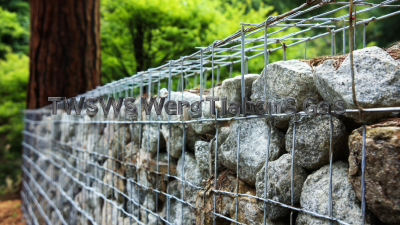
When it comes to maintaining hexagonal gabion cages, routine checks are essential. Make time to inspect the mesh and stones regularly. Look for any signs of erosion or rust. Even small issues can lead to bigger problems if neglected. You might missed a loose stone or a bent wire. Pay attention to these details.
Cleaning your gabions can greatly enhance their lifespan. Use a gentle pressure wash to remove dirt or algae. This process keeps them looking fresh and prevents water retention. In some cases, the stones may shift. Consider the design and adjust as needed. Some empty spaces can look neglected.
Protecting your gabion structures is also crucial. Add plants around them to reduce erosion. This softens the overall look and adds a natural element. Consider using permeable fabrics to keep the stones in place. Watch for weeds, as they can disrupt the aesthetic. Regular pruning can help maintain the intended layout. Keep an eye on the overall structure and make adjustments as necessary.
How to Effectively Use Hexagonal Gabion Cages in Landscape Design? - Maintenance Tips for Long-lasting Hexagonal Gabion Structures
| Aspect |
Details |
| Material Choices |
Galvanized Steel, Stainless Steel, and Plastic Coated |
| Common Uses |
Retaining Walls, Erosion Control, Decorative Features |
| Maintenance Frequency |
Every 6-12 months |
| Maintenance Tips |
Inspect for rust, Check drainage, Clean debris |
| Design Considerations |
Location, Size, Surrounding Landscape |
| Environmental Impact |
Minimal, Supports local flora and fauna |
| Cost Considerations |
Initial setup cost versus long-term durability |