How to Apply Powder Coating for Durable Finishes?
Powder coating is a popular method for achieving durable finishes on various surfaces. This process uses fine particles of pigment and resin. When heated, these particles melt and form a tough, protective layer. The result is a strong, resilient surface that can withstand wear and tear.
Applying powder coating effectively requires careful preparation. The surface must be clean and free of contaminants. Any imperfections can lead to flaws in the final finish. Additionally, the application technique is crucial. A consistent application ensures even coverage and smooth results. However, not all attempts may be perfect. Mistakes can happen, leading to uneven surfaces or missed spots.
In learning how to master powder coating, reflection is essential. Consider what went wrong in previous attempts. Each experience teaches valuable lessons for future applications. Embracing these challenges can lead to improvement and better outcomes. With practice, the artistry of powder coating can be refined, yielding remarkable finishes.
Understanding Powder Coating: Definition and Benefits
Powder coating is a process that applies a dry powder to surfaces, allowing for a tough and resilient finish. This method is praised for its durability and environmental benefits. According to a study by the Powder Coating Institute, powder coatings emit significantly less volatile organic compounds (VOCs) compared to traditional liquid coatings. This makes them safer for both the environment and human health.
The durability of powder coatings is notable. They resist chipping, scratching, and fading under UV exposure. Research shows that powder-coated surfaces can last up to 20 years without significant deterioration, depending on conditions. However, improper application can lead to flaws like uneven surfaces or peeling. This highlights the importance of proper technique and practice.
Leveling and curing are crucial for achieving a smooth and lasting finish. The right temperature during curing is essential; too high can burn the coating, while too low may lead to incomplete curing. Each application should be tested and refined to ensure optimal results. Different substrates may react differently, emphasizing the need for careful preparation and consideration of surface materials.
Durability Comparison of Different Finishing Methods
Essential Materials and Equipment Needed for Powder Coating
Applying powder coating can provide exceptional durability to various surfaces. To start, you'll need some essential materials and equipment.
A powder coating gun is a must-have. This device helps to spray finely ground powder onto the surface. It's crucial to choose a high-quality gun to ensure a good finish.
A compressor is also necessary. It supplies air pressure and helps in atomizing the powder. Make sure you use a compressor that can handle the required pressure levels for optimal results.
Another key item is a curing oven. This oven heats the coated item, allowing the powder to melt and adhere properly. It's important that the oven reaches the right temperature, usually around 350°F.
Safety gear is often overlooked but is equally important. Goggles and masks protect against powder inhalation and particles getting into your eyes. A well-ventilated area is also important for safe application.
While these materials help achieve a fantastic finish, remember that practice matters. You may encounter issues with uneven coverage or bubbling. Learning from these mistakes is part of the process.
Step-by-Step Process of Applying Powder Coating
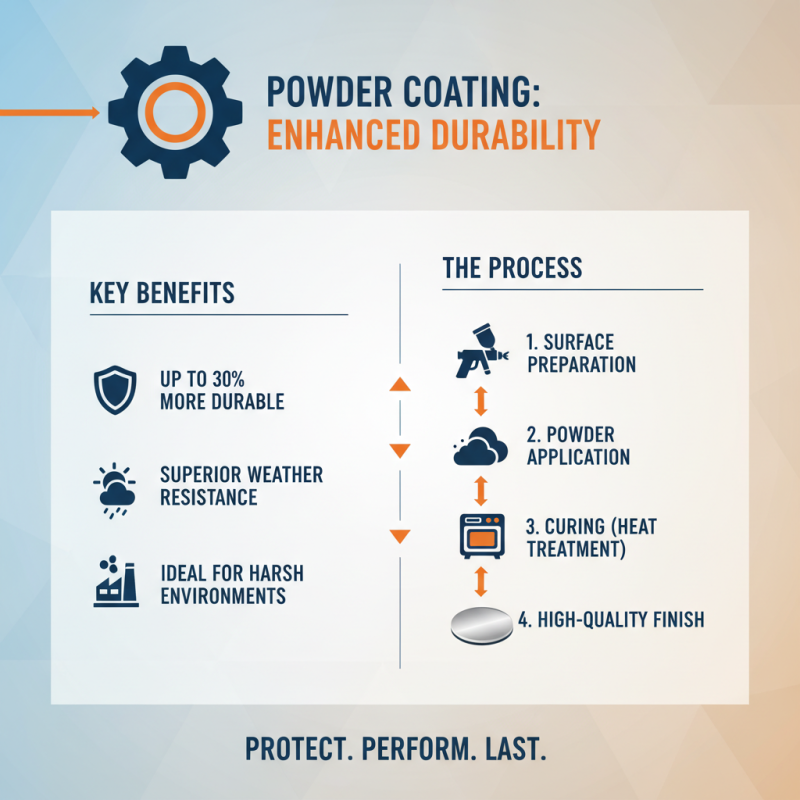
Applying powder coating involves a careful, step-by-step process to ensure a durable finish. Start by preparing the surface. Clean the metal thoroughly to remove dirt, grease, and rust. Use a sandblaster or wire brush for tougher spots. A clean surface is crucial for adhesion. Don't underestimate this step; a poor prep can lead to chipping later.
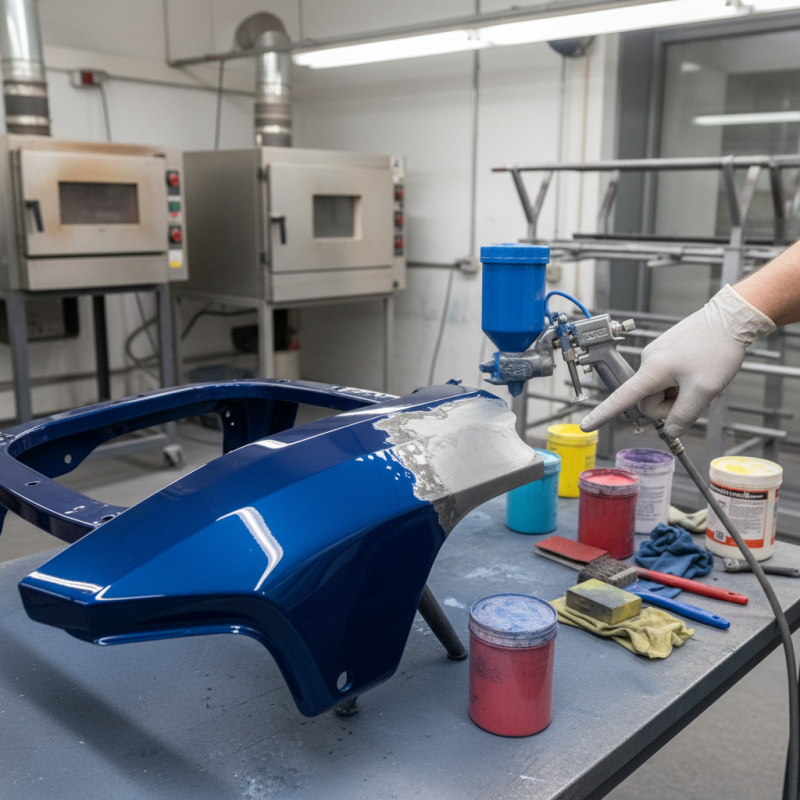
Next, apply the powder. Use an electrostatic spray gun for smooth and even coverage. Keep the gun at the right distance from the surface. Too close can result in runs; too far can lead to uneven thickness. After application, inspect for missed spots. Touch them up before curing. Once satisfied, cure the powder in an oven at the specified temperature. Proper curing is essential for durability. Watch the time closely; overcooking can lead to discoloration.
Cooling is the last crucial step. Let the coated item cool naturally. Do not rush this process. It may be tempting to expedite cooling with fans, but this can cause defects. Reflect on your technique as you work. Each project can teach you something, and improvement comes with practice.
Tips for Achieving a Durable and High-Quality Finish
Applying powder coating can significantly enhance the durability of various surfaces. To achieve a high-quality finish, understanding the process and its nuances is crucial. Industry reports indicate that properly applied powder coatings can increase metal protection by up to 30% compared to traditional paints. This makes it an ideal choice for outdoor applications and machinery exposed to harsh environments.
One key tip for achieving a durable finish is to ensure proper surface preparation. Cleaning the substrate thoroughly is essential. Remove any grease, rust, or old paint. A clean surface helps the powder adhere better, which is vital for long-lasting results. Utilize abrasive blasting or chemical cleaning as needed for challenging surfaces.
Another important factor is the curing process. The temperature and time must be carefully monitored during the curing phase. Industry standards recommend curing at specific temperatures for a designated duration to achieve optimal hardness and durability. Inadequate curing can lead to a finish that chips or peels easily, highlighting the need for meticulous attention. Testing small batches can also help identify the best combinations of time and temperature before proceeding on a larger scale.
Common Mistakes to Avoid in Powder Coating Application
When applying powder coating, avoiding common mistakes is crucial for achieving durable finishes. One prevalent issue is improper surface preparation. Studies show that over 70% of coating failures come from inadequate cleaning. Oil, dirt, or oxidation can lead to adhesion problems. Before applying powder, ensure the surface is free from contaminants.
Another mistake is incorrect application thickness. The ideal thickness for powder coating is typically between 2 to 5 mils. If it’s too thick, the finish may crack. If it’s too thin, it might chip easily. Consider using a mil gauge to measure accurately.
Tips: Always follow a consistent process. Rushing can lead to uneven application. Pay attention to the curing time and temperature. Insufficient curing can weaken the coating. Regularly calibrate your equipment, too. Even slight inconsistencies can lead to issues. Adjust settings based on environmental conditions, as humidity and temperature can significantly impact the outcome. The goal is to create a flawless finish, but pinholes and orange peel effects can arise if you’re not careful. Always strive for improvement.
How to Apply Powder Coating for Durable Finishes? - Common Mistakes to Avoid in Powder Coating Application
| Common Mistakes |
Impact of Mistake |
Recommended Solution |
| Inadequate Surface Preparation |
Poor adhesion and finish quality |
Thoroughly clean and degrease the surface before coating |
| Incorrect Powder Thickness |
Uneven coverage and potential for chipping |
Use the right equipment to ensure proper application thickness |
| Improper Curing |
Weak finish and reduced durability |
Follow manufacturer’s curing recommendations strictly |
| Humidity and Temperature Issues |
Bubble formation and finish defects |
Ensure proper environmental conditions during application |
| Using Expired Powder |
Inconsistent color and adhesion issues |
Check expiration date and replace old stock regularly |