Top 10 Hexagonal Gabion Cages for Global Buyers?
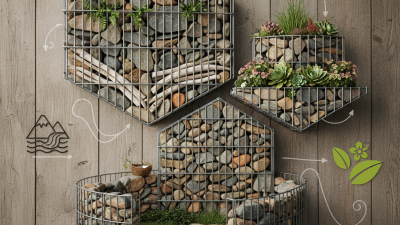
Hexagonal Gabion Cages have gained significant attention in the construction and landscaping industries. Renowned expert Dr. Emily Carter, a leading figure in geotechnical engineering, emphasizes their strength. She says, "Hexagonal Gabion Cages provide versatile solutions for sustainable construction." These cages are not just functional but also aesthetic, making them ideal for various applications.
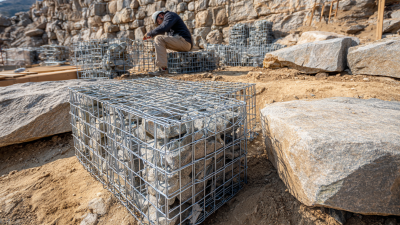
Designed for stability and drainage, Hexagonal Gabion Cages support soil while allowing water flow. This characteristic is crucial in preventing erosion in sensitive areas. They are widely used in riverbanks, retaining walls, and even decorative landscaping. However, their installation must be approached with care. Overlooking proper placement can lead to structural issues.
The demand for Hexagonal Gabion Cages continues to rise globally. Buyers should consider quality and manufacturer reliability. Selecting the right type is essential to ensure long-term stability. The industry is vast, and the choices can be overwhelming. Quality cages contribute to better environmental outcomes, but not all products are created equal. Reflecting on these factors will help in making informed decisions.
Key Features to Consider When Choosing Hexagonal Gabion Cages
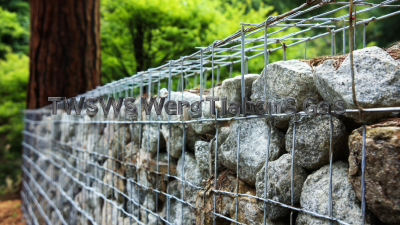
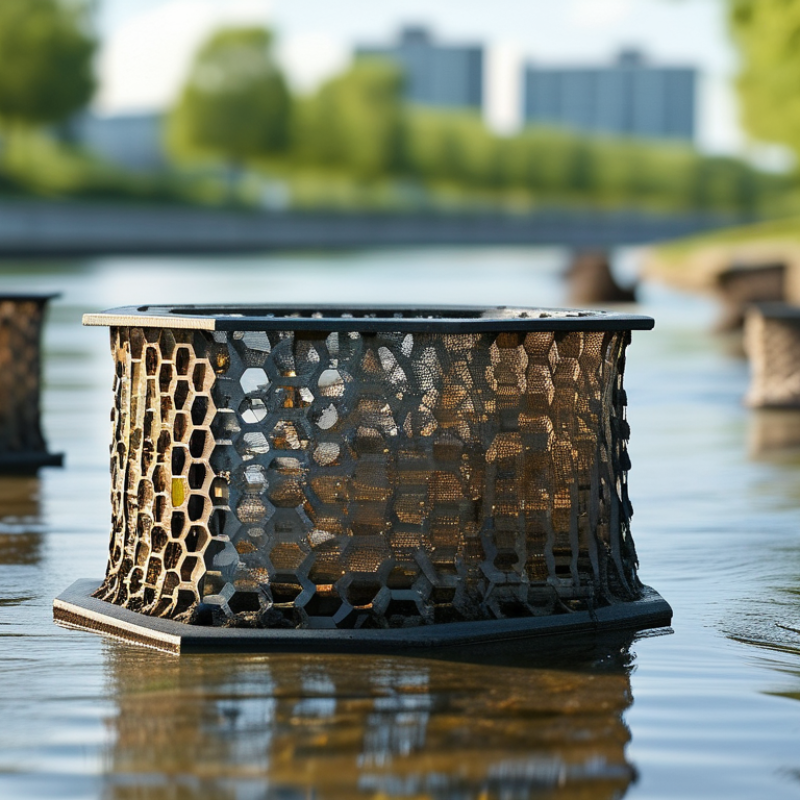
When selecting hexagonal gabion cages, consider key features that affect performance. The material is crucial. Look for cages made from durable, galvanized steel. Corrosion resistance is essential, particularly in wet conditions. The wire diameter also matters; thicker wires offer more strength and longevity.
Size and configuration are additional factors. Hexagonal cages come in various sizes, allowing customization based on your project needs. A cage that fits well can enhance stability. Consider the mesh size too; smaller openings can prevent soil loss while larger openings allow vegetation to thrive.
Tips: Always check the specifications. Inspect the welding quality, as poor welds may lead to structural failure. Lastly, consider potential environmental factors. Coastal areas may need more robust materials. Look for suppliers that provide reliable information and transparency in their products. Being informed helps prevent costly mistakes later on.
Top Manufacturers of Hexagonal Gabion Cages in the Global Market
Hexagonal gabion cages have gained significant popularity among global buyers for their durability and effectiveness in landscaping and construction projects. The market for these products is expanding, driven by increasing infrastructure needs. According to recent industry reports, the global hexagonal gabion market is expected to grow at a CAGR of 5.2% from 2023 to 2028.
Key manufacturers of hexagonal gabion cages focus on quality and innovation. Many producers prioritize sustainable sourcing of materials, addressing environmental concerns. However, buyers should be cautious. Not all manufacturers adhere to strict quality standards, leading to variability in product performance. This could result in structural failures or aesthetic issues in projects, so thorough research is essential.
Tips: Always request certifications before purchasing. Look for manufacturers who can provide evidence of their product's reliability. Consider reviews from previous customers. Not every hexagonal gabion cage suits every project. Different applications might require specific designs and materials. Testing samples before bulk buying can help mitigate risks.
In some cases, cost and quality can be at odds. Lower-priced options may seem tempting but can lead to higher long-term costs due to damage or replacements. Understanding the balance between budget constraints and product quality is vital for making informed purchasing decisions.
Top 10 Hexagonal Gabion Cages for Global Buyers
| Rank |
Country of Origin |
Material Used |
Wire Diameter (mm) |
Standard Sizes (m) |
Applications |
| 1 |
China |
Galvanized Steel |
3.0 |
1x1x1 |
Slope Stabilization |
| 2 |
Germany |
Welded Wire |
2.5 |
2x1x0.5 |
Riverbank Protection |
| 3 |
USA |
PVC Coated Steel |
3.5 |
1x1x0.5 |
Erosion Control |
| 4 |
India |
Galvanized Steel |
4.0 |
2x2x1 |
Flood Control |
| 5 |
Italy |
Stainless Steel |
2.2 |
1.5x1.5x0.5 |
Landscape Design |
| 6 |
Brazil |
Galvanized Steel |
3.0 |
2x1x1 |
Construction |
| 7 |
Japan |
Welded Wire |
2.0 |
1x1x1 |
Smart City Infrastructure |
| 8 |
South Korea |
Galvanized Steel |
3.5 |
1x2x0.5 |
Coastal Protection |
| 9 |
France |
Welded Wire |
2.5 |
2x0.5x0.5 |
Parkland Landscapes |
| 10 |
Russia |
Galvanized Steel |
3.0 |
1x1x1 |
Reinforced Structure |
Comparative Analysis of Material Durability in Gabion Construction
When evaluating the durability of materials used in hexagonal gabion cages, several factors come into play. Research shows that the most common materials include galvanized steel, PVC-coated wire, and stainless steel. Each has unique properties influencing lifespan. For instance, galvanized steel exhibits remarkable resistance to rust and corrosion, significantly extending its usability in harsh environments. Industry reports indicate that properly treated galvanized wire can last up to 30 years.
While stainless steel offers superior strength, its higher cost can be a deterrent for some projects. A report from the American Society of Civil Engineers highlights that stainless steel cages, if maintained correctly, can endure even longer than galvanized options. However, the rising costs may lead some buyers to reconsider their budget priorities. The choice of coating can also impact longevity, with PVC providing additional weather resistance, but potentially requiring more frequent replacement.
Many professionals in the field emphasize the importance of understanding local environmental conditions. For example, in coastal areas, saltwater exposure may accelerate deterioration. Buyers often underestimate this factor. Optimizing material choice based on environmental exposure can save costs in maintenance and replacements over time. Therefore, a thorough analysis is crucial before making a decision.
Applications of Hexagonal Gabion Cages in Landscaping and Engineering
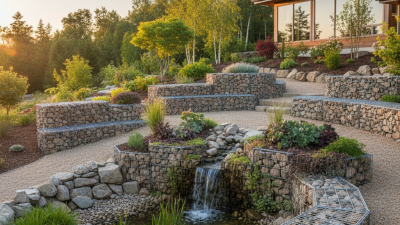
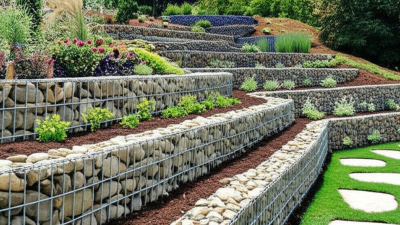
Hexagonal gabion cages are gaining popularity in landscaping and engineering projects. Their unique structure allows them to be versatile and effective in various applications. These cages are often used for erosion control, creating retaining walls, and enhancing drainage systems. They blend well into natural landscapes, providing both functionality and aesthetic appeal.
The use of hexagonal gabion cages in landscaping can transform ordinary spaces. These structures can create natural stone walls and borders that support vegetation growth. When filled with local stones, they not only stabilize soil but can also promote biodiversity. Their design allows for water to flow through, preventing water pooling and enhancing drainage.
Tips: Consider the surrounding environment when selecting stones for your gabion cages. Using local materials can improve integration with the landscape. Additionally, think about the size and spacing of cages to ensure proper support and drainage. Always assess the project's scale—too small might not hold up, while too large can overwhelm the space.
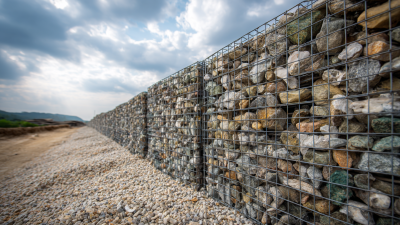
In engineering contexts, hexagonal gabion cages are effective in stabilizing slopes and banks. They can be built in conjunction with other materials to enhance structural integrity. However, it’s vital to account for local soil conditions and water flow patterns that may affect their performance. Improper installation can lead to failures, so careful planning is essential.
Cost Factors Influencing Hexagonal Gabion Cage Purchases Worldwide
When considering hexagonal gabion cages, various cost factors come into play. Materials are a major concern. High-quality steel or galvanized wire increases durability but raises expenses. Buyers must balance their need for strength against budget constraints.
Transportation costs also affect pricing. These cages can be bulky and heavy. Shipping fees to remote locations can escalate costs significantly.
Another crucial factor is design complexity. Custom designs may enhance aesthetics but incur additional charges. Standard sizes are often more economical. Buyers need to assess their project requirements. Installation costs are frequently overlooked. Skilled labor is required for proper setup. If not installed correctly, performance may decline. This reality reflects the necessity for careful planning.
Lastly, local market conditions influence prices. Economic factors vary widely across regions. Currency fluctuations can either inflate or reduce costs. Buyers should stay informed about market trends. Understanding these nuances allows for making informed purchases. Engaging expert advice may help navigate complex decisions. This can lead to better value for money.