How to Use Basket Gabion for Effective Landscaping Solutions?
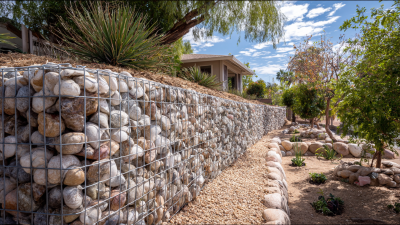
Basket Gabion is becoming increasingly popular in landscaping projects. These wire mesh containers hold rocks or other materials, creating both functional and attractive designs. Their versatility allows for various landscaping applications, enhancing outdoor spaces with unique textures and structures.
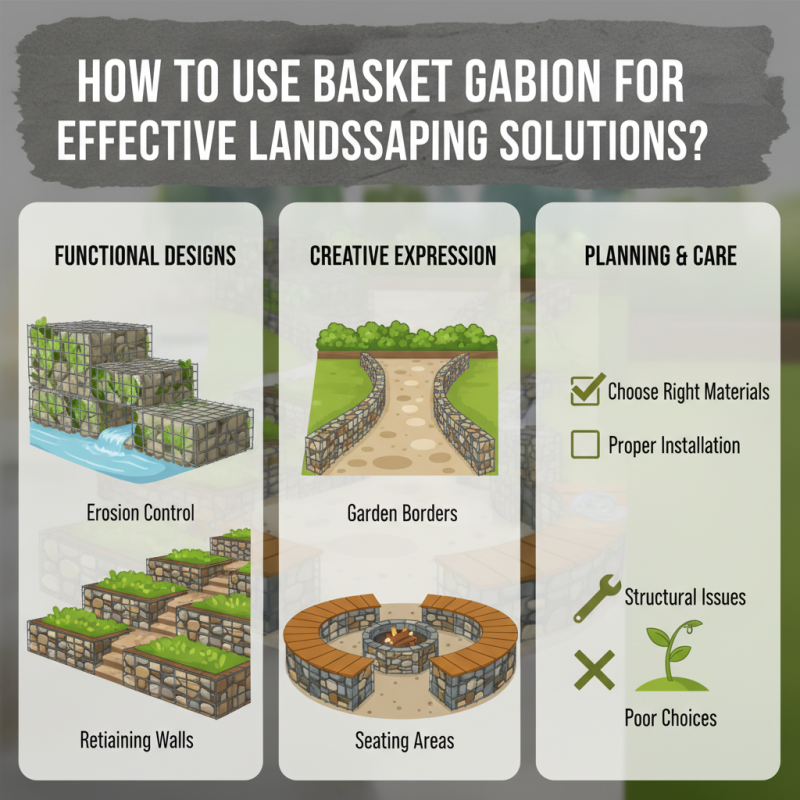
Using Basket Gabion can address practical needs, such as erosion control and retaining walls. They blend seamlessly into natural surroundings. However, it's crucial to choose the right materials and design. Poor choices can lead to structural issues over time.
Artists and landscapers often utilize these gabions for creative expression. The possibilities are vast, from simple garden borders to elaborate seating areas. Still, attention to detail is essential. Without it, even the most creative designs can fall flat. Ultimately, Basket Gabion offers beautiful landscaping solutions when executed carefully.
Advantages of Using Basket Gabions in Landscaping Projects
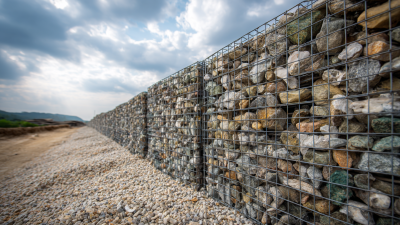
Basket gabions offer a unique solution for landscaping projects. They consist of wire mesh baskets filled with stones. This structure creates visually attractive features. They provide a natural look and blend well with outdoor environments. Their flexibility allows for various designs, enhancing both aesthetic appeal and functionality.
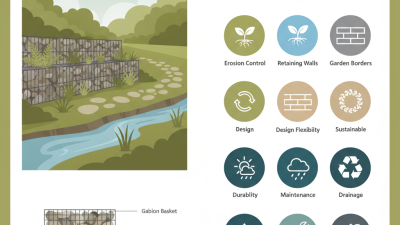
One significant advantage is their strength. Basket gabions can retain soil effectively, preventing erosion. This is crucial for sloped areas where soil stability is vital. They also allow for drainage, minimizing water buildup and promoting healthy vegetation. However, they might not suit every landscape design. Consider the local climate and soil conditions. In some regions, they may require additional maintenance.
Another benefit is sustainability. Using natural stones in construction supports eco-friendly landscaping. Basket gabions can be filled with locally sourced materials. This reduces the carbon footprint of the project. Yet, one must be cautious about selecting appropriate stone types. Some stones may weather faster than expected, impacting durability.
Materials and Design Considerations for Effective Gabion Structures
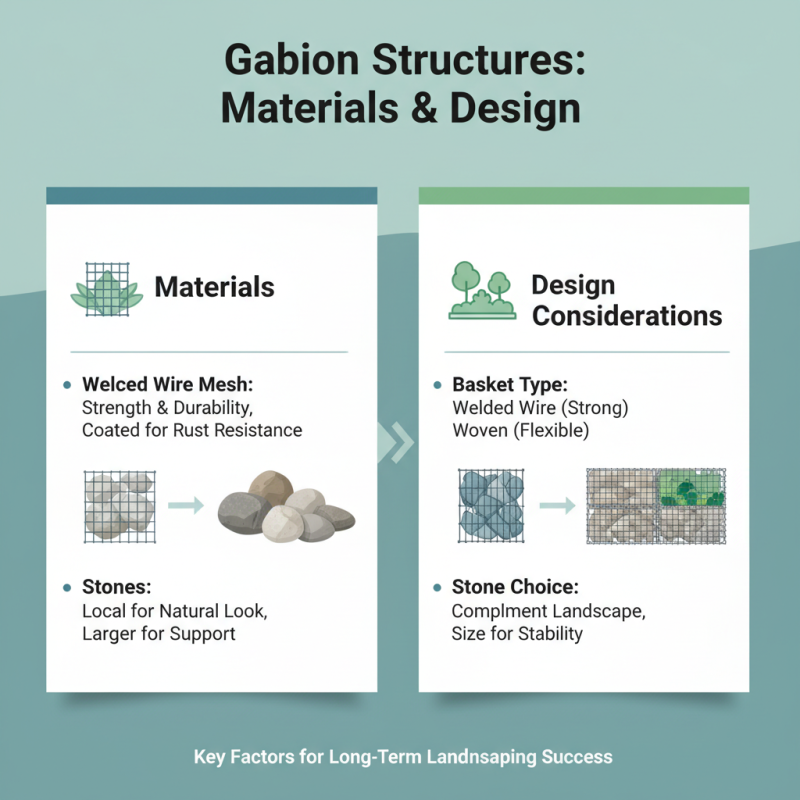
When considering basket gabions for landscaping, it's essential to choose the right materials. Welded wire mesh is a popular choice due to its strength and durability. Coated options resist rust, which is vital for long-term use. The stones you select also matter greatly; they should complement your landscape. Local stones can create a natural look, while larger rocks provide robust support.
Design plays a crucial role in the effectiveness of gabion structures. Straight lines often give a modern feel, while curves can offer a more organic appearance. However, be mindful of the balance between design and stability. Too many curves may compromise the structure’s strength. Consider the height and width of your gabions; overly tall structures may require additional support.
Reflect on the location as well. Ensure you account for drainage and potential erosion. Gabions can hold soil, but they can also trap water. A poorly placed gabion can lead to unwanted water accumulation. It’s all about finding that sweet spot where aesthetics and functionality meet. This requires some trial and error, so don’t hesitate to adjust your design as needed.
Best Practices for Installation of Basket Gabions in Outdoor Spaces
Basket gabions are becoming increasingly popular in landscaping projects. When installed correctly, they offer both aesthetic appeal and durability. Reports indicate that properly installed gabions can last for over 25 years, making them a cost-effective option for outdoor spaces.
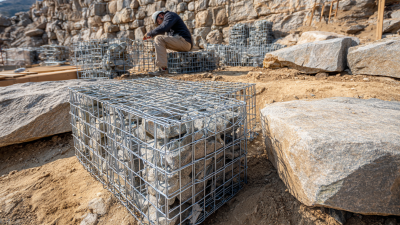
When considering installation, it's vital to select the right materials. Using high-quality wire mesh and robust fill materials can significantly enhance the structural integrity. Studies show that gabions filled with heavier stones provide better stability against erosion, particularly in sloped areas. However, the design should also consider drainage. Poor drainage can lead to soil and structural issues over time.
Another important aspect is the configuration of the gabions. Standard sizes range from 1 meter to 3 meters in length. Adjusting the dimensions according to the landscape can create visual balance. However, it is essential to avoid aesthetics overshadowing functionality. If the design is too complex, it may not hold up against environmental factors such as heavy rainfall. Regular maintenance and assessment can help identify potential weaknesses and ensure longevity.
How to Use Basket Gabion for Effective Landscaping Solutions? - Best Practices for Installation of Basket Gabions in Outdoor Spaces
| Dimension |
Material |
Installation Tips |
Application |
| 3ft x 3ft x 1ft |
Galvanized Steel Wire |
Ensure even ground, compact base |
Retaining Walls |
| 4ft x 4ft x 2ft |
PVC Coated Wire |
Keep rocks tightly packed |
Garden Borders |
| 5ft x 5ft x 3ft |
Stainless Steel Wire |
Install in sections for stability |
Erosion Control |
Maintenance and Longevity: Ensuring Durability of Gabion Landscapes
Maintaining gabion landscapes is crucial for their longevity and effectiveness. Regular inspection is essential. Look for signs of wear or damage. Over time, stones can settle, creating gaps. These gaps not only affect appearance but can also compromise the structure. Filling these gaps promptly is vital. Natural elements can wear down the materials used in gabions.
Water drainage is another key factor. Poor drainage can lead to erosion around the gabion. This may undermine the entire structure. Utilizing landscape fabric can help. It prevents soil erosion while allowing for proper drainage. Additionally, regular cleaning is beneficial. Remove any debris that could accumulate over time. This will help prevent moisture retention, which may lead to rusting or corrosion.
However, even with careful maintenance, some challenges persist. Adverse weather can affect durability. Heavy storms may shift stones or cause shifting landscapes. Regularly assessing these conditions is crucial. You may find you need to replace stones or even entire sections. Keeping a watchful eye and being ready to act is the best defense against these challenges.
Case Studies: Successful Landscaping Projects Utilizing Basket Gabions
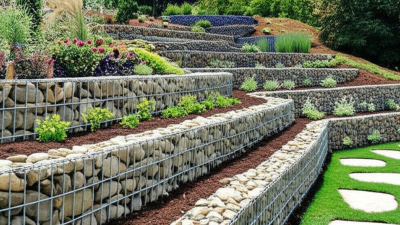
Basket gabions offer versatile landscaping solutions. They can stabilize slopes, create retaining walls, or form eye-catching garden features. In a recent project, a hillside in Pennsylvania was reinforced using basket gabions filled with local stones. This not only prevented erosion but also blended seamlessly with the natural environment. The result was both functional and aesthetically pleasing.
Another case involved a community park redesign in California. Landscape architects used basket gabions to construct seating areas. They filled the structures with recycled materials, promoting sustainability. This project highlighted the balance between utility and design. However, some concerns arose regarding the long-term maintenance of these installations. Over time, plants surrounding gabions can overgrow and obscure their appearance.
In Florida, a coastal property implemented gabions for tidal protection. The combination of durability and natural aesthetics contributed to its success. Still, the project faced challenges. Saltwater corrosion required thoughtful material selection. Attention to these details is crucial to maintain the integrity of gabion structures. Each case study underscores the importance of adaptability in landscape design.
Landscaping Solutions Using Basket Gabions