Sichuan Lanfan Transport Construction Co., Ltd. specializes in the production of various metal mesh fences.
Leave Your Message

Why Is Powder Coating Better Than Liquid Paint?

When a steel handrail leaves the curing oven, its finish feels smooth, dense, and consistent. This practical result explains why many fabricators choose Powder coating for metal products. Unlike liquid paint, the process applies dry particles with an electrostatic charge. Heat then melts and cures them into a continuous film.

The advantages are measurable. Powder coating usually provides strong resistance to chipping, abrasion, moisture, and daily handling. It can also recover suitable overspray, reducing material waste in controlled production systems. No liquid solvents evaporate during application, which may simplify workplace controls. However, it is not automatically better for every project. Large components may require specialized ovens. Color changes can also slow production.

Real-world performance depends on surface preparation, film thickness, curing temperature, and substrate quality. A poorly cleaned surface can fail beneath an excellent coating system. That detail matters. Industry guidance, supplier data, and recognized test methods should support comparisons with liquid paint. Liquid coatings may remain more practical for field repairs, heat-sensitive materials, or complex low-volume work. Powder coating has limits, including ultraviolet exposure, texture variation, and visible repairs. A careful decision should consider the part’s environment, production volume, appearance requirements, and maintenance plan. The strongest choice is not based on fashion. It is based on evidence, process control, and actual service conditions. Even experienced applicators can overlook one variable. That possibility deserves honest attention.
Why Is Powder Coating Better Than Liquid Paint?

What Powder Coating Is and How It Works

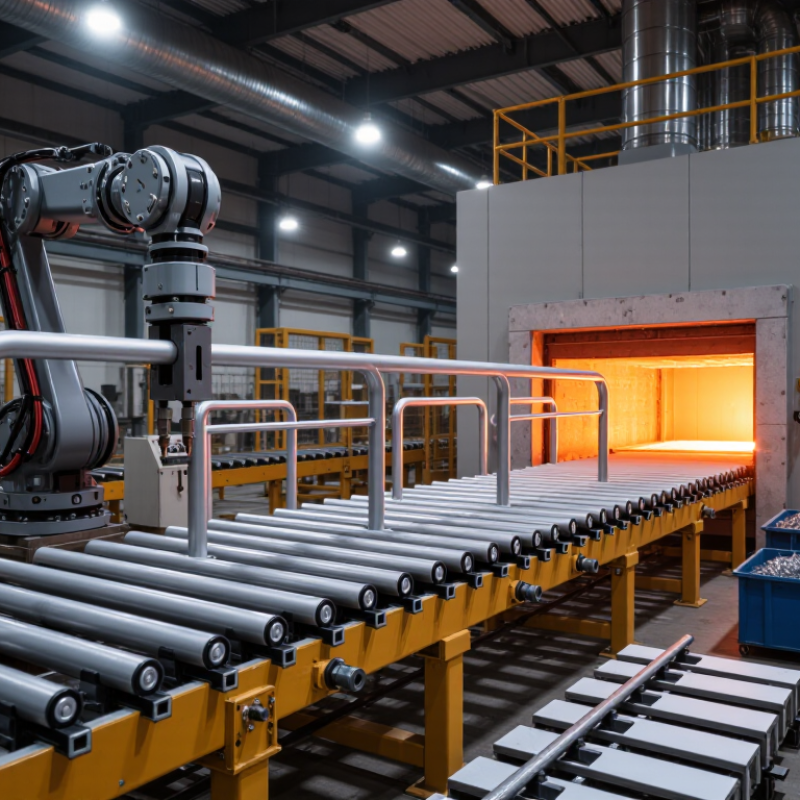
Powder coating is a dry finishing process for metal parts. Unlike liquid paint, it uses finely ground resin particles instead of a solvent-based mixture. A spray gun gives these particles an electrical charge. The grounded metal attracts them, creating an even layer around edges and flat surfaces.

The coated part then enters a curing oven, usually heated between 160°C and 200°C, depending on the powder formulation. Heat melts the particles and creates a hard, continuous film.

Proper surface preparation matters greatly. Oil, rust, moisture, or trapped dirt can cause pinholes, peeling, or uneven texture. In practical inspections, small preparation errors often explain large coating failures.

Powder coating can resist chips, abrasion, and weathering better than many conventional liquid finishes. It also produces little airborne solvent during application. Still, it is not magic. Heat-sensitive parts may deform, and color changes can occur between production batches. Complex cavities can also receive uneven coverage. Liquid paint may remain more suitable for repairs or very large structures.

Tips: Clean and profile the metal carefully. Check the oven temperature at the part, not only the display. Test coating thickness on corners and recessed areas. Keep spare powder sealed and dry. A beautiful finish can fail quietly when preparation is rushed.

How Powder Coating Differs from Liquid Paint

Why Is Powder Coating Better Than Liquid Paint?

How Powder Coating Differs from Liquid Paint

Powder coating and liquid paint create different finishing processes. Powder coating uses dry particles that receive an electrical charge. These particles cling to a grounded metal surface before entering a curing oven. Heat melts and bonds the powder into a continuous film. Liquid paint carries pigments in water or solvent. Spraying applies a wet layer, which must dry as the carrier evaporates.

The difference becomes clear during production. Powder coating usually produces a thicker, tougher surface with fewer drips and runs. It can resist chipping, moisture, and everyday abrasion when properly applied. Overspray may also be collected in controlled systems, reducing material loss. Liquid paint offers more flexibility for thin coats, color changes, repairs, and large objects that cannot enter an oven. It also suits heat-sensitive materials better.

Preparation decides much of the result. A metal panel needs cleaning, suitable grounding, and careful pretreatment before powder application. Typical curing temperatures often reach 160–200°C, depending on the powder formulation and part thickness. Liquid paint may be easier to touch up on site, but uneven drying can leave marks, pinholes, or dull patches. Powder is not automatically better. A rough weld remains rough beneath it. I have seen excellent coatings fail because surface preparation was treated as a minor step. Small details matter, especially around edges, joints, and hidden cavities.

Key Advantages of Powder Coating

Why Is Powder Coating Better Than Liquid Paint?

Powder coating offers practical advantages beyond its clean appearance. The U.S. Environmental Protection Agency reports that powder systems produce negligible VOC emissions during application because they contain no liquid solvent. Curing still requires heat and energy. That detail is easy to overlook.

Transfer efficiency can also be higher. Data from the Powder Coating Institute indicates that modern recovery systems may achieve roughly 95% material utilization under controlled conditions. Overspray can often be collected and reused, while liquid paint commonly loses solvent and coating material during spraying. Less waste reaches the booth floor.

The cured film creates a hard, continuous surface around steel brackets, appliance panels, and outdoor frames. Industry testing commonly evaluates powder coatings against abrasion, impact, corrosion, and weathering standards, including ASTM methods. The European Commission’s surface-treatment guidance identifies powder coating as a low-solvent technique with strong potential for reducing air emissions. It can also reduce drying space and handling time. Not always. Heat-sensitive parts may need liquid paint, and color changes can slow production. Poor grounding or contaminated metal can still cause thin edges, pinholes, or uneven texture. Results depend on pretreatment, film thickness, oven control, and operator experience, not the powder alone.

Limitations and Practical Considerations

Powder coating reduces solvent emissions, but its practical advantages have limits. The European Commission’s 2007 Surface Treatment BREF reports powder utilization rates commonly reaching 95–99% in controlled recovery systems. That figure is impressive. It depends on clean collection, stable colors, and disciplined maintenance. Mixed overspray can become unusable waste.

Curing also requires heat, usually around 160–200°C. This requirement excludes many plastics, wood products, and temperature-sensitive assemblies. The U.S. Department of Energy identifies industrial heating as a major manufacturing energy demand, so a powder line should be assessed for oven efficiency, loading patterns, and production volume. A small workshop may spend more on ventilation, electrical capacity, and curing equipment than expected.

Powder is not always easier to repair. Local touch-ups may show gloss or texture differences, especially after outdoor exposure. Complex shapes can create Faraday-cage defects around recesses and sharp corners. Skilled operators can reduce these problems, but they cannot remove them completely. The U.S. EPA’s 2008 Control Techniques Guidelines recognize powder coating as a low-VOC option, yet the report does not make it universally suitable. Substrate temperature, coating thickness, color changes, and repair needs still determine the better process.

Choosing Between Powder Coating and Liquid Paint

Choosing between powder coating and liquid paint depends on the part, production volume, and finish requirements. Powder coating is applied as a dry material, then cured in an oven. Liquid paint uses solvents or water as carriers and may require drying between coats. The U.S. Environmental Protection Agency reports that powder coating can achieve transfer efficiency above 95% in suitable operations. Overspray can also be collected and reused, reducing material waste.

Liquid paint remains useful for large structures, heat-sensitive materials, and field repairs. It offers flexible color matching and does not always require an curing oven. Powder coating needs clean metal preparation, controlled film thickness, and correct curing temperatures. A poor cure can create a finish that looks attractive but chips early. That detail is easy to miss.

Tips: Test both systems on the actual substrate. Measure adhesion, impact resistance, and gloss after curing. Ask the applicator for coating thickness records and oven-temperature data. The AAMA 2604 and 2605 performance standards provide useful benchmarks for architectural finishes. However, meeting a standard does not guarantee identical results in every climate. Humidity, sharp edges, and handling still matter.

For indoor steel components, powder coating often provides efficient coverage and strong abrasion resistance. For oversized assemblies or on-site touch-ups, liquid paint may be more practical. A 2023 report from the U.S. EPA identifies powder coating as a low-VOC alternative when properly managed. It is not automatically the better choice. The best decision follows the part’s geometry, service environment, repair needs, and available equipment.