Sichuan Lanfan Transport Construction Co., Ltd. specializes in the production of various metal mesh fences.
Leave Your Message

How to Choose Concertina Border Fence in 2026?

Choosing a Concertina Border Fence in 2026 requires more than comparing coil diameter or advertised prices. It requires a clear understanding of terrain, threat exposure, maintenance capacity, and local safety requirements. Grand View Research reports continued expansion in the global perimeter security market, driven by infrastructure protection, industrial development, and demand for integrated security systems. That growth creates more options, but it also makes product claims harder to evaluate.

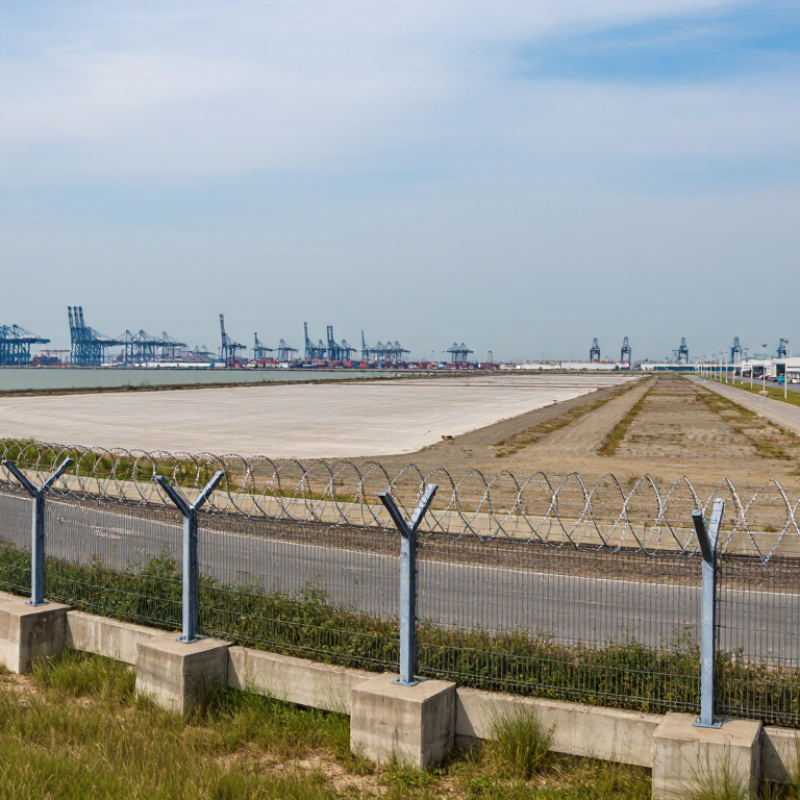
A suitable fence should match the site rather than follow a generic specification. Check steel grade, wire diameter, blade geometry, corrosion protection, tensile performance, and resistance to coastal humidity. A fence beside a saltwater port faces different stress than one protecting a dry inland warehouse. ISO 22343-1:2023 provides useful guidance for physical security equipment testing and evaluation, although it does not replace a site-specific assessment. Installation quality matters equally. Poor anchoring, uneven tension, or weak support posts can reduce performance within a single season.

Do not choose from photographs alone. Request test documents, coating information, installation drawings, warranty terms, and maintenance records from established suppliers. The MarketsandMarkets perimeter security research also identifies growing integration between physical barriers, sensors, and monitoring platforms. That trend may be valuable for high-risk facilities, but technology cannot correct a badly designed barrier. Some recommendations will remain imperfect. Site conditions change. Therefore, this guide compares practical selection factors for a Concertina Border Fence, while keeping safety, lawful access, worker protection, and long-term reliability at the center.
How to Choose Concertina Border Fence in 2026?

Define the Security Requirements for a Concertina Border Fence

Choosing a concertina border fence starts with a clear security definition, not a product catalogue. Identify the protected asset, likely intrusion points, and the required response time. A remote warehouse may need delay and detection. A transport facility may need stronger access control and lighting.

Threat assessment should consider climbing, cutting, forced passage, vehicle impact, weather, and ground conditions. Specify the required delay in minutes, then match the fence structure, coil diameter, wire strength, and support spacing. The 2024 Perimeter Security Market report by MarketsandMarkets identifies intrusion detection, video surveillance, and access control as major security segments. This supports a layered design rather than relying on concertina wire alone. Grand View Research valued the global physical security market at approximately USD 135 billion in 2023, showing the scale of demand for integrated protection. Market estimates differ, so verify each source’s methodology.

Tips: Write measurable requirements. For example, “detect tampering within 30 seconds” is better than “high security.” Check visibility, drainage, corrosion resistance, emergency access, and maintenance intervals. Follow applicable national standards and independent engineering advice. Do not ignore people working near the barrier. Clear warning signs, safe separation, and controlled access matter. In practice, even a strong fence can fail when vegetation hides damage or cameras face glare. My own preference is to test a small section first. It may reveal weak assumptions before full installation.

Compare Concertina Fence Materials, Designs, and Barrier Strength

Choosing a concertina border fence in 2026 requires more than selecting the sharpest-looking coil. Material, geometry, and installation determine real performance. Galvanized steel suits many outdoor sites because zinc slows corrosion. Stainless steel performs better in coastal air, but costs more. Inspect wire diameter, coating thickness, weld quality, and coil memory. Thin wire may look imposing yet deform under pressure.

Design changes how a barrier behaves. A flat-loop configuration needs less depth and fits narrow boundaries. Three-dimensional coils create greater stand-off distance and resist compression more effectively. Check support posts, spacing, tensioning systems, and attachment points as one assembly. A strong coil on weak posts is a misleading specification. It happens more often than brochures suggest.

Barrier strength should be assessed with measurable evidence, not visual drama. Request material certificates, salt-spray results, load data, and installation tolerances. Site conditions matter: wind, snow, humidity, vegetation, and maintenance equipment. I have seen corrosion begin at cut ends and poorly sealed connections. Small details matter. Use trained installers, warning signs, and controlled access during work. Confirm local safety and planning requirements before installation. A lower barrier may be safer near public paths, even when a taller design appears more secure.

Assess Site Conditions, Dimensions, and Installation Requirements

How to Choose Concertina Border Fence in 2026?

Assessing site conditions should guide every fencing decision. Walk the boundary before selecting coil diameter, wire gauge, or support spacing. Check slopes, loose soil, standing water, vegetation, and nearby structures. Measure twice. A drawing can look accurate while hiding difficult ground conditions.

Record the required height, total length, access points, and clearance from roads or buildings. Larger coils may provide stronger visual deterrence, but they also require sturdier posts and reliable bracing. On uneven ground, stepped sections may perform better than forcing one continuous line. Leave space for gates, maintenance access, and safe inspection routes. Do not install over buried utilities without confirming their locations.

Installation requirements deserve equal attention. Select corrosion-resistant materials for coastal or humid sites, then specify suitable foundations for the soil. Concrete footings may need greater depth in soft ground or high-wind areas. Use trained installers with appropriate protective equipment and follow local safety, planning, and property regulations. Keep the barrier away from public reach where required.

Small errors matter. A loose support can distort the coil and reduce stability. Poor drainage can shorten service life. Review the plan with a qualified site professional before ordering materials. Then compare the measured dimensions against the supplier’s technical data, not only the product photograph.

How to Choose Concertina Border Fence in 2026? - Assess Site Conditions, Dimensions, and Installation Requirements

Assessment Dimension What to Check on Site Typical Selection Guidance Recommended Specification or Action Key Installation Consideration
Security Objective Determine whether the fence is intended for visual deterrence, delay, controlled access, or a high-security perimeter. Higher-risk sites generally require greater barrier height, stronger supporting posts, tighter access control, and more robust maintenance procedures. Define the required delay and response time before selecting the coil diameter, wire configuration, and support system. Coordinate the fence design with gates, lighting, cameras, alarms, and emergency access routes.
Perimeter Length Measure the complete boundary, including corners, gates, slopes, and sections requiring additional layers. Material quantities should include allowance for overlaps, corner transitions, cut ends, and installation waste. Prepare a scaled site plan and calculate straight runs separately from gates and irregular sections. Avoid estimating from property records alone; verify measurements in the field before ordering materials.
Fence Height Check the required clear height above finished ground level and whether the existing fence or wall can support the system. Common perimeter fence heights are approximately 1.8–2.4 m, while higher-risk applications may need a taller engineered arrangement. Select the concertina arrangement only after confirming local regulations, setback limits, and the desired climb-resistance level. Maintain a consistent height and prevent gaps beneath the barrier caused by uneven ground.
Coil Diameter Assess available space, required deterrence, visibility, and the distance between the fence line and nearby structures. Typical concertina coil diameters range from about 450 mm to 1,050 mm; larger coils require more clearance and stronger support. Use a smaller diameter where space is restricted and a larger diameter where increased physical obstruction is required. Confirm that the coil does not overhang public walkways, neighboring land, access roads, or maintenance areas.
Wire Material and Coating Evaluate humidity, rainfall, salt exposure, industrial pollution, chemical contact, and expected service life. Galvanized steel is widely used for general outdoor service; corrosion-resistant coated or stainless options may be more suitable for severe environments. Match the coating system to the environmental exposure category and the planned inspection interval. Prevent damage to the protective coating during cutting, handling, tensioning, and fastening.
Wire Diameter and Blade Profile Consider the required resistance to cutting, the likelihood of tampering, and the tools available to authorized maintenance personnel. Heavier wire and reinforced blade profiles generally increase resistance but also increase weight, handling difficulty, and support loads. Choose the profile based on the risk assessment rather than selecting the heaviest option by default. Use appropriate tools, gloves, eye protection, and controlled handling procedures during installation.
Number of Concertina Rows Identify whether the barrier will be installed on top of a fence, along the ground, or as multiple horizontal rows. Single rows suit many standard applications; multiple rows provide greater obstruction but increase structural and maintenance requirements. Use the minimum configuration that meets the site risk assessment and applicable safety requirements. Design brackets, stays, and anchor points for the combined weight and wind load of all rows.
Post Spacing and Support Check soil type, post condition, foundation depth, corner loads, and the strength of any existing wall or fence. A common preliminary spacing range is approximately 2.0–3.0 m, but final spacing depends on coil size, wind exposure, and structural design. Reduce spacing on corners, changes in direction, exposed ridges, and locations with higher support loads. Use properly aligned, plumb posts with secure foundations and additional bracing at end and corner posts.
Terrain and Ground Conditions Record slopes, drainage channels, loose soil, rock, vegetation, retaining walls, and areas prone to flooding or erosion. Level ground allows simpler installation; uneven or unstable ground may require stepped sections, deeper foundations, or custom brackets. Complete a site survey before finalizing post lengths, foundation details, and coil continuity. Do not leave climbable gaps at changes in elevation or between the barrier and the ground.
Wind and Weather Exposure Assess prevailing wind, open terrain, coastal exposure, snow or ice accumulation, and seasonal weather extremes. Open and coastal sites may impose higher wind and corrosion loads than sheltered urban sites. Verify support capacity and fixing details using locally applicable structural requirements. Inspect posts, brackets, ties, and corrosion protection after severe weather events.
Gates and Access Points Identify vehicle gates, pedestrian gates, emergency exits, delivery routes, and areas requiring frequent access. Access points should not create weaker sections or obstruct normal operation and emergency escape. Provide clear gate openings, compatible security hardware, and a planned method for safely retracting or isolating the barrier. Keep moving parts free from interference and clearly mark restricted or hazardous areas.
Legal and Safety Requirements Check local planning rules, property boundaries, workplace safety requirements, public-right-of-way limits, and warning-sign obligations. Requirements vary by jurisdiction and site type; public-facing locations generally need stronger controls against accidental contact. Obtain approvals where required and include warning signs, controlled access, and safe maintenance procedures in the design. Keep sharp barriers away from areas where unauthorized persons could reasonably come into contact with them.
Maintenance and Service Life Estimate inspection access, vegetation growth, corrosion risk, replacement needs, and the availability of trained maintenance staff. A practical inspection schedule is often quarterly for normal conditions, with more frequent checks in corrosive, high-wind, or high-risk environments. Create a maintenance plan covering loose ties, damaged coils, bent posts, coating damage, vegetation, and drainage issues. Schedule repairs promptly and isolate damaged sections before authorized personnel begin work.

Note: Dimensions and spacing shown are common preliminary planning ranges. Final specifications should be confirmed through a site survey, local regulations, environmental assessment, and structural review.

Review Safety Features, Legal Standards, and Maintenance Needs

How to Choose Concertina Border Fence in 2026?

A suitable concertina border fence should match the site’s security risk, traffic flow, and legal setting. Choose corrosion-resistant steel with consistent coil diameter and secure, tamper-resistant fasteners. Sharp edges must remain away from public paths, children’s areas, and emergency routes. Add clear warning signs at regular intervals. Visibility matters too; hidden hazards can create liability.

Safety is not only about height or density. Check whether the fence blocks evacuation, firefighting access, or maintenance work. Local building, planning, workplace, and fire-safety authorities may impose different requirements. Ask for material specifications, installation records, and conformity documents. A qualified installer should assess gates, corners, drainage, lighting, and nearby power lines. Standards change. Verify the current rules before purchase.

Tips: Inspect the fence monthly, especially after storms or heavy rain. Look for rust, sagging coils, loose clips, damaged posts, and trapped vegetation. Keep access gates clear and test their locking systems. Wear cut-resistant gloves and eye protection during inspection. Do not repair damaged sections casually; isolated fixes may leave dangerous gaps. In practical site reviews, maintenance is often underestimated. That mistake becomes expensive. Record every inspection with photographs, dates, and corrective actions. If the boundary protects a workplace, review the risk assessment whenever operations or surrounding access changes.

Select the Best Concertina Border Fence for Long-Term Value

How to Choose Concertina Border Fence in 2026?

Select the Best Concertina Border Fence for Long-Term Value

Long-term value begins with the fence’s material, not its appearance. Choose corrosion-resistant steel with a durable protective coating. Coastal air, rain, and industrial dust can quickly expose weak surfaces. Check the wire diameter, blade spacing, coil strength, and coating thickness. These details affect service life and maintenance costs.

A suitable concertina border fence should match the site’s risk, climate, and boundary design. Measure the perimeter carefully before ordering. Uneven ground may require stronger support posts and closer inspection points. Select a system that trained professionals can install safely and maintain legally. Clear warning signs and controlled access reduce accidental contact. They also show responsible site management.

Cheap options can become expensive. I have seen minor rust develop around cut edges and damaged fittings. Replacing small sections is often harder than expected. Ask for material certificates, coating information, installation guidance, and inspection procedures. Review the supplier’s technical support before making a decision. Do not judge value by price alone. A realistic maintenance plan matters. Even the best fence can fail when neglected. Check tension, fasteners, corrosion, and surrounding vegetation at scheduled intervals. Then revise the plan when site conditions change.