10 Essential Tips for Choosing Powder Coated Mesh Fence?
When it comes to securing your property, a Powder Coated Mesh Fence is a popular choice. Its durability and aesthetic appeal make it a standout option. However, selecting the right fence requires careful consideration. Many factors influence the decision-making process. It is important to understand the various characteristics of this fencing type.
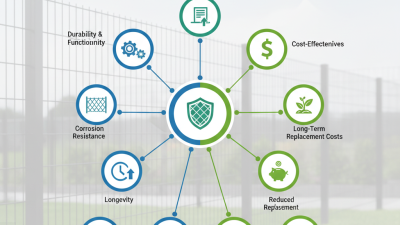
Consider the materials used in the Powder Coated Mesh Fence. High-quality steel should be the starting point. The powder coating should resist fading, rust, and corrosion. These features contribute to the fence's longevity. Colors and finishes can enhance the overall look, but they also affect maintenance efforts.
Think about the intended purpose of the fence. Is it for security, decoration, or both? Each use case may require different specifications. Additionally, reflect on installation processes and costs. It’s essential to evaluate the warranty offered by the manufacturer. Understanding all these elements can lead to a more informed decision. Choosing a Powder Coated Mesh Fence is not just about style; it’s about ensuring you make choices that stand the test of time.
Understanding the Basics of Powder Coated Mesh Fencing
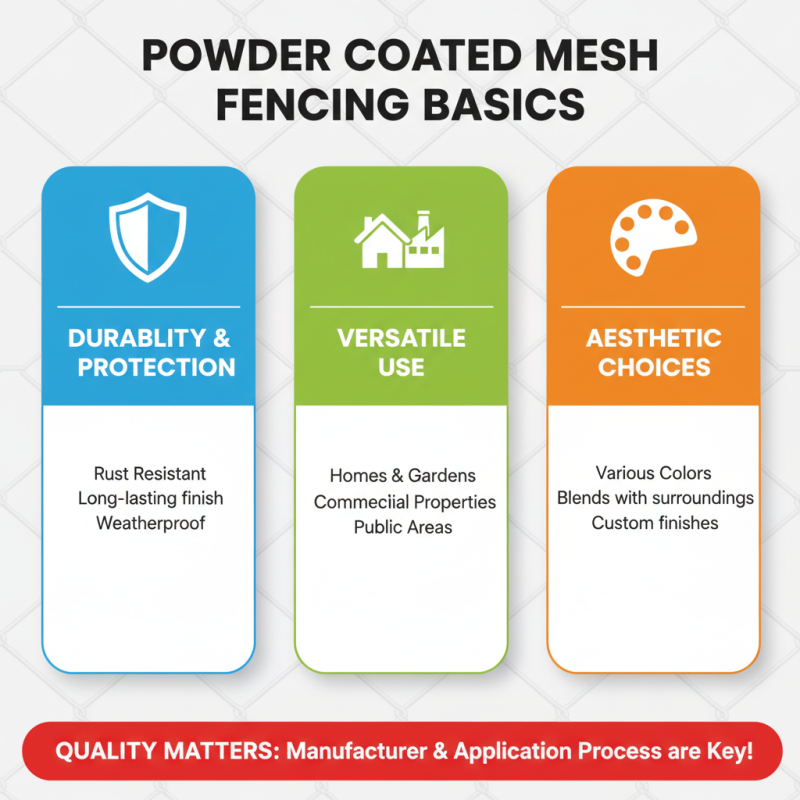
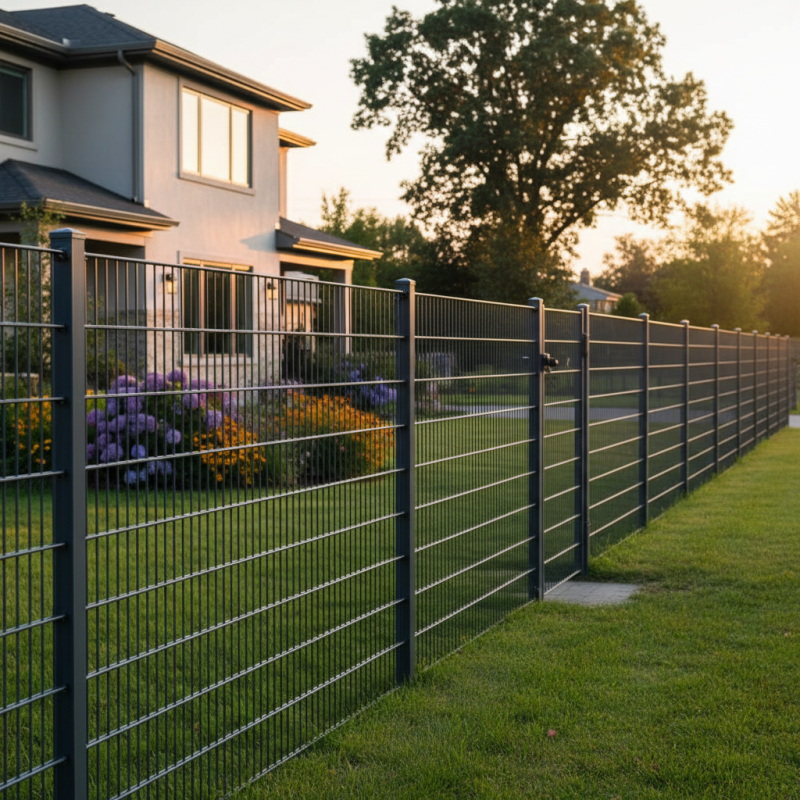
Understanding the basics of powder coated mesh fencing is crucial for making an informed choice. Powder coating offers durability and rust resistance. This type of fencing is often used in both residential and commercial settings. It's available in various colors, allowing for aesthetic versatility. However, not all powder-coated finishes are created equal. Quality can vary significantly based on the manufacturer and application process.
When choosing a powder coated mesh fence, consider the coating thickness. A thicker coat typically provides better protection. Check for the warranty period to gauge reliability. Additionally, inspect the mesh sizing. Larger openings may compromise security but offer better visibility. Be mindful of your specific needs.
Tip: Research contractors carefully. Look for reviews and past project examples. This can prevent future headaches. Another tip is to request samples. Touch and see the finish in person. It helps visualize your project better. Choosing the right fence isn't just about looks; it's about ensuring it meets your expectations and needs.
Evaluating the Strength and Durability of Mesh Materials
When evaluating the strength and durability of mesh materials for powder coated fences, several key factors come into play. The most critical aspect is the type of metal used. High-quality steel generally provides superior strength compared to aluminum or vinyl alternatives. According to the International Association of Fencing Professionals, steel fences can have a tensile strength exceeding 50,000 psi, significantly enhancing their resilience against impacts and environmental stressors.
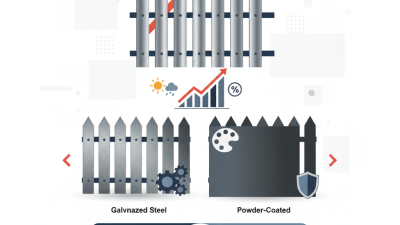
Another vital consideration is the powder coating process. This coating not only enhances aesthetics but also offers protection against corrosion and UV degradation. Reports indicate that properly applied powder coatings can extend the lifespan of metal by up to 20 years. However, imperfections during application can lead to vulnerabilities in the coating, which might compromise the material over time. It's essential to choose manufacturers that adhere to rigorous quality control standards to ensure durability.
Mesh size and design also determine the strength of the fence. A smaller mesh size can enhance stability while a larger mesh may affect structural integrity. Research shows that a mesh aperture of 2 inches by 2 inches balances visibility and security effectively. However, mesh that is too fine can be susceptible to wear and tear from environmental factors. Careful assessment of these features ensures that the chosen fencing option withstands both time and weather.
Considering Aesthetic Options and Color Choices in Fencing
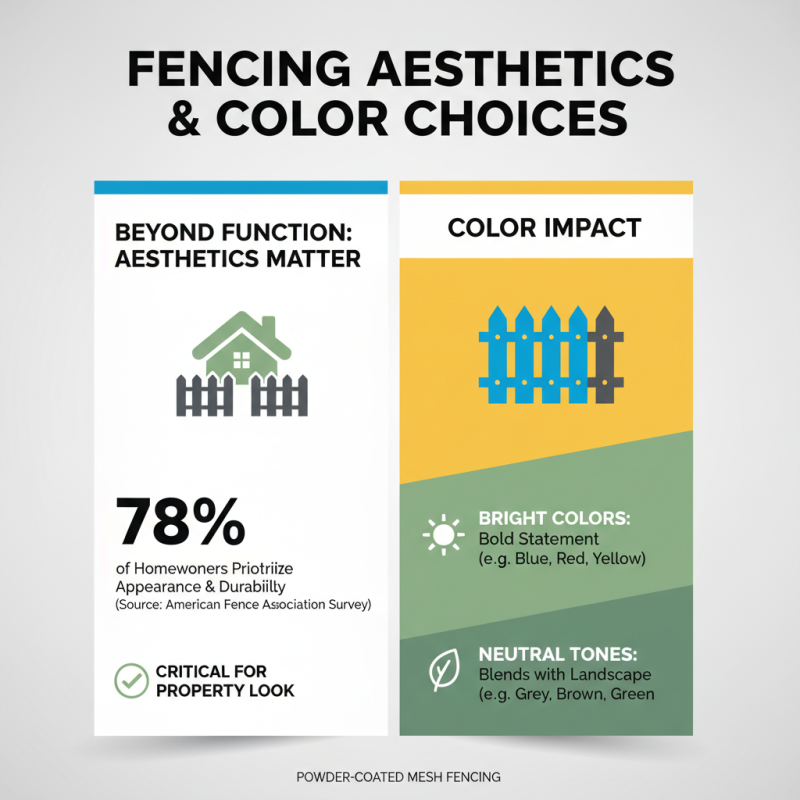
Choosing the right powder-coated mesh fence involves more than just function. Aesthetic options are equally critical. A recent survey by the American Fence Association found that 78% of homeowners prioritize appearance alongside durability when selecting fencing. Color choices can significantly impact the overall look of your property. Bright colors can make a bold statement, while neutral tones often blend seamlessly into landscapes.
It’s essential to consider how color affects the perception of your space. Lighter shades can create an impression of openness, while darker hues often provide a contemporary, sleek look. According to industry insights, nearly 45% of homeowners prefer classic colors like black, green, or beige. However, experimenting with unique shades can make your property stand out. Reference data suggests that homes with visually appealing fences tend to fetch up to 10% higher resale values.
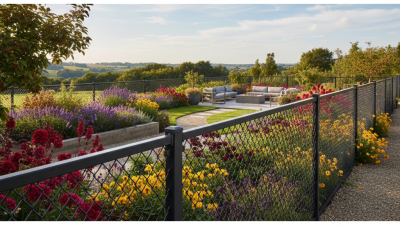
This decision also reflects broader trends in home design. Aesthetics in fencing can complement architectural styles and landscaping. However, it’s crucial to balance personal taste with practicality. Some vibrant colors might not age well under UV exposure, leading to unexpected maintenance challenges. Understanding these nuances helps ensure that your final choice meets both aesthetic and functional considerations.
Assessing Cost Factors and Budget for Powder Coated Fencing
When considering powder coated mesh fencing, cost is a crucial factor. The overall price is influenced by several elements, including materials and installation fees. High-quality steel or aluminum will typically raise the budget. However, these materials often provide better durability and longevity, making them a wisely investment. It's important to evaluate the long-term benefits against the initial expenditure.
Hidden costs can also arise during the installation process. Consider unexpected expenses, such as site preparation or permits. These can quickly add to the budget. Always plan for contingencies. Asking for quotes from multiple contractors can help in making a more informed decision. Yet, beware of unusually low bids. They may indicate subpar quality or service, leading to future complications.
Budgeting effectively means allocating funds for maintenance as well. Powder coating generally requires less upkeep, but any fencing material can decline without proper care. Factor in future repairs or touch-ups. Consider setting aside an emergency fund. This can safeguard against unforeseen issues, ensuring that your investment remains intact over time.
Exploring Installation Requirements and Maintenance Tips for Longevity
When installing a powder-coated mesh fence, understanding installation requirements is crucial. Check the local terrain first. Uneven ground presents challenges and may require adjustments. Ensure the fence fits properly before securing it. Lay out the posts using a string line for accuracy. This step reduces the risk of future misalignments. Also, allocate time for careful installation. Rushing can lead to structural issues down the line.
Maintenance is vital for the longevity of your fence. Inspect the fence regularly for signs of wear. Pay attention to areas where the coating may chip or peel. Addressing these issues early can prevent rust. Cleaning the fence every season helps maintain its appearance and integrity. Consider using a mild soap and water solution. Avoid abrasive materials during cleaning to preserve the finish. Over time, some maintenance tasks may be overlooked. Reflecting on your routine can make a significant difference. These actions ensure your investment remains intact for years.