Choosing the right 3D Fence Panels in 2026 requires more than comparing heights, colors, and prices. A reliable perimeter must respond to real conditions: soil movement, coastal moisture, strong wind, pets, children, and daily gate use. The best panels combine rigid welded wire, protective galvanizing, durable powder coating, and carefully spaced posts. Small details matter.
Installation decides much of the result.
As perimeter-security specialist Mark Ellison explains, “A secure fence is only as strong as its weakest installation detail.” That practical view guides this comparison. A beautifully coated panel can still fail when posts are shallow, fixings are weak, or the gate frame bends under repeated use. Look closely at the mesh thickness, panel folds, post dimensions, and fastener quality. Three-dimensional bends can add stiffness and discourage climbing, but they do not replace sensible site planning.
Security should remain balanced with appearance. A black finish may suit a modern home, while green blends more naturally into gardens. Industrial sites may need greater height, reinforced gates, and controlled access. Residential properties often need visibility, clean lines, and safer edges. No single design fits every boundary.
Some assumptions need reconsideration.
A taller fence is not always safer. Poor drainage can weaken its foundation, and excessive opacity may create hidden areas near entrances. This guide reviews the 2026 best 3D Fence Panels through practical experience, technical performance, maintenance demands, and visual appeal. The goal is a fence that looks intentional, performs consistently, and remains dependable after the first season.
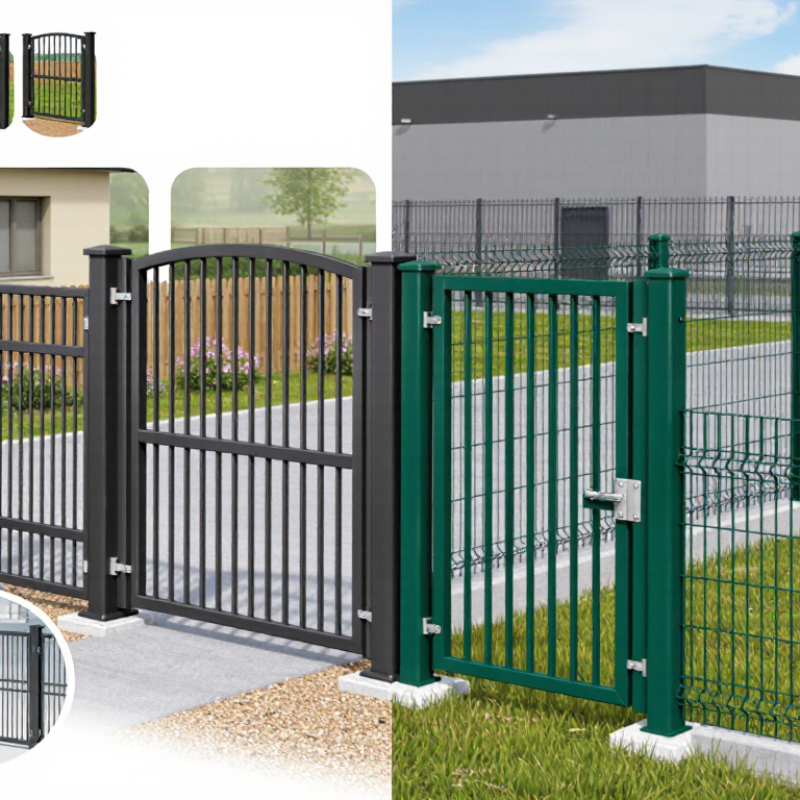
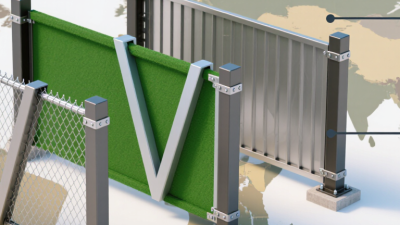
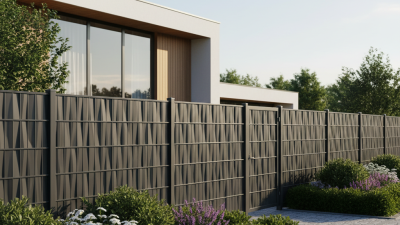
3D fence panels are welded wire sections with V-shaped bends along their length. These folds add stiffness without making the panel look heavy. Most panels use galvanized steel or a protective polymer coating. That finish helps resist moisture, scratches, and early corrosion.
The design supports security in several practical ways. A rigid panel is harder to bend or cut than ordinary light wire mesh. Its open pattern also preserves visibility around gardens, warehouses, schools, and home entrances. Clear sightlines help property owners notice unusual movement sooner. The narrow openings can discourage climbing, especially when the fence height and top design are properly selected.
Installation quality matters greatly. Strong posts, accurate spacing, and solid ground connections prevent weak points between panels. During site inspections, I have seen attractive fences fail because posts were too shallow or gates were poorly aligned. That detail is easy to overlook.
A 3D panel is not a complete security system. It mainly creates a visible boundary and adds delay. Lighting, controlled gates, cameras, and regular inspections may improve the wider setup. Local building rules should also be checked before installation. Panel strength can vary with wire diameter, coating quality, and manufacturing tolerances. In real projects, the cheapest option is not always the most dependable. Sometimes, a modest design performs better because it is installed correctly.
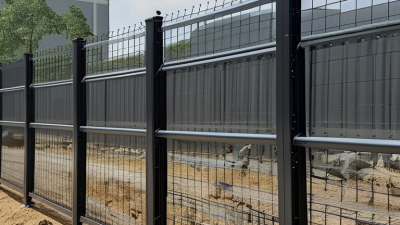
Choosing a 3D fence panel in 2026 means looking beyond its curved profile. Security starts with wire diameter, mesh spacing, and weld quality. Thicker steel resists bending, while narrow openings make climbing and forced access harder. Ask for measured specifications, not vague claims.
Coating matters too. Hot-dip galvanizing can protect steel from moisture, while a tested powder coating adds color and another barrier. Check corners, welds, and cut edges carefully. These areas often reveal weak preparation. During site inspections, I also assess post depth, anchor strength, and fixing resistance. A strong panel can still fail when installed with light posts or loose bolts. Wind exposure deserves attention, especially on open fields and coastal properties.
Good design balances protection with appearance. A clean 3D profile can frame a garden, driveway, school, or warehouse without looking harsh. Consider panel height, gate alignment, visibility, and the surrounding architecture. Privacy may require additional screening, but dense additions can increase wind pressure. No panel is maintenance-free. I have seen attractive installations lose value because rust appeared around damaged edges. Plan yearly checks, wash away salt or dirt, and repair coating damage early. Small mistakes matter.
A strong 3D fence panel balances security, corrosion resistance, and visual lightness. Material choice sets the foundation. Welded steel offers rigidity, while galvanized steel improves resistance against moisture and scratches. The NACE IMPACT study estimated global corrosion costs at $2.5 trillion, or 3.4% of global GDP. Coating quality deserves serious attention.
Hot-dip galvanizing protects exposed steel with a zinc layer. Powder coating adds color and another barrier, but damaged edges still need inspection. Look for tested coating systems, not attractive labels. Standards such as ASTM A123 and AAMA 2604 help define coating performance. In coastal areas, I would favor duplex protection: galvanizing beneath a durable powder coat. It costs more. It can prevent early repainting.
Height affects privacy and climbing difficulty. A 6-foot panel suits many residential security needs, while 8 feet provides stronger visual separation. Taller panels also catch more wind. ASCE 7-22 requires wind design to consider exposure, height, risk category, and local pressure. Posts, brackets, and concrete footings must match the panel. A rigid panel with weak posts is only a convincing illusion. Mesh spacing matters too; narrow openings reduce footholds and tool access. Yet maximum height is not automatically safest. Poor drainage, loose soil, or careless installation can defeat excellent steel. I would inspect welds, cut edges, base plates, and fasteners twice each year, even when the surface still looks new.
Typical panel heights and structural wire diameters by security level
Standard 3D welded fence panels are generally manufactured from low-carbon steel wire with zinc galvanizing, while premium systems may add a polyester or powder-coated finish for improved color retention and additional weather protection.
The chart uses representative market configurations: approximately 1.2–2.4 m panel heights and 4–6 mm wire diameters. Larger wire diameters and smaller mesh openings usually improve resistance to cutting, bending, and forced climbing. Exact performance depends on steel grade, weld quality, post spacing, coating system, and installation.
2026 Best 3D Fence Panels for Security and Style
Choosing the Best 3D Fence Panel for Different Property Needs
A 3D fence panel uses V-shaped bends for added stiffness and visual depth. It suits homes, schools, warehouses, and small commercial sites. For residential properties, choose medium-height panels with narrow openings and a durable powder-coated finish. This balance protects children and pets without creating a fortress-like appearance. A higher fence is not always better. It can block views, increase wind pressure, and upset neighbors.
For warehouses and utility areas, select heavier wire, reinforced posts, and secure gate hardware. The U.S. Bureau of Justice Statistics estimated 13.6 million household property victimizations in its 2023 National Crime Victimization Survey. That figure supports layered protection, not reliance on fencing alone. Lighting, access control, cameras, and clear sightlines should work together. For schools, rounded edges and controlled gate access deserve priority. For gardens, smaller mesh can reduce animal entry, but it may collect leaves and require more maintenance.
Tips: Measure the ground slope before ordering panels. Check post spacing carefully. Leave drainage paths open. Inspect coating damage after installation. Ask for corrosion testing documents, such as salt-spray results. These reports help compare finishes, although test conditions rarely match every local climate. I would also review the design after one rainy season. Real performance can expose assumptions that product brochures miss.
2026 Best 3D Fence Panels for Security and Style
A reliable 3D fence begins with accurate installation. Measure the boundary twice before ordering panels, posts, and gates. Small errors can create visible gaps and uneven lines. On sloped ground, stepped installation usually looks cleaner than forcing every panel level. Concrete footings need consistent depth and curing time. Rushing this stage may cause leaning posts after heavy rain or frost.
Maintenance is generally simple, but it is not maintenance-free. Inspect welded joints, coatings, fasteners, and post bases twice a year. Remove soil and leaves that trap moisture near the bottom edge. A soft brush and mild water solution usually remove surface dirt without damaging the finish. Repair scratches early, especially where metal is exposed. I once ignored a small chip near a post. Rust spread farther than expected within one season.
Long-term cost depends on more than the panel price. Include delivery, corner posts, gates, tools, labor, drainage work, and future repairs. Stronger panels may cost more initially but reduce replacement risks in busy or exposed areas. However, thicker steel is not automatically the best choice for every property. Local weather, soil movement, privacy needs, and security goals should guide the specification. Request written installation details and coating information from qualified suppliers. Keep receipts and maintenance records. They make future decisions less uncertain.
| Evaluation Dimension | Recommended Standard | Security-Focused Option | Decorative / Residential Option | Practical Cost or Performance Note |
|---|---|---|---|---|
| Typical panel height | 1.2–2.0 m (4–6.6 ft) | 2.0–2.4 m (6.6–8 ft) | 0.9–1.5 m (3–5 ft) | Higher panels improve deterrence but usually require stronger posts, deeper footings, and local approval. |
| Common panel width | 2.0–2.5 m (6.6–8.2 ft) | 2.0–2.5 m (6.6–8.2 ft) | 1.8–2.5 m (5.9–8.2 ft) | Shorter sections can follow uneven ground more easily and reduce handling difficulty. |
| Wire diameter | 4.0–5.0 mm | 5.0–6.0 mm | 4.0–5.0 mm | Larger wire generally increases rigidity and resistance to cutting, impact, and deformation. |
| Mesh opening | 50 × 200 mm or 55 × 200 mm | 50 × 100 mm or 50 × 150 mm | 50 × 200 mm | Narrower openings make hand and tool access more difficult; smaller mesh can increase material cost. |
| 3D profile depth | Typical V-bends: 30–50 mm | Multiple or deeper V-bends: 30–60 mm | One or two V-bends: 30–50 mm | Pressed bends add stiffness without requiring a solid, heavy panel. |
| Recommended coating | Hot-dip galvanized or zinc-rich protected steel | Hot-dip galvanized steel with exterior powder coating | Galvanized steel with powder coating | Duplex protection is useful in humid, coastal, industrial, or de-icing-salt environments. |
| Expected service life | 15–30 years with suitable corrosion protection | 20–35 years with regular inspection | 15–30 years, depending on exposure and coating quality | Service life varies substantially with coating thickness, cut-edge treatment, drainage, and local climate. |
| Panel material cost | Approximately $12–$28 per linear ft | Approximately $20–$45 per linear ft | Approximately $15–$35 per linear ft | Indicative U.S. 2026 material ranges; height, wire size, finish, quantity, and freight affect pricing. |
| Posts, fittings, and hardware | Approximately $8–$22 per linear ft | Approximately $12–$30 per linear ft | Approximately $10–$25 per linear ft | Includes posts, clamps, caps, fasteners, and typical bracing; gates and special fittings cost extra. |
| Concrete footing requirement | Typically 200–300 mm diameter; depth set by soil and frost conditions | Typically 250–400 mm diameter; deeper or reinforced footings may be required | Typically 200–300 mm diameter | Always confirm footing depth, wind loading, and setback requirements with local building authorities. |
| Professional installation cost | Approximately $25–$60 per linear ft | Approximately $35–$85 per linear ft | Approximately $30–$70 per linear ft | Typical U.S. labor range including layout, post setting, panel attachment, and ordinary site access. |
| Estimated installed cost | Approximately $45–$110 per linear ft | Approximately $70–$160 per linear ft | Approximately $55–$130 per linear ft | Excludes major grading, demolition, retaining walls, permits, automated gates, security equipment, and difficult access. |
| Typical installation speed | Approximately 30–80 linear ft per crew-day | Approximately 20–60 linear ft per crew-day | Approximately 30–80 linear ft per crew-day | Rates depend on excavation, concrete curing, slope, corners, gates, weather, and crew experience. |
| Security performance | Good visual deterrence and boundary control | Best resistance to climbing, cutting, and forced deformation | Moderate deterrence with stronger emphasis on appearance | Security improves with narrow mesh, rigid posts, anti-climb geometry, secure gates, and adequate lighting. |
| Privacy level | Low without screening | Low to moderate with approved privacy mesh or slats | Low without screening | Privacy inserts increase wind load and may require stronger posts and revised footing design. |
| Routine maintenance | Inspect annually; wash when exposed to salt, dust, or pollutants | Inspect every 6–12 months; check fasteners, posts, hinges, and cut edges | Inspect annually; clean and touch up coating damage | Use clean water and mild detergent; avoid abrasive tools and harsh chlorine-based cleaners. |
| Common repair items | Loose clamps, damaged coating, minor panel distortion | Cut or bent wires, damaged posts, gate hardware, anti-climb accessories | Surface scratches, loose fittings, vegetation contact | Repair exposed steel promptly with a compatible zinc-rich or manufacturer-approved coating system. |
| Estimated annual maintenance | Approximately $0.50–$2.00 per linear ft | Approximately $1.00–$3.50 per linear ft | Approximately $0.75–$2.50 per linear ft | Typical allowance for inspection, washing, minor tightening, vegetation control, and occasional touch-up. |
| Long-term cost outlook | Low to moderate total ownership cost | Higher initial cost; favorable where security and reduced replacement risk matter | Moderate total ownership cost | A 20-year budget should include installation, maintenance, gate replacement, corrosion repairs, and possible panel replacement. |
| Best application | Schools, parks, homes, warehouses, and general property boundaries | Utilities, industrial sites, logistics facilities, data centers, and high-risk locations | Front yards, gardens, residential developments, and visually sensitive sites | Choose the panel specification according to risk level, appearance, local conditions, and required access control. |
Cost figures are indicative 2026 U.S. market ranges in USD and should be confirmed through local quotations. Actual results depend on site conditions, labor rates, material quantities, soil, climate, permits, gates, and selected coating system.